2025 Top CNC Parts Trends You Need to Know for Precision Engineering
As the landscape of precision engineering continues to evolve, the significance of CNC parts has become increasingly pronounced. In 2025, the trends shaping this industry are set to redefine manufacturing processes, enhancing efficiency and precision across various applications. CNC, or Computer Numerical Control, plays a pivotal role in automating the control of machining tools through computer programs, allowing for greater accuracy and repeatability.
Understanding the emerging trends in CNC parts is crucial for engineers and manufacturers aiming to stay competitive in a rapidly changing market. From advancements in materials to innovations in technology and design, these trends highlight the continuous pursuit of superior performance and cost-effectiveness in precision engineering. As we delve into the key developments expected to dominate the field, it becomes clear that staying informed about CNC parts trends is essential for anyone involved in the creation and utilization of precision components.
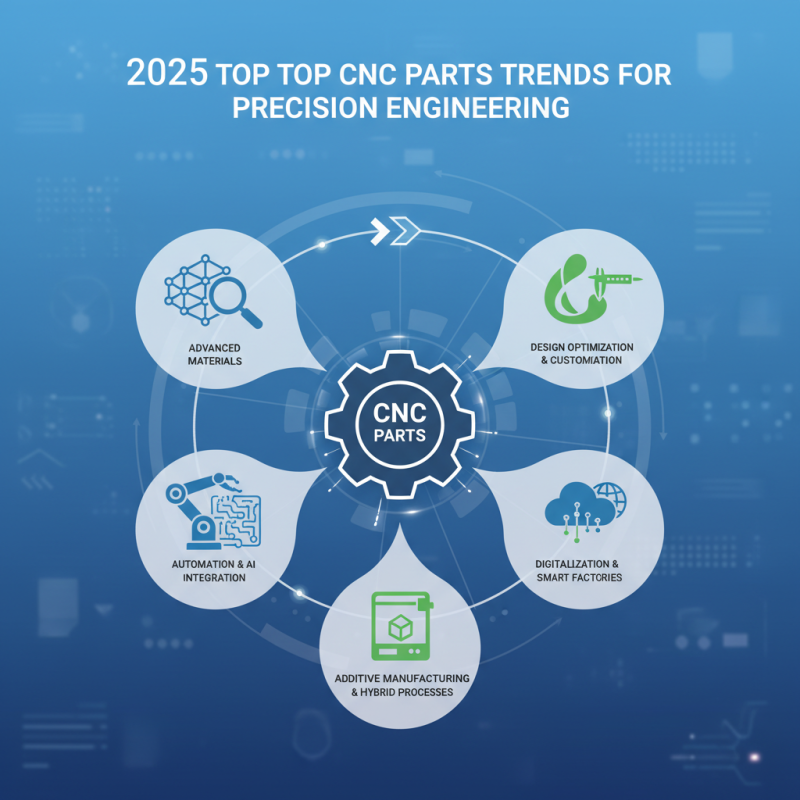
Emerging Materials Shaping CNC Parts in Precision Engineering
The landscape of precision engineering is evolving rapidly, particularly in the realm of CNC (Computer Numerical Control) machining, where emerging materials are poised to significantly impact production capabilities. According to a recent industry report by MarketsandMarkets, the global CNC machine market is expected to reach $107 billion by 2025, driven in large part by advancements in materials that enhance performance and efficiency. Innovative materials like carbon fiber reinforced polymers and advanced metal alloys are increasingly being utilized, offering superior strength-to-weight ratios and improved thermal stability, thus enhancing the precision and longevity of CNC parts.
Furthermore, the adoption of additive manufacturing techniques has enabled the use of previously unfeasible materials, allowing for intricate designs and reducing waste in the production process. A report by Research and Markets highlights that the use of composite materials in CNC applications is projected to grow at a CAGR of over 10% through 2025. These materials not only contribute to lightweight construction but also provide resistance to corrosion and fatigue, which are critical factors in sectors such as aerospace and automotive engineering. As manufacturers continue to explore the boundaries of material science, the synergy between CNC machining and emerging materials will redefine the possibilities within precision engineering, ensuring that production processes are both efficient and capable of meeting the demands of modern technological advancements.
The Role of Automation in CNC Machining Trends for 2025
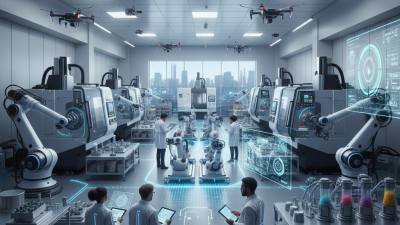
The role of automation in CNC machining is poised to transform the landscape of precision engineering in 2025. As technology advances, the adoption of automated systems in CNC machining is becoming critical to enhance efficiency and accuracy. Automation not only reduces human error but also streamlines processes, allowing manufacturers to achieve higher production rates while maintaining precision. With the integration of advanced robotics and AI-driven systems, manufacturers can optimize their workflows, leading to significant cost savings and increased output quality.
In this evolving landscape, machine learning algorithms will further enhance predictive maintenance capabilities, ensuring that CNC machines operate at peak efficiency. By analyzing data from machine operations, these systems can anticipate malfunctions before they occur, minimizing downtime and maximizing productivity. Additionally, the incorporation of IoT technologies will facilitate real-time monitoring of CNC processes, enabling a seamless flow of information that supports decision-making and process adjustments. As we approach 2025, embracing automation will be essential for companies aiming to remain competitive in the precision engineering sector.
2025 Top CNC Parts Trends You Need to Know for Precision Engineering
| Trend |
Description |
Impact on Precision Engineering |
Automation Role |
| Additive Manufacturing Integration |
Combining CNC machining with 3D printing techniques for enhanced fabrication capabilities. |
Allows for more complex designs and reduction in waste, improving overall efficiency. |
Automation systems can manage both CNC and additive processes seamlessly. |
| IoT Connectivity |
Incorporating Internet of Things technology to enhance machine-to-machine communication. |
Increases visibility and control over the machining process, leading to improved product quality. |
Automated alerts and adjustments can improve machine performance and reduce downtime. |
| Advanced Materials |
Usage of new alloys and composite materials that require specialized machining processes. |
Forces CNC machining to evolve and adopt new techniques for precision work. |
Automation can optimize the machining parameters for these advanced materials. |
| AI and Machine Learning |
Using AI algorithms to analyze machining processes and optimize operations. |
Enhances decision-making speed and quality, reduces human error. |
Automated systems can adapt machining operations in real-time based on AI insights. |
| Sustainability Practices |
Implementing eco-friendly practices and reducing the carbon footprint of CNC processes. |
Improves company reputation and meets regulatory standards. |
Automated monitoring can track energy usage and waste generation in real-time. |
Sustainability Practices Impacting CNC Parts Manufacturing Trends
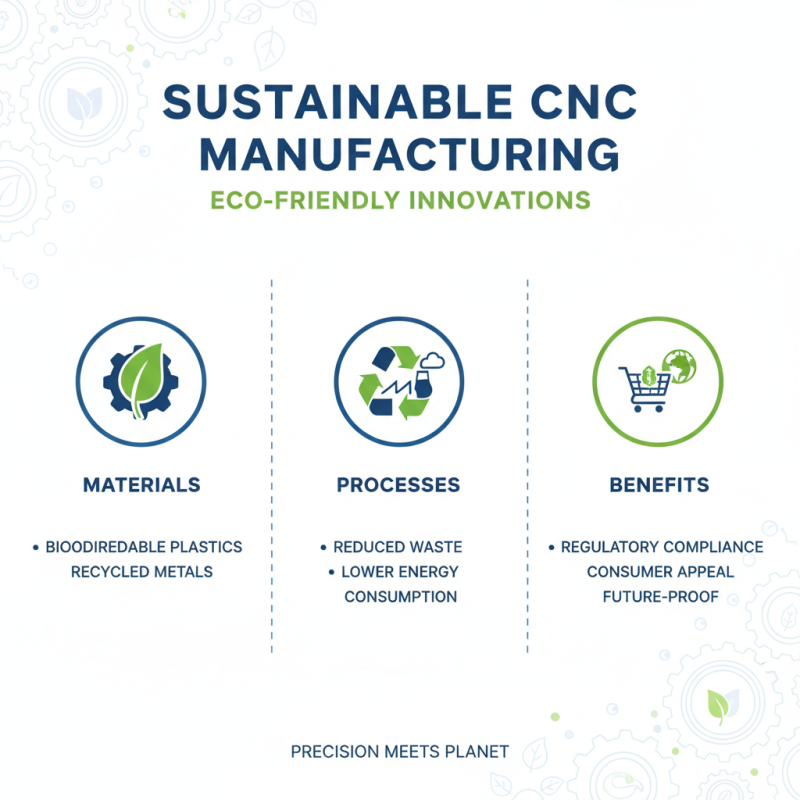
As the demand for precision engineering continues to grow, sustainability practices are increasingly shaping the landscape of CNC parts manufacturing. Companies are adopting eco-friendly materials and processes, significantly reducing waste and energy consumption. Innovations such as the use of biodegradable plastics and recycled metals not only meet regulatory requirements but also resonate well with environmentally conscious consumers. This shift towards sustainable practices is redefining how manufacturers approach CNC machining, making it essential for businesses to integrate these strategies into their operations.
Tips for implementing sustainable practices include conducting a thorough assessment of current manufacturing processes to identify areas for improvement. Consider investing in advanced CNC technologies that optimize material usage and minimize energy consumption. Additionally, collaborating with suppliers who prioritize sustainable practices can enhance your supply chain's overall environmental impact, creating a robust and responsible production ecosystem.
Another important aspect of the trend is the circular economy model, where products are designed for longevity and reuse. Emphasizing product durability not only reduces overall waste but also appeals to a market increasingly focused on sustainability. As more companies adopt these principles, it will become increasingly clear that sustainable practices in CNC parts manufacturing are not merely a trend but a necessary evolution in the industry.
Innovations in CNC Machining Technology for Enhanced Precision
Innovations in CNC machining technology are revolutionizing the landscape of precision engineering, offering enhanced capabilities that meet the increasingly demanding requirements of various industries. Among the most significant trends is the integration of advanced materials and coatings that improve wear resistance and extend tool life. These innovations not only reduce production costs but also enhance the overall precision of the machined parts, allowing engineers to push the boundaries of design and functionality.
Additionally, the incorporation of artificial intelligence and machine learning into CNC machining processes is streamlining operations and increasing efficiency. By analyzing data from previous runs, these technologies can predict potential issues, optimize cutting parameters, and adjust in real-time. This level of automation contributes to higher accuracy and repeatability, minimizing human error and ensuring that every part produced meets stringent quality standards.
As we move forward into 2025, these advancements will become essential for manufacturers looking to maintain a competitive edge in the precision engineering sector.
Market Demands Driving CNC Parts Design Trends in 2025
The landscape of CNC parts design in 2025 is being significantly shaped by evolving market demands that prioritize precision, efficiency, and sustainability. Recent industry reports indicate a surge in automation and smart manufacturing technologies, influencing the CNC machining sector. According to a market research study by [Industry Source], the global CNC machine market is projected to reach $100 billion by 2025, with a compound annual growth rate (CAGR) of over 7%. This growth is largely driven by the increasing need for high-tolerance components across industries like aerospace, automotive, and medical devices, where precision engineering is critical.
Furthermore, sustainability is becoming a core requirement for CNC parts design, as companies strive to reduce waste and minimize their carbon footprints. As highlighted in a survey by [Market Research Firm], 68% of manufacturers are now prioritizing eco-friendly materials and energy-efficient processes in their production lines. This shift not only meets regulatory standards but also caters to the growing consumer demand for environmentally responsible products. Consequently, CNC parts that incorporate sustainable practices, such as using recyclable materials and reducing energy consumption during machining, are gaining traction in the marketplace. This alignment of market demands with technological advancements is steering the CNC industry toward innovative solutions that enhance both performance and environmental stewardship.