2026 Best Laser CNC Machine for Global Buyers?

Choosing the best laser CNC machine in 2026 is less about finding one universal winner and more about matching a machine to real work. A 40-watt desktop unit may suit small engraved labels, while a larger, higher-power system may handle thicker stock or longer production runs. Neither is automatically the better buy. It depends on your materials, required cut quality, workspace, and daily workload.

Global buyers should compare more than advertised laser power. Check the usable work area, motion accuracy, compatible software, extraction needs, enclosure, and access to replacement parts. Ask suppliers for sample results on the exact materials you plan to use. A polished product photo tells you little about edge quality, repeatability, or setup time. Small details matter: a lens that needs frequent cleaning, for example, can slow a busy workshop.

Shipping and after-sales support deserve equal attention. Confirm what is included, how technical help is provided, and whether local electrical requirements can be met. Import rules and safety requirements vary by destination, so verify them with qualified local sources before ordering. Compare the full delivered cost, not just the machine price. There is no tidy winner. Even a detailed specification sheet can leave unanswered questions, and I would check twice before treating a supplier’s claims as proven performance. This guide will compare machine types, key features, and buying considerations to help you shortlist options with clearer expectations.
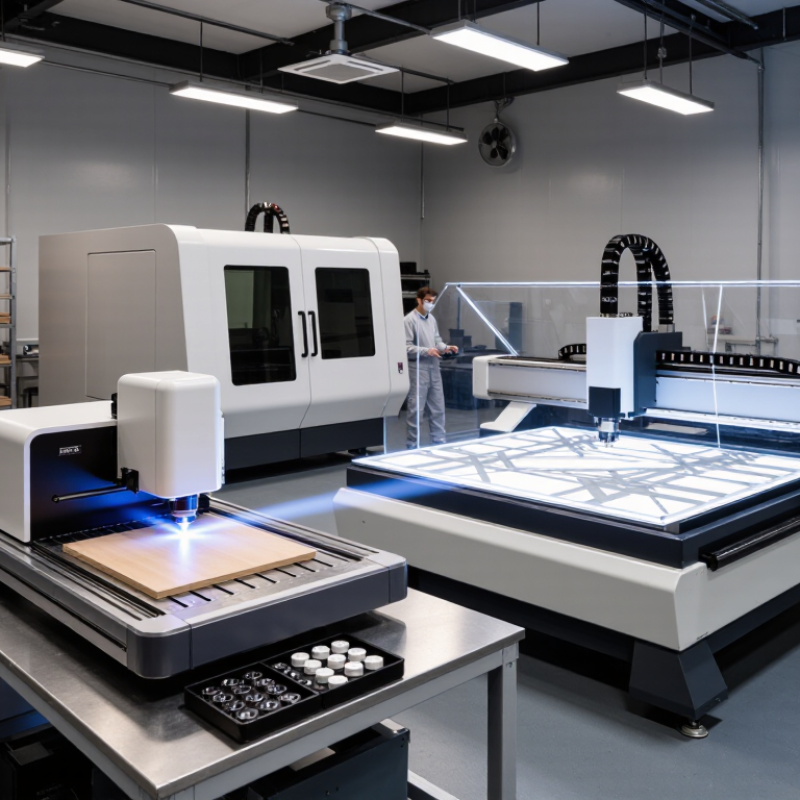
2026 Best Laser CNC Machine for Global Buyers?

How Laser CNC Machines Work: CNC Axes, Beam Sources, and Cutting Control

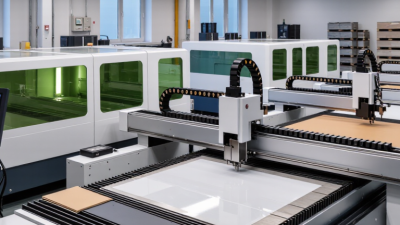
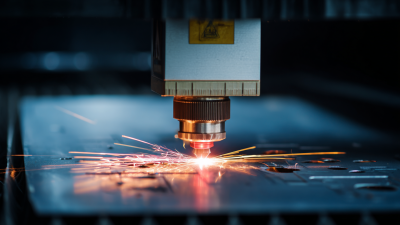
A laser CNC machine combines programmed motion with a focused beam. The X and Y axes move the cutting head across the sheet; the Z axis sets its height and focus. Small errors matter. A slightly warped panel can shift the focal point, widening the cut or leaving rough edges. Good setup includes checking the bed, securing material, and confirming that the motion system follows the toolpath accurately.

Beam choice depends on material and thickness. Fiber sources commonly process metals, while CO2 sources suit many non-metal materials. The controller coordinates travel speed, laser power, focus, and assist gas. According to the International Federation of Robotics’ World Robotics 2024 report, 4.28 million industrial robots were operating worldwide in 2023. That wider automation trend highlights why repeatable motion and stable process settings matter. Still, a clean specification sheet cannot predict every shop-floor surprise; test cuts remain essential.

Tips: Run a small test pattern on the actual material. Inspect the edge, kerf width, and underside before production. Record settings, but treat them as a starting point, not a perfect recipe.

Compare CO₂ (10.6 μm), Fiber (≈1.06 μm), and Diode (≈450 nm) Lasers

2026 Best Laser CNC Machine for Global Buyers?
Compare CO₂ (10.6 μm), Fiber (≈1.06 μm), and Diode (≈450 nm) Lasers

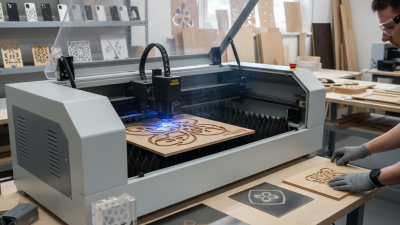
Laser choice starts with wavelength, not headline wattage. CO₂ lasers at 10.6 μm are commonly used for wood, acrylic, paper, and other nonmetals. That absorption matters. Fiber lasers near 1.06 μm are well suited to many metals, including engraving and cutting when power and setup are appropriate. Diode lasers around 450 nm can mark or cut thinner woods and some dark materials, but usually work more slowly. Clear acrylic is often a poor match for blue diode light. Small details count.

For global buyers, compare the materials and thicknesses you actually process. Ask for sample results on your own stock, and check edge quality, speed, and repeatability. Wavelength alone does not predict performance; lens choice, focus, power, air assist, and machine construction also matter. A specification sheet can look impressive. Real tests may tell a different story. Allow for that uncertainty.

Tips: Request a test cut before purchase. Check enclosure, extraction, replacement-part availability, and local electrical compatibility. Keep the work area clear, and follow the machine’s safety instructions.

Match Laser Type and Power to Materials, Thickness, and Production Volume

2026 Best Laser CNC Machine for Global Buyers?

The best machine is not the one with the highest wattage. Match the source to the material: fiber lasers suit metals, including many reflective alloys; CO₂ systems handle wood, acrylic, and other non-metal sheets. Diode units can mark or lightly cut thin stock, but are rarely a substitute for production equipment. A 1 kW fiber laser may suit thin-sheet work; thicker plate or faster shifts can require substantially more power. Confirm cutting charts with your own alloy, assist gas, and finish.

Power is only part of the decision. Check bed size, extraction, chiller capacity, software support, spare-part access, and daily running hours. MarketsandMarkets’ Laser Processing Market report projected growth from USD 20.4 billion in 2023 to USD 30.5 billion by 2028. That points to broader adoption, not one ideal specification. Real material varies. Even sheets sold at the same thickness can cut differently, so trial cuts matter.

Tips: Bring sample material and request a timed test at your target thickness. Compare edge quality, cutting speed, and assist-gas use—not just advertised maximum thickness. For low-volume work, flexibility may beat speed. For repeated batches, downtime and service response can outweigh a small purchase-price saving. There is no perfect chart; recheck settings when stock suppliers change.

Evaluate Positioning Accuracy with ISO 230-2 and Safety Under IEC 60825-1

2026 Best Laser CNC Machine for Global Buyers?

Positioning accuracy should be verified, not inferred from a brochure. ISO 230-2:2014 provides test methods for numerically controlled machine-tool axes, including positioning accuracy and repeatability. Ask for the actual test report, with results for each relevant axis. Check the measurement instrument, test conditions, travel distance, and bidirectional readings. A single “±” figure can hide backlash or inconsistent return positioning. Small differences matter. They can show up as misaligned cuts on a long panel, even when a short test looks clean. Compare machines only when test setups are comparable, and confirm that the report reflects the machine as delivered.

Safety requires a separate review. IEC 60825-1:2014 defines seven laser product classes, from Class 1 through Class 4, based on accessible laser emission and related conditions. A machine’s enclosed exterior may be assessed differently from its internal laser source, so request the documented classification and safety assessment. Inspect door interlocks, viewing windows, warning labels, and procedures for maintenance access. Do not treat a class label as proof that every operating task is risk-free. The standards provide useful benchmarks, but they do not replace careful commissioning or trained operation. I would also question reports that omit test dates or environmental conditions; those details are easy to overlook.

Choose a 2026 Machine by Throughput, Total Cost, Service, and Local Compliance

Choosing a 2026 laser CNC machine starts with the work it must finish each shift, not its advertised maximum speed. Track completed parts per hour, including loading, focusing, cleaning, and changeovers. A fast cutting head can still sit idle while an operator handles material. Test your own materials, thicknesses, and smallest details before comparing specifications. Keep the sample settings and results. Numbers can mislead.

Compare total cost over several years, not just the purchase price. Include extraction equipment, lenses, electricity, routine maintenance, training, and likely downtime. Ask how often consumables need replacement and whether your team can perform basic adjustments. A slightly slower machine may cost less to operate, though that depends on your workload. I would question any estimate that excludes service visits.

Service matters when a fault stops production. Check response hours, spare-part availability, remote support, and technician coverage in your region. Confirm that the machine’s electrical supply, guarding, ventilation, and emissions controls fit local requirements before ordering. Requirements differ by location, so verify them with qualified local advisers. Request written documentation and a practical safety briefing. Small details get missed. One awkward reality: the best specification on paper may not suit your floor, staff, or production schedule.