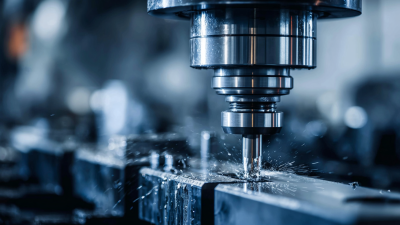
In the competitive field of aluminum machining, techniques are continually evolving. This article explores the best practices for 2026, aimed at global buyers looking to optimize their operations. Aluminum machining involves various processes, including milling, turning, and drilling, each offering unique advantages.
With advancements in technology, the industry faces both opportunities and challenges. Buyers must adapt to innovations while maintaining quality and efficiency. Understanding these trends is essential for making informed decisions. As we dive into the latest aluminum machining techniques, it's important to recognize areas for improvement.
Even with the best methods, inconsistencies can arise. This can affect production quality and increase costs. Thus, reflecting on each approach is crucial for achieving long-term success. By staying informed about reliable aluminum machining practices, buyers can enhance their strategies and drive their businesses forward.
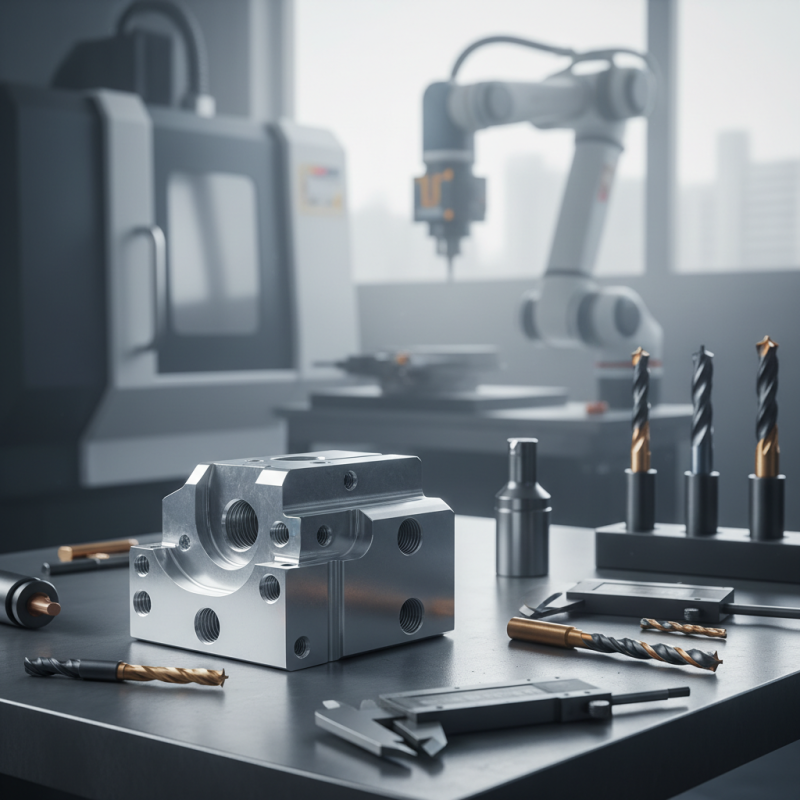
Aluminum machining plays a crucial role in various industries. Its lightweight and durable nature makes it essential for aerospace, automotive, and construction sectors. As global demand for efficient manufacturing increases, understanding aluminum machining becomes vital. Techniques such as CNC milling and turning allow for precise shapes and sizes, meeting strict specifications.
However, challenges exist in aluminum machining. Tool wear and tear can lead to inconsistencies in production quality. Managing cutting speeds and feed rates requires expertise. This demands skilled operators who can adapt to different alloys and conditions. Investing in employee training can enhance precision and reduce waste.
Effective quality control is paramount in the machining process. Regular inspections can identify issues early, preventing major setbacks. This aspect often requires investment but pays off in the long run. Continuous assessment and adjustment keep production aligned with market needs. Awareness of these factors can significantly influence a company's success in the global market.
| Technique | Description | Applications | Advantages | Challenges |
|---|---|---|---|---|
| CNC Milling | Utilizes computer-controlled machines to shape aluminum. | Aerospace, automotive, and electronics. | High precision and repeatability. | High initial setup cost. |
| Die Casting | Injects molten aluminum into a mold to create complex shapes. | Consumer products, automotive parts. | High volume production efficiency. | Limited to non-ferrous materials. |
| Laser Cutting | Uses laser beams to cut aluminum sheets with precision. | Signage, intricate designs, and prototypes. | Minimal distortion and high accuracy. | Higher operational costs due to machinery. |
| Anodizing | Electrochemically oxidizes aluminum to enhance durability. | Architectural components, consumer goods. | Improves corrosion resistance and color options. | Surface finish may vary with conditions. |
| Machining Centers | Combines multiple machining processes in one setup. | Complex assembly parts across various industries. | Highly efficient and versatile. | Requires skilled operators and maintenance. |

Aluminum machining is evolving rapidly. In 2026, efficient techniques are crucial for manufacturers. The global aluminum market is projected to reach $130 billion by 2026, according to recent industry reports. This growth increases the need for improved machining practices.
A significant technique gaining traction is high-speed machining (HSM). HSM enhances productivity while reducing cycle times. Reports indicate that HSM can lead to a 30% increase in efficiency. However, it can also present challenges. Tool wear is a notable issue. Without proper monitoring, manufacturers risk increased costs and delays.
Another key technique is dry machining. This method eliminates cutting fluids, enhancing safety and environmental compliance. The use of dry machining can reduce waste by up to 25%. Yet, it requires advanced tooling materials. The initial investment can be high, which poses a barrier for smaller operations. Continuous evaluation is essential for long-term success. Adopting these innovative methods can optimize production while navigating inherent risks.
When comparing CNC machining to traditional methods for aluminum, distinct differences emerge. CNC machining leverages computer technology for precision. This method ensures high consistency and repeatability in production. Each cut is controlled with great accuracy, reducing the margin for error significantly. The automated nature of CNC allows for complex designs that would be difficult to achieve manually.
Traditional machining relies heavily on skilled labor. This method often demands significant manual intervention and expertise, leading to variability in quality. While traditional techniques can excel in creating specific parts, they may require more time and effort. Imperfections arise more easily due to human error. Different operators may achieve varying outcomes, which can affect project timelines.
CNC machining is faster in many cases, but not without drawbacks. Initial setup costs can be higher, and there is a learning curve for operators. Over-reliance on technology might disconnect craftsmen from the art of machining. Understanding the benefits and challenges of both methods is essential for decision-making. Craftsmanship in traditional machining still holds value, especially for custom, intricate projects. Balancing modern techniques with traditional skills may yield the best results.
The aluminum machining industry is undergoing significant transformations. Future trends reveal a shift towards automation and advanced technology. Machine learning is starting to play a critical role. It can predict maintenance needs and optimize machining processes effectively.
Innovations like additive manufacturing are gaining traction. This technique allows for intricate designs that were previously impossible. Furthermore, the integration of IoT in machining equipment enhances monitoring. Real-time data collection leads to improved decision-making. However, many manufacturers are still hesitant to adopt these technologies.
Sustainability is another growing concern. It’s essential to recycle aluminum effectively during machining processes. Yet, the industry struggles with implementing comprehensive recycling methods. These challenges need addressing to fully embrace future trends. The path ahead involves careful planning and investment in technology and awareness.
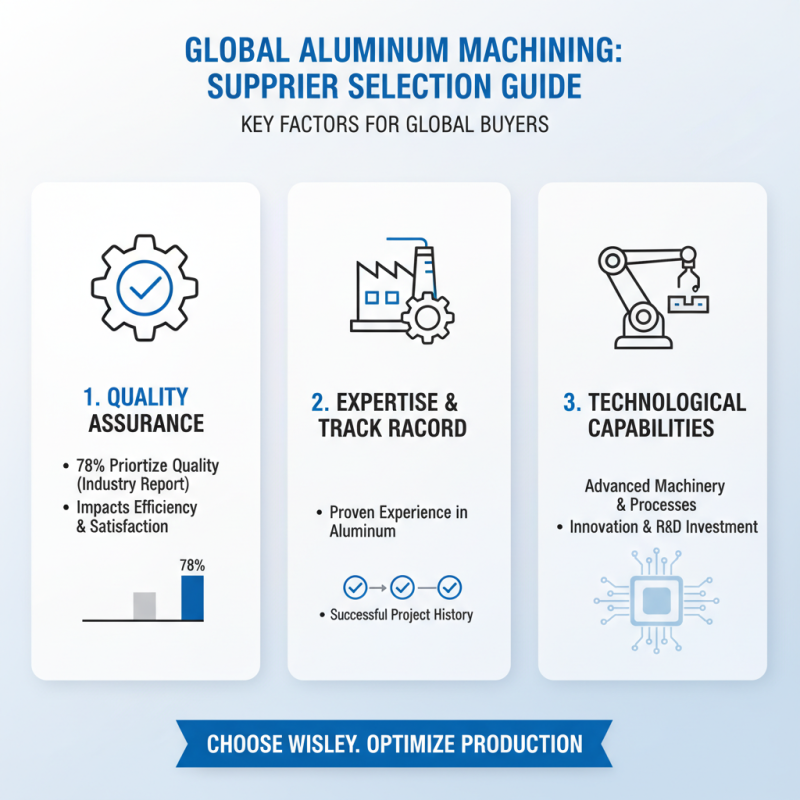
Choosing the right suppliers for aluminum machining is crucial for global buyers. According to recent industry reports, approximately 78% of manufacturers emphasize quality when selecting partners. Quality impacts production efficiency and end-user satisfaction. Buyers should evaluate suppliers based on their expertise and technological capabilities in aluminum machining.
It’s essential to consider the geographical location of suppliers. Proximity can lead to reduced shipping costs and shorter lead times. However, some may overlook the benefits of local sourcing. Global buyers often focus solely on price, potentially sacrificing quality. Reports indicate that 65% of failures in supply chains arise from poor supplier choices.
Furthermore, reliability is a key factor in supplier selection. Data shows that around 54% of companies experience delays due to vendor issues. Reliable suppliers have robust processes and demonstrate a commitment to continuous improvement. It's vital for buyers to engage in regular communication and assess the supplier's production capabilities. Transparent practices build trust and mitigate risks. Ultimately, a well-informed buyer can make a significant difference in achieving optimal machining results.