Best CNC Machining Parts for Global Buyers in 2026?
As we approach 2026, the global demand for CNC machining parts continues to rise. According to a recent market report by Grand View Research, the CNC machining market is projected to grow at a compound annual growth rate (CAGR) of 6.6% through 2028. This growth is driven by the increasing need for precision and efficiency across various industries. Manufacturers are seeking more reliable CNC solutions to enhance their productivity.
CNC machining parts play a crucial role in sectors like aerospace, automotive, and healthcare. The need for high-quality components that meet stringent regulatory standards is a significant driver of this market. However, many manufacturers still face challenges in balancing cost and quality. A report from MarketsandMarkets highlights that 67% of companies express concerns about sourcing the right suppliers for precision parts. This indicates a gap that needs addressing for global buyers.
In a competitive landscape, understanding material properties and machining techniques is vital. Many businesses struggle with adapting to technological advancements. As CNC technologies evolve, the focus on automation and smart manufacturing rises. Global buyers in 2026 will need to carefully evaluate their options. Ensuring a reliable supply chain for CNC machining parts is not just important; it’s essential for sustainable growth.
Best CNC Machining Materials for Global Markets in 2026
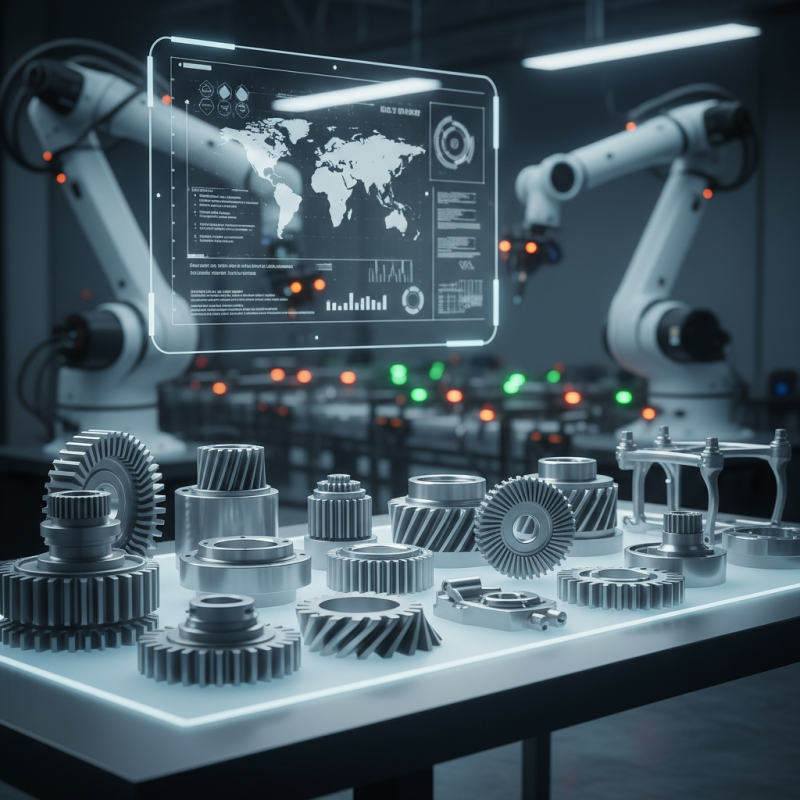
The choice of materials is crucial for CNC machining parts in 2026. Industry reports indicate that demand for high-performance materials will continue to rise. Aluminum alloys remain a popular option due to their lightweight and corrosion resistance. They serve various applications, especially in the aerospace and automotive fields.
Steel, particularly stainless steel, is valued for its strength and durability. Reports show that the use of high-strength steel will increase by 15% by 2026. Plastics are also gaining attention. Advanced polymers offer flexibility and are cost-effective. They are becoming preferred materials for prototypes and lightweight applications.
Tips: Always consider the application requirements. Assess factors like strength, weight, and environmental conditions before selecting materials. Regularly reviewing new material technologies is beneficial. The approach to material selection should include understanding trade-offs. Embrace both innovation and skepticism. This ensures a balanced decision-making process, leading to enhanced performance in the long run.
Best CNC Machining Parts and Materials for Global Buyers in 2026
Trends Shaping CNC Machining Parts Demand in the Coming Years
The landscape of CNC machining is evolving rapidly. In 2026, demand for precision-engineered parts is expected to rise. This growth is fueled by advancements in technology and an increasing emphasis on sustainability. Buyers around the globe want efficient solutions. They seek not just functionality but also eco-friendly materials.
One noticeable trend is customizability. Companies are now offering tailored solutions that meet specific client needs. This shift enhances competitiveness and attracts diverse markets. Moreover, automation is gaining traction. Enhanced robotics in machining reduces error rates and speeds up production. However, reliance on automation can create a chilling effect. Skills gaps may emerge as machines take over traditional roles.
Materials technology is also changing. Innovative composites and lighter alloys will reshape product designs. Yet, sourcing these materials presents challenges. Suppliers must ensure quality while maintaining eco-friendly practices. As demand grows, balancing quality and production speed will be imperative. Companies need to reflect on their sourcing and production processes to stay relevant.
Best CNC Machining Parts for Global Buyers in 2026 - Trends Shaping CNC Machining Parts Demand
| Part Type |
Material |
Application Sector |
Projected Growth (%) |
Key Trend |
| Precision Machined Components |
Aluminum |
Aerospace |
8% |
Lightweighting |
| Custom Gears |
Steel |
Automotive |
10% |
Electric Vehicles |
| CNC Turned Parts |
Brass |
Electronics |
12% |
Miniaturization |
| 3D Printed Parts |
Plastic Composites |
Medical |
15% |
Customization |
| Machined Fasteners |
Titanium |
Construction |
9% |
Sustainability |
Key Industries Driving CNC Machining Growth Globally
The CNC machining industry is set to experience significant growth in 2026, driven by several key sectors. The automotive sector stands out as a primary catalyst. Manufacturers are focusing on precision components to enhance vehicle performance and safety. High-quality CNC machined parts are vital for engine components, transmission systems, and chassis. This attention to detail reduces failure rates and boosts overall efficiency.
A second important sector is healthcare. The demand for specialized medical equipment is rising. Surgical instruments, prosthetics, and dental devices require precision that only CNC machining can provide. Manufacturers must constantly innovate to meet stringent regulatory standards. The ability to produce custom parts quickly and accurately is essential in this field.
Another sector to watch is aerospace. This industry demands lightweight and durable components. CNC machining allows for the creation of complex geometries that traditional methods cannot achieve. However, challenges such as high costs and material waste need consideration. Companies must navigate these complexities to stay competitive and sustainable in the global market.
Innovative Technologies Enhancing CNC Machining Efficiency
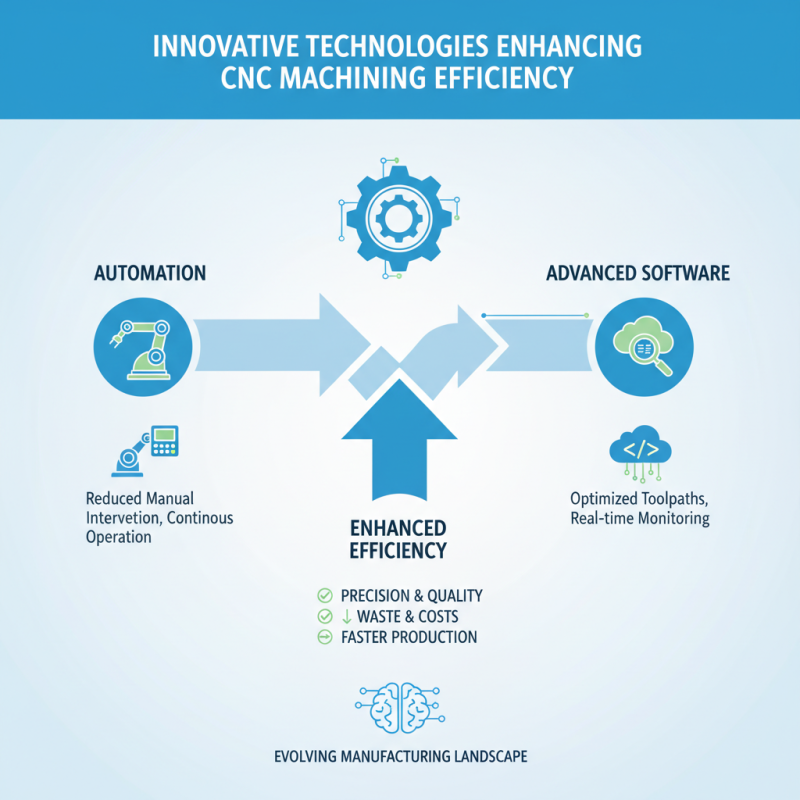
CNC machining is evolving rapidly. Innovative technologies are reshaping the landscape of manufacturing. Automation and advanced software are key players. They enhance precision and reduce waste. These improvements boost product quality and accelerate production timelines.
Machine learning algorithms optimize machining processes. They analyze data in real time, predicting equipment failures before they occur. This proactive approach minimizes downtime. However, integrating these technologies can be daunting.
Tips: Embrace incremental changes. Start with pilot projects to test new technologies. This approach lowers risk while gathering valuable insights. Seek feedback from operators about usability. Their firsthand experience is invaluable.
Additive manufacturing techniques complement CNC processes. These techniques enable complex geometries that traditional methods struggle to create. Yet, designers must address material limitations. Finding the right balance between innovation and practicality is essential.
In conclusion, as the CNC landscape shifts, staying informed is crucial. Continuous learning and adaptation will drive future success in this field.
Sustainability Practices in CNC Machining for Future Buyers
Sustainability is a critical concern for the CNC machining industry in 2026. Many manufacturers are advancing their practices to reduce waste and energy consumption. The shift towards eco-friendly materials is gaining momentum. For instance, companies are exploring recyclable options, such as bioplastics and composites. These choices not only lower the environmental impact but also meet consumer demands for sustainability.
Water conservation is also essential. CNC machining often uses substantial amounts of water in cooling processes. Implementing closed-loop systems can minimize water usage. Moreover, recycling cutting fluids can significantly reduce waste. Companies must strive to balance efficiency with ecological responsibility.
Transparency is key for future buyers. Buyers want to know how parts are made. They value companies that share their processes and sustainability efforts. Clear communication builds trust and showcases commitment. However, many companies still struggle to document and present their sustainability practices effectively. This is a critical area for improvement in a competitive market. Sustainability is not just a trend; it's becoming a necessity for survival.