Best Laser Metal Cutting Machines for Precision and Efficiency?
In the rapidly evolving landscape of manufacturing, the need for precision and efficiency has never been greater. The laser metal cutting machine has emerged as a pivotal tool in this arena. According to a recent report by Research and Markets, the global laser cutting machine market is expected to reach $4.5 billion by 2026, driven by innovation and demand for high-quality manufacturing.
Industry expert Dr. John Seabrook notes, "The sophistication of laser cutting technology enables unparalleled precision in metal processing." This underlines a critical trend: as industries embrace automation, the need for laser metal cutting machines will only increase. For instance, the automotive sector relies heavily on these machines for intricate component production. Companies are witnessing a marked decrease in material waste—up to 20%—thanks to the accuracy of laser technology.
However, challenges remain. High initial costs and the need for skilled operators can hinder smaller businesses from adopting this technology. Reflecting on these points is essential for future advancement. The focus must not only be on investing in state-of-the-art machines but also on training personnel to harness their full potential.
Types of Laser Cutting Technologies in Metal Fabrication
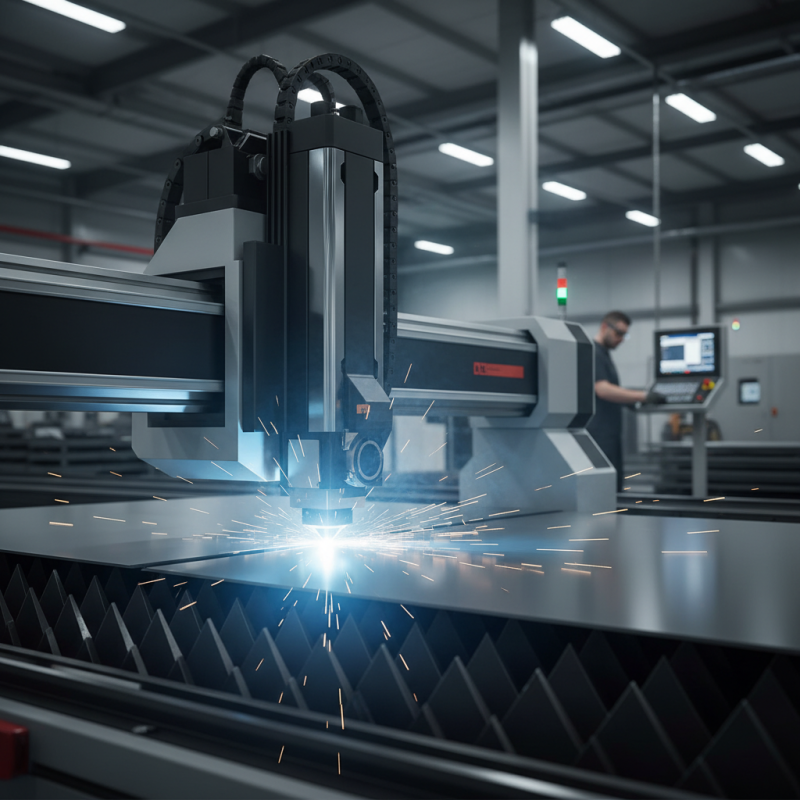
Laser cutting technology has transformed metal fabrication. Various types of laser cutting techniques cater to diverse industrial needs. Each method boasts unique strengths and weaknesses, making the selection process crucial for achieving precision and efficiency.
CO2 lasers are widely known for their versatility. They work well on materials like steel and stainless steel. However, they can struggle with reflective metals, which may require additional considerations. Fiber lasers are gaining popularity. They excel in cutting thin sheets at high speeds, making them ideal for precision tasks. Yet, they may require a larger investment upfront.
Tips for choosing the right laser cutting technology include assessing material types and thickness. It’s essential to evaluate the technical requirements of your projects. Don’t overlook maintenance needs; regular upkeep ensures longevity. Consider the skill level of your operators too. Complex systems may require specialized training. Finding a balance between cost and performance is key. Always reflect on past projects to identify areas for improvement.
Best Laser Metal Cutting Machines for Precision and Efficiency
| Machine Type |
Laser Technology |
Max Cutting Thickness (mm) |
Cutting Speed (m/min) |
Precision (mm) |
Applications |
| Fiber Laser Cutter |
Fiber Laser |
25 |
30 |
0.01 |
Sheet metal fabrication, automotive parts |
| CO2 Laser Cutter |
CO2 Laser |
20 |
25 |
0.05 |
Wood, acrylic, metals (limited) |
| Nd:YAG Laser Cutter |
Nd:YAG Laser |
15 |
15 |
0.03 |
Thin metal cutting, engraving |
| Ultra-High Power Fiber Laser |
Fiber Laser |
50 |
40 |
0.005 |
Heavy industrial applications, thick plate cutting |
Key Features of High-Precision Laser Metal Cutting Machines
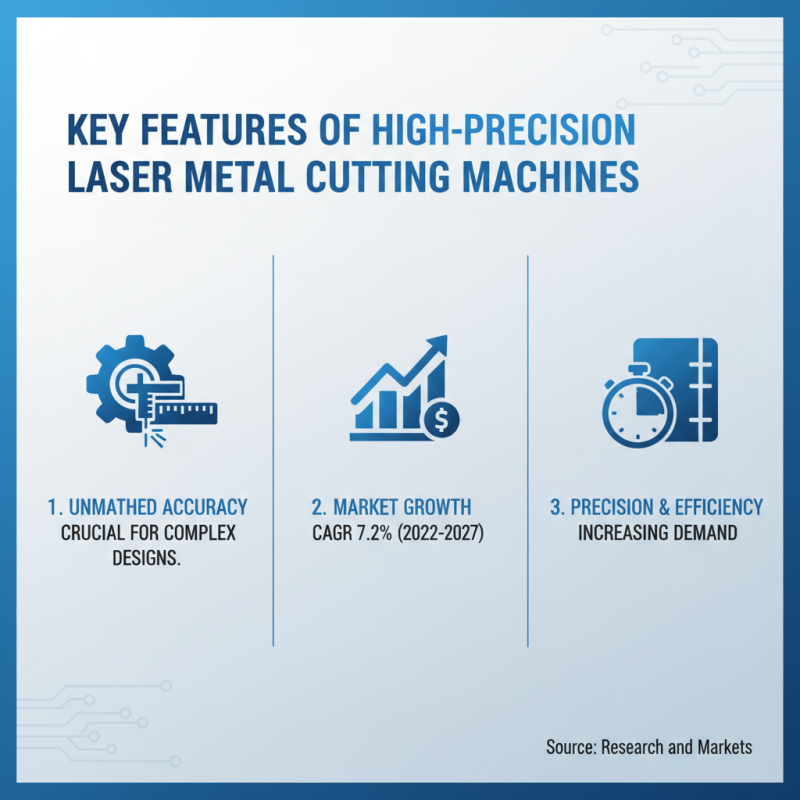
High-precision laser metal cutting machines are transforming modern manufacturing. These machines offer unmatched accuracy, which is crucial for complex designs. A study by Research and Markets shows that the global laser cutting machine market is projected to grow at a CAGR of 7.2% from 2022 to 2027. This growth underscores the increasing demand for systems that deliver both precision and efficiency.
Key features dominate high-performance laser cutting machines. One significant aspect is the use of fiber lasers, known for their efficiency and low operational costs. Fiber lasers can cut through thick materials with minimal heat affected zones. This leads to cleaner cuts and reduces post-processing time. Additionally, advanced motion control systems enhance cutting speed and accuracy, allowing for intricate designs with smooth edges. Industry reports indicate that machines delivering these features can deliver a material yield improvement of up to 30%.
Another consideration is maintenance, often overlooked in evaluations. Machines require regular calibration to maintain their precision. Dust and debris can significantly impact performance, leading to costly downtimes. While automated systems address some of these concerns, operators must remain vigilant. Proper training and upkeep are essential for long-term reliability and efficiency. Balancing technology with human oversight is key to maximizing the potential of laser cutting machines.
Factors Affecting the Efficiency of Laser Metal Cutting Processes
The efficiency of laser metal cutting processes hinges on several key factors. One significant aspect is the laser power. Higher wattage allows for faster cutting speeds, reducing overall processing time. However, excessive power can lead to thermal distortion. It's crucial to find the right balance.
Material thickness greatly influences efficiency. Thicker materials require more power and time to cut. According to industry data, cutting speeds can drop by 50% when moving from 1mm to 5mm steel. Understanding material properties can guide the setting of optimal parameters for specific applications.
Tips: Always test cut settings on scrap material. Adjust your focus lens based on the thickness and type of metal. Proper maintenance of the laser system significantly impacts cutting quality and precision. Regular checks on the optics and mechanics can prevent issues that might affect efficacy. Remember, even small changes in air pressure can alter cut quality, making fine-tuning essential for better results.
Top Brands and Models of Laser Cutters for Industrial Use
When considering laser metal cutting machines, precision and efficiency are key factors. The demand for these machines has surged, particularly in industrial settings. According to a recent industry report, the global laser cutting market is expected to reach $5.5 billion by 2025, driven by advancements in technology and increased application in various sectors.
Top brands in the laser cutting industry offer a range of models suited for heavy-duty tasks. These machines are designed to deliver high precision, often with tolerances as tight as ±0.01 mm. Some models utilize fiber laser technology, known for its energy efficiency and speed. The industry is seeing a shift toward automation, with machines increasingly featuring smart technology for real-time monitoring and feedback.
**Tip:** When selecting a laser cutter, consider its adaptability to different materials. Versatile machines can cut through metals like steel, aluminum, and brass. This flexibility can optimize your production processes.
However, the initial investment in high-quality laser metal cutting machines can be substantial. It's crucial to evaluate the total cost of ownership, including maintenance and operational costs. Often, lower upfront costs can lead to higher expenses over time.
**Tip:** Regular maintenance is essential to ensure optimal performance. Schedule routine check-ups to prevent unexpected downtimes. Listening to operators’ feedback can reveal hidden issues that may need attention.
Choosing the right model requires careful consideration of your specific needs and production goals. Each machine has strengths, but not all may be suitable for your operations. Take the time to assess your requirements carefully.
Future Trends in Laser Metal Cutting Technology and Innovations
The future of laser metal cutting technology is rapidly evolving. Industry reports suggest that the market for laser cutting machines is expected to grow by 6.5% annually, reaching over $4 billion by 2026. Innovations in beam quality and power efficiency are key drivers of this progress. New laser sources, such as fiber and solid-state lasers, provide improved precision. These advancements allow manufacturers to cut intricate designs with minimal material waste.
Automation is another significant trend shaping the future of laser cutting. Integration of AI and machine learning is enhancing operational efficiency. Systems can now predict maintenance needs, reducing downtime. According to recent data, automated systems can increase production speed by up to 30%. However, the reliance on technology raises concerns about job displacement in skilled labor sectors.
Sustainability is becoming a priority as well. Companies are exploring eco-friendly cutting processes that minimize energy consumption. Reports indicate that eco-conscious consumers are influencing industry practices. While these innovations promise efficiency, businesses must address the environmental impact of production. Balancing technological advancement with responsible practices is an ongoing challenge in the field.