What Is the Best Metal Brake for Buyers in 2026?

Choosing the best metal brake in 2026 depends on the work, the material, and the space available. A compact bench model may suit occasional bends on thin sheet, while a larger box-and-pan brake can handle wider panels and varied flange shapes. Capacity claims need a close look. Check the specified material type, thickness, and working width—not just the maximum number printed on a product page. Those details matter when a short sample bends cleanly but a full-length panel flexes or slips.

This guide compares manual and powered options, focusing on bend consistency, setup effort, adjustment range, and long-term service needs. It also considers practical features, such as finger clearance, clamping pressure, and whether replacement parts are easy to source. Small details count. A sturdy handle is useful, but it cannot compensate for a frame that twists under load. There is no universal winner, and a higher price does not guarantee a better fit. The right choice should match real jobs, not an imagined perfect workshop. I would treat any ranking as a starting point, then verify specifications with the manufacturer and compare them with the materials you actually plan to bend. One overlooked constraint can change the answer.
What Is the Best Metal Brake for Buyers in 2026?

What a Metal Brake Does and How It Forms Sheet Metal

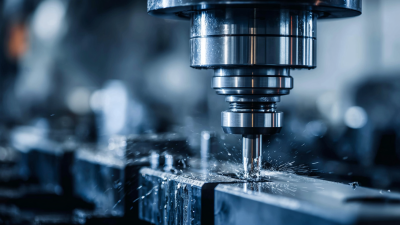
A metal brake forms sheet by holding it against a straight reference and applying force along a chosen bend line. In a press brake, a punch pushes the sheet into a die; in a leaf brake, a hinged beam lifts the clamped edge. The setup determines the bend, not just the machine. A clean, square edge against the back gauge helps keep parts consistent.

During air bending, the punch does not force the sheet fully into the die. The material bends between the die shoulders, then springs back slightly when pressure is released. That small rebound matters. Operators often test a sample and adjust the punch depth or bend angle. Material thickness, strength, grain direction, tooling, and bend length all affect the result. A rule of thumb can help, but it is not a substitute for a test bend.

The World Steel Association’s World Steel in Figures 2024 reports 1,892.2 million tonnes of crude steel production worldwide in 2023. That figure shows steel’s scale, though it does not measure sheet-brake use. For buyers, the practical question is whether a brake can handle the intended material, thickness, and part length repeatedly. Watch how the sheet sits against the fingers and clamps. A slight setup error can leave a visible twist. Sometimes the machine is not the problem; the setup is.

What Is the Best Metal Brake for Buyers in 2026? - What a Metal Brake Does and How It Forms Sheet Metal

Topic How It Works Practical Facts Buyer Consideration
What a metal brake does A metal brake clamps sheet metal and bends the exposed section around a straight edge or forming tool. It forms straight bends such as flanges, channels, hems, and box-shaped panels. It does not cut sheet metal. Choose a brake based on the parts you need to form, their dimensions, and the required bend consistency.
Manual leaf brake A clamping bar holds the sheet while a hinged bending leaf rotates to form the bend. Operation is hand-powered, so the operator supplies the bending force. The design is suited to straightforward bends and shop or field work. Consider it for lower-volume work, portability, and simple parts; verify the rated material capacity and working width.
Box-and-pan brake Removable fingers on the clamping beam create clearance for bending sides and flanges on box-like parts. Finger layout affects the sizes and shapes of boxes that can be formed. Setup may require rearranging fingers between jobs. Useful for trays, enclosures, and pans. Check finger height, spacing, and the largest part dimensions you expect to make.
Press brake A punch moves toward a die to form the sheet. The machine may be mechanical, hydraulic, or electric. Tooling and machine settings determine the bend method, angle, and repeatability. CNC controls can automate backgauging and bend sequences. Consider it for production volume, thicker or longer work, repeatable multi-bend parts, and available operator training.
Air bending The punch presses the sheet into a V-shaped die without forcing it fully against the bottom of the die. The final angle depends on punch travel, tooling, material properties, and springback. One tool setup can form a range of angles within its limits. Ask for the machine’s rated capacity for the material and tooling being used; tonnage needs rise with material strength and bend length.
Bottoming and coining In bottoming, the sheet is pressed more closely into the die profile. Coining applies higher pressure to imprint the bend area. These methods use different tooling and force requirements from air bending; results depend on the machine, material, and setup. Confirm that the brake and tooling are designed for the intended process before selecting a machine based on nominal capacity alone.
Material and thickness The machine deforms the sheet locally along the bend line. Capacity is not a single universal thickness: it varies with material type and strength, bend length, die opening, and tooling condition. Compare published capacity charts for the exact material and bend length in your work, rather than relying on a general thickness claim.
Bend allowance and springback Bend allowance accounts for material consumed through the bend; springback is the material’s tendency to partially return after forming. Flat-pattern dimensions depend on bend angle, inside radius, material thickness, and material behavior. Test bends help establish accurate settings. For close-tolerance parts, check whether your workflow includes bend calculations, a test piece, and angle measurement.
Working width and depth Working width limits the length of a bend; throat or depth clearance affects how the sheet can be positioned. A machine may have sufficient force but still be unsuitable if the part does not fit or cannot be handled through the bend sequence. Measure both the longest bend and the overall part geometry, including clearance needed for return flanges and box sides.
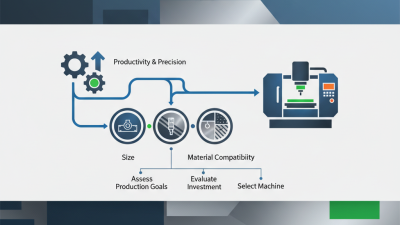
Best-fit selection Match the brake type and tooling to the materials, part shapes, production rate, and accuracy requirements. Manual brakes prioritize simplicity; box-and-pan brakes provide finger adjustment; press brakes support powered, tool-based forming. Before buying, compare rated capacity, usable width, tooling availability, setup time, guarding, service, and operator requirements.

Note: Machine capacity and achievable bend accuracy vary by model, material, tooling, and setup. Consult the manufacturer’s capacity charts and safety instructions for the specific brake being considered.

The Main Types of Metal Brakes Buyers Can Choose From in 2026

Metal brakes serve different bending jobs, so the best choice depends on material, part size, and production volume. A manual leaf brake uses a hinged clamping bar and bending leaf. It suits occasional work with thin sheet metal, such as short flashing or simple panels. A box-and-pan brake adds removable fingers, which create clearance for folded edges and shallow boxes. That matters.

For repeated or complex bends, a press brake drives a punch into a die. It can handle thicker stock and precise angles, but setup and tooling require care. A folding brake holds the sheet while a folding beam turns its edge. It is useful for long panels and consistent hems. Capacity varies widely, so compare maximum thickness with the metal type, bend length, and intended radius. A machine that looks robust may still lack the throat depth your parts need.

Tips: Check the brake using a sample piece of your actual material. Measure the angle at both ends; uneven bends can reveal setup or alignment issues. Leave room for future work, but avoid paying for capacity you will rarely use. I would not choose by maximum thickness alone. Real jobs can be messier.

Key Factors for Comparing Metal Brake Capacity and Features

What Is the Best Metal Brake for Buyers in 2026?

Key Factors for Comparing Metal Brake Capacity and Features

When comparing metal brakes in 2026, match rated capacity to the material you actually form. Check the working length and the gauge rating for mild steel. Ratings may differ for stainless steel and aluminum. A 48-inch brake built for thin sheet may struggle with heavier stock across its full width. Ask for a capacity chart, not just a “heavy-duty” claim. Measure your longest bend and thickest material, including occasional jobs.

Look closely at the clamping system, beam adjustment, and finger layout. Segmented fingers help form boxes and pans; a solid beam may suit long, straight bends. Check whether adjustments are easy to reach and repeat. A brake that handles one sample smoothly may behave differently near its rated capacity. I would not judge accuracy from one bend alone. Test several widths and check angles with a square or digital gauge. It takes extra time.

Tips: Check frame flex, replacement-part availability, and how the brake mounts to a bench. Bring a sample offcut if possible. Measure floor space and operator clearance, too. A compact brake saves room, but tight access can make setup frustrating. This is easy to underestimate.

How to Match a Metal Brake to Your Materials and Projects

Choosing a metal brake starts with the material, not the machine’s advertised size. A brake rated for a certain thickness of mild steel may not handle the same thickness of stainless steel comfortably. Check the capacity for your specific material and full working width. Leave some margin; working at the limit can lead to inconsistent bends and extra strain.

Think about the parts you actually make. A long brake suits wide panels, while a compact model may be easier to position for short brackets or repairs. For aluminum, check the tooling and bend radius to reduce cracking. Thicker stock usually needs more capacity and may require a larger minimum flange. Details matter.

Then consider repeatability. If you make matching parts, look for a reliable clamping setup and a back gauge that is easy to adjust. For occasional projects, simpler controls may be enough. Test a scrap piece first. It reveals springback and alignment issues before they reach your finished panel. Ratings can be easy to misread, and I would not choose by maximum capacity alone. The right brake is the one that fits your material, part dimensions, and typical workload.

What Is the Best Metal Brake for Buyers in 2026?

Match the brake to your materials and projects. Material density is shown for context; it does not determine a brake’s bending capacity by itself.

How to use this chart: Aluminum is much lighter than steel or copper, but brake selection depends chiefly on material type and strength, sheet thickness, bend length, and tooling. Check the machine’s rated capacity for your specific material before buying.

Which Metal Brake Best Fits Different Buyer Needs in 2026

The best metal brake in 2026 depends on the work it must handle, not a single ranking. A mobile repairer may value a light, portable straight brake that fits in a service vehicle. A small fabrication shop may need a box-and-pan brake, with removable fingers for bends around trays and enclosures. For long, repeated bends, a floor-mounted model can offer steadier clamping and less operator fatigue.

Match capacity to the material you actually form. Check the stated limits for thickness, bend length, and material type; a machine rated for mild steel may not handle the same thickness in stainless steel. Leave some capacity in reserve. That matters. Also inspect the clamping beam and finger setup: uneven pressure or awkward spacing can leave marks, distort narrow flanges, or slow a job. A test bend using your own stock reveals more than a polished product photo.

Production buyers should prioritize repeatability, adjustment access, and support for routine maintenance. Occasional users may get better value from a simpler manual brake than from features they rarely use. Compare the machine’s footprint with your work area, too. A compact brake sounds ideal until a wide sheet has nowhere to rest. Even careful planning misses something; measure your longest common parts before choosing. Not glamorous, but useful.