What is the Best Metal Brake for Your Project?
When it comes to metalworking, choosing the right tools is key. A metal brake stands out as a vital tool for many projects. This device allows users to bend and shape metal sheets with precision. The right metal brake can make all the difference in achieving your desired results.
Different types of metal brakes exist, each designed for specific tasks. For instance, some are perfect for light-duty work, while others suit heavy metal fabrication. We often underestimate the importance of selecting the right one. Improper choices can lead to wasted materials and frustration. It's essential to reflect on what you truly need for your project.
Consider your skills, the materials you’ll use, and the complexity of your designs. Not everyone requires a high-end model. Sometimes, a basic metal brake will suffice for simpler tasks. Ultimately, take the time to explore your options. Each choice impacts your project’s outcome significantly. A thoughtful selection will enhance your metalworking experience.
Understanding Metal Brakes: Types and Their Applications
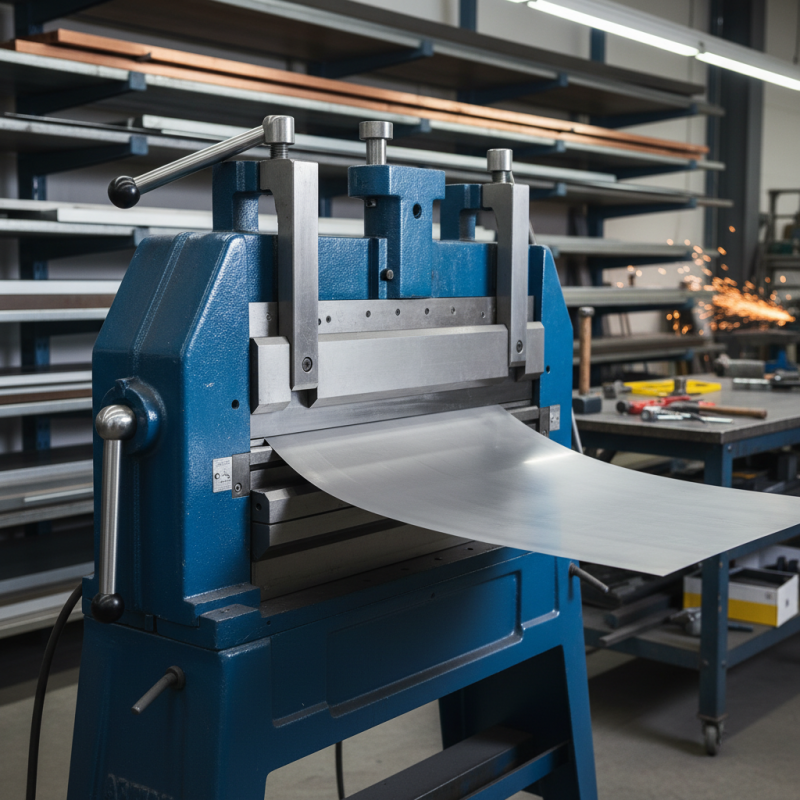
Understanding the types of metal brakes is crucial for any metalworking project. There are mainly three types: bending brakes, box and pan brakes, and rotary brakes. Each type serves specific functions, adjusting to varying demands in the industry. According to industry reports, bending brakes are widely used for simple bends and sheet metal work.
Box and pan brakes offer more flexibility. They allow users to create complex shapes with multiple bends. This adaptability is essential in custom fabrication, where precision matters. Metalworking professionals often report that the efficiency and accuracy of these brakes can impact project timelines significantly.
Rotary brakes are less common but are effective for creating circular shapes. They provide unique capabilities for specialized tasks. However, they can be difficult to master. Users must invest time to learn their proper use. Research indicates that skilled operators can achieve up to 30% faster production rates with the right techniques. This statistic highlights the need for expertise when using diverse types of metal brakes.
What is the Best Metal Brake for Your Project?
| Type of Metal Brake |
Application |
Material Compatibility |
Max Thickness |
Typical Use |
| Box Brake |
Bending Sheet Metal |
Aluminum, Steel |
16 gauge |
Creating boxes and enclosures |
| Pan Brake |
Precision Bending |
Steel, Brass |
14 gauge |
Custom parts and frames |
| CNC Brake |
Complex Shapes |
Aluminum, Mild Steel |
10 gauge |
Production runs and prototypes |
| Hydraulic Brake |
Heavy-Duty Bending |
Stainless Steel, Aluminum |
3/8 inch |
Large scale projects |
| Manual Brake |
Small Bending Tasks |
Light Gauge Steel, Copper |
22 gauge |
Home and DIY projects |
Comparing Manual vs. Automatic Metal Brakes
When considering metal brakes for a project, you’ll encounter two main types: manual and automatic.
Manual metal brakes require hands-on use, often relying on the operator's skill for bending metals with precision.
These brakes are generally more affordable and easier to maintain. According to industry reports,
manual brakes typically allow for more control, making them ideal for intricate designs.
However, they can also lead to operator fatigue during long sessions.
Automatic metal brakes, on the other hand, enhance efficiency.
They use hydraulic or pneumatic systems to execute bends quickly and accurately.
Studies show that using automatic brakes can decrease production time by up to 30%.
This advantage makes them a popular choice in high-volume manufacturing settings.
Yet, the initial investment is usually higher. Operators must also ensure proper training,
as misuse can lead to costly errors.
Tips:
Always assess your project's needs before choosing a metal brake.
Workloads and complexity matter. For small-scale projects, a manual brake might be sufficient.
For larger tasks, the efficiency of an automatic brake pays off.
After all, the right tool can save both time and money,
but careful consideration of the project’s scale is vital.
How to Determine the Right Size and Capacity for Your Needs
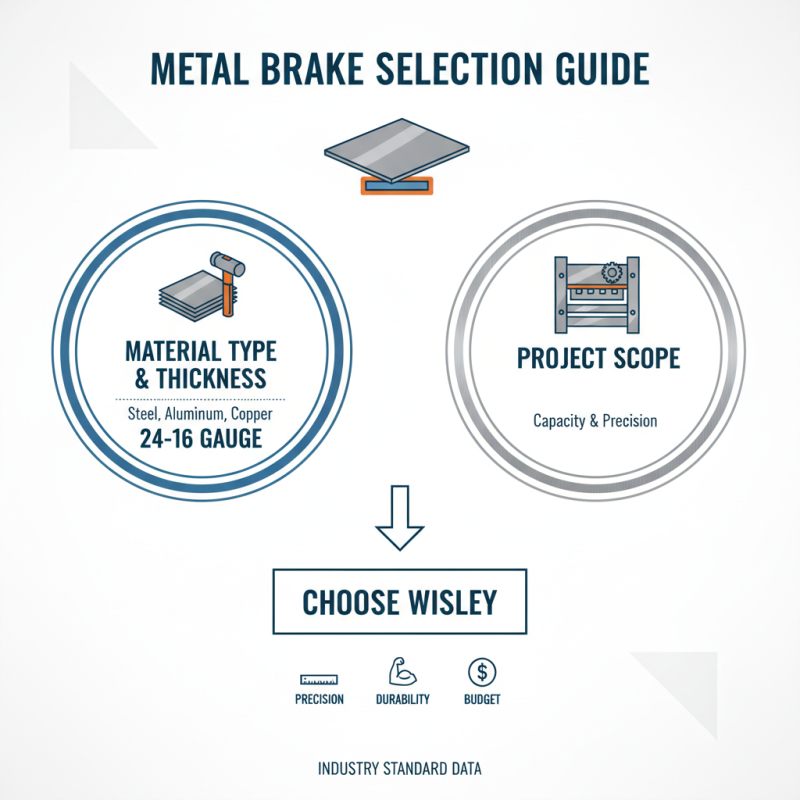
Choosing the right metal brake for your project is crucial. It impacts accuracy and efficiency. Start by assessing the size of the materials you will work with. Consider the maximum thickness and width. A brake that fits these dimensions ensures optimal performance.
**Tips:** Measure your materials before making a decision. Include a bit of extra width for overlap. This small adjustment could save time later.
Next, think about the capacity you need. How often will you use the brake? If you work on larger projects, a more robust option may be necessary. A lighter brake can be easier to handle but might limit your capabilities.
**Tips:** Evaluate your typical projects. If you often switch between sizes, precision is vital. Always test on scrap materials before the final cut. This will help mitigate mistakes.
Consider the overall design and weight. A heavier brake might provide stability, but it can be cumbersome. Think about your workspace. Is it set up for easy maneuverability? A metal brake should fit seamlessly into your workflow, enhancing your productivity.
What is the Best Metal Brake for Your Project?
This bar chart presents the capacities and sizes of different types of metal brakes that may be suitable for your project needs. The capacity is measured in pounds and indicates the maximum load the brake can handle, whereas the size represents the working width in inches.
Maintenance Tips for Longevity of Your Metal Brake
Maintaining your metal brake is essential for its longevity and performance. Regular lubrication can significantly reduce wear. A study from the National Institute of Standards and Technology (NIST) indicates that proper lubrication can extend machinery life by up to 30%. Use a high-quality lubricant and apply it according to the manufacturer's recommendations.
Another critical aspect is cleaning. Dust, debris, and metal shavings can accumulate on the brake, affecting its efficiency. A report from the Machinery Maintenance Institute found that neglecting cleaning can lead to a 20% decrease in performance. Use non-abrasive materials for cleaning. It’s important to check and clean parts like the clamping mechanism and bending tools regularly.
Finally, assess alignment frequently. Misalignment can cause unnecessary strain on components. Industry data shows that misalignment can lead to up to 15% more wear. Regular checks can help avoid costly repairs. Inspect all aspects of your metal brake to ensure everything functions smoothly. Investing time in maintenance can prevent significant issues down the line.