How to Choose the Best Fiber Laser Cutter for Your Needs
In the fast-evolving industry of manufacturing, selecting the right fiber laser cutter is crucial. Experts warn that this decision can impact efficiency and productivity. For instance, John Smith, a leading expert in laser technology, states, “Choosing the right fiber laser cutter is essential for optimizing your production line.”
When exploring options, consider your specific needs. Factors like cutting speed, material compatibility, and operational costs come into play. A machine that works for one business may not suit another. Assess your goals carefully before making a choice.
The landscape of fiber laser cutters is broad and varied. New technologies emerge regularly, making the decision daunting. Reflect on your priorities: Do you need versatility or speed? Are you focusing on cost-efficiency or advanced features? Being clear about your needs will guide you toward the best option.
Understanding Fiber Laser Cutting Technology
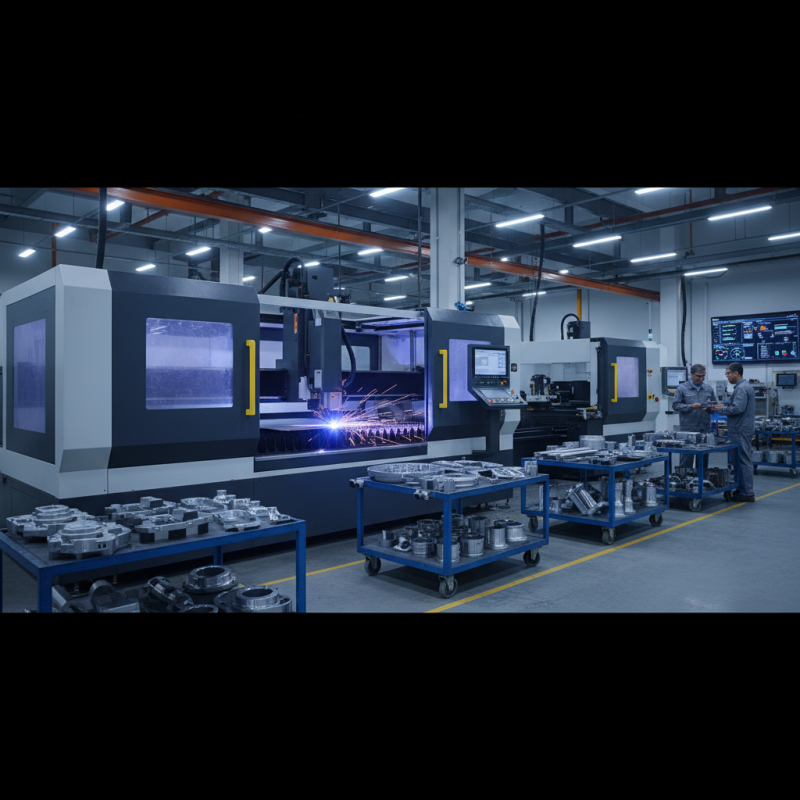
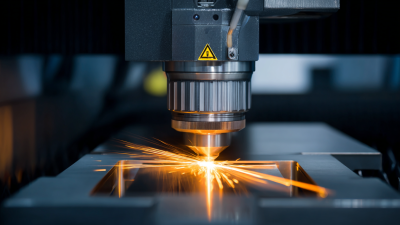
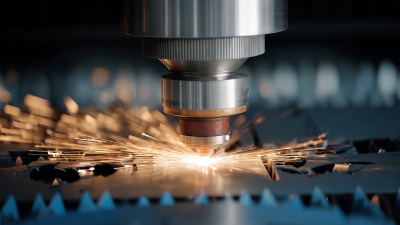
Fiber laser cutting technology is a powerful method for material processing. It uses a focused beam of light to cut through various materials, such as metal, wood, and plastic. This technique offers precision and speed, making it popular in manufacturing. However, understanding its capabilities is key to choosing the right machine.
When selecting a fiber laser cutter, consider your specific needs. What materials will you be cutting? Thickness is crucial. For example, thicker materials require more power. Evaluate the speed and quality of the cut. Higher wattage can lead to faster operations but might affect edge quality. Not all applications are the same. This is where thoughtful planning comes into play.
Tips:
Test different settings on scrap materials. This can save time and resources. Do not rush the decision; take note of machine specifications and reviews. Consulting with experts can provide additional insight. Finally, remember that maintenance is essential for longevity, yet it is often overlooked.
Identifying Your Cutting Material Requirements
When selecting a fiber laser cutter, understanding your cutting material is crucial. Different materials require varying laser powers and settings. For instance, cutting stainless steel demands higher wattage compared to wood. A mismatch can lead to poor cuts or damage the machine. Take the time to assess the materials you plan to work with, whether it's metal, plastic, or fabric.
Each material has distinct properties. Metals like aluminum and brass can reflect laser beams, requiring specialized settings. Plastics may melt if the power is too high. Test samples before committing to a specific machine. Be prepared for trial and error. It's common to underestimate the intricacies of material behavior.
Consider the thickness of the materials as well. Thicker materials require more power and slower speeds. This can affect productivity. Balancing speed and quality can be challenging. If unsure, consult available resources or seek expert advice. You may need to rethink your initial preferences based on your actual cutting tasks.
Evaluating Power and Speed Specifications
When selecting a fiber laser cutter, power and speed are crucial. The power determines how thick materials you can cut. High power allows for faster cutting through metals and thicker materials. Conversely, lower power is suitable for thinner materials or intricate designs. A balanced approach is essential. Consider your projects’ typical thickness when choosing power levels.
Speed is equally important. A faster cutting speed can increase productivity. However, if the speed is too high, it may compromise the cut quality. Quality matters, especially for more detailed work. Knowing the maximum speed allows you to gauge efficiency. It’s not always about speed; precision often wins.
Evaluate your needs carefully. Perhaps you don’t always need high power or fast speeds. Think about the materials you use regularly. Reflect on the types of projects you handle most. This might lead to reconsidering your initial choices. Sometimes, a middle ground offers flexibility and cost-effectiveness. Prioritize based on actual usage rather than technical specifications alone.
Assessing Software and Control Features
When choosing a fiber laser cutter, software and control features play a crucial role. The software determines how effectively you can design and execute your projects. Look for user-friendly interfaces.
Complex software may have a steep learning curve, which can frustrate newcomers. Good software will enable better control over cutting speeds, power levels, and engraving options.
Tips: Check if the software supports common file formats. This flexibility can save you time. Also, consider customization capabilities. Software that allows adjustments can improve efficiency.
Control features are equally important. Ensure the cutter has precise movement controls. Accurate positioning reduces material waste. Look for features like manual overrides. These allow for quick adjustments during the cutting process. A lack of intuitive control can lead to errors, delaying production.
Tips: Test the control panel when purchasing. It should feel responsive and easy to understand. Observe how the machine reacts to commands; this can reveal its reliability.
Comparing Initial Costs and Long-Term Maintenance
When choosing a fiber laser cutter, initial costs matter, but don't overlook long-term maintenance. The purchase price may be appealing, yet the maintenance costs can add up. Maintaining your machine is as critical as the initial investment. Regular upkeep can prevent costly repairs later.
When budgeting, consider factors like laser tube life and replacement costs. Some systems need frequent replacements, which can drain your budget. Conversely, models with longer-lasting components may have a higher upfront cost but lower maintenance expenses. Pay attention to user reviews about maintenance experiences, as they can provide insight into potential pitfalls.
Tip: Always ask for a breakdown of maintenance costs from suppliers. Look for recommendations on service reliability. Finding a machine with a good service record may save money over time. Understand that not all systems are created equal. Some may require expertise to operate, impacting their overall cost-effectiveness. The right choice balances initial investment and ongoing expenses. It's a continuous reflection on your needs and resources.
How to Choose the Best Fiber Laser Cutter for Your Needs - Comparing Initial Costs and Long-Term Maintenance
| Feature |
Entry-Level Model |
Mid-Range Model |
High-End Model |
| Initial Cost |
$15,000 |
$30,000 |
$70,000 |
| Maintenance Costs (Annual) |
$2,000 |
$3,500 |
$5,000 |
| Cutting Speed (in mm/min) |
2000 |
4000 |
8000 |
| Maximum Material Thickness (in mm) |
6 |
12 |
20 |
| Power Consumption (kW) |
4 |
6 |
10 |
| Warranty Period |
1 Year |
2 Years |
3 Years |