Why Choose Prototype Machining for Your Manufacturing Needs?
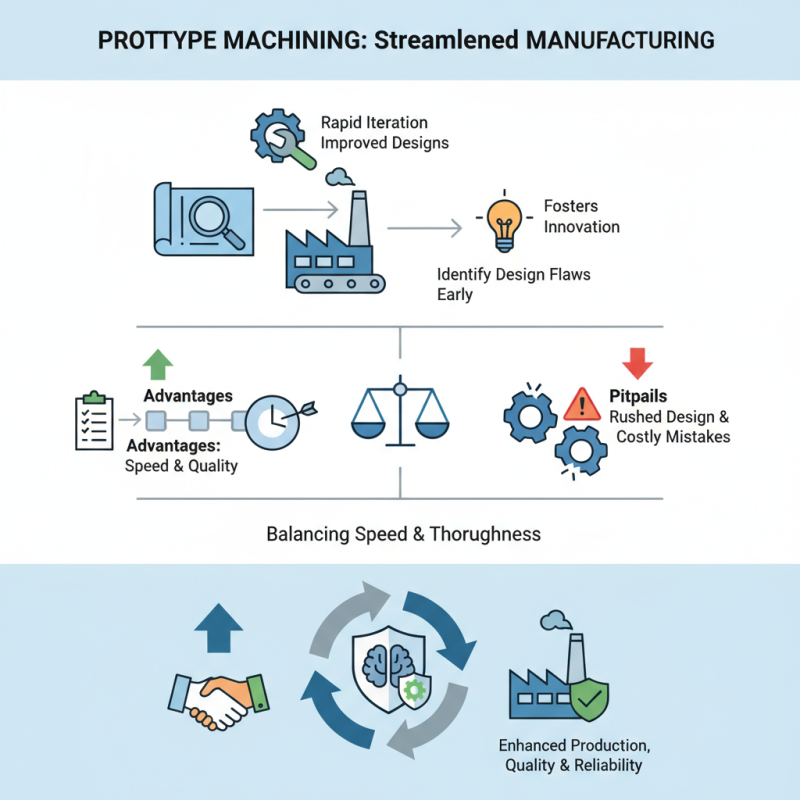
Prototype machining has become an essential component in modern manufacturing. Experts in the field highlight its importance for streamlined production. John Smith, a leading engineer at Precision Machining Co., states, "Prototype machining allows for rapid iterations and improved designs." This sentiment underscores the necessity and effectiveness of prototype machining.
The process involves creating a prototype, which is a preliminary model of a product. This technique allows manufacturers to identify design flaws early. It fosters innovation by enabling quick adjustments. However, relying solely on a prototype can sometimes lead to pitfalls. For instance, a company may rush the design phase, neglecting critical testing. This can lead to costly mistakes down the line.
In conclusion, prototype machining offers numerous advantages. Yet, manufacturers should approach it with caution. Balancing speed and thoroughness is crucial. By embracing prototype machining, businesses can enhance their production capabilities while ensuring quality and reliability.
Understanding Prototype Machining and Its Role in Manufacturing
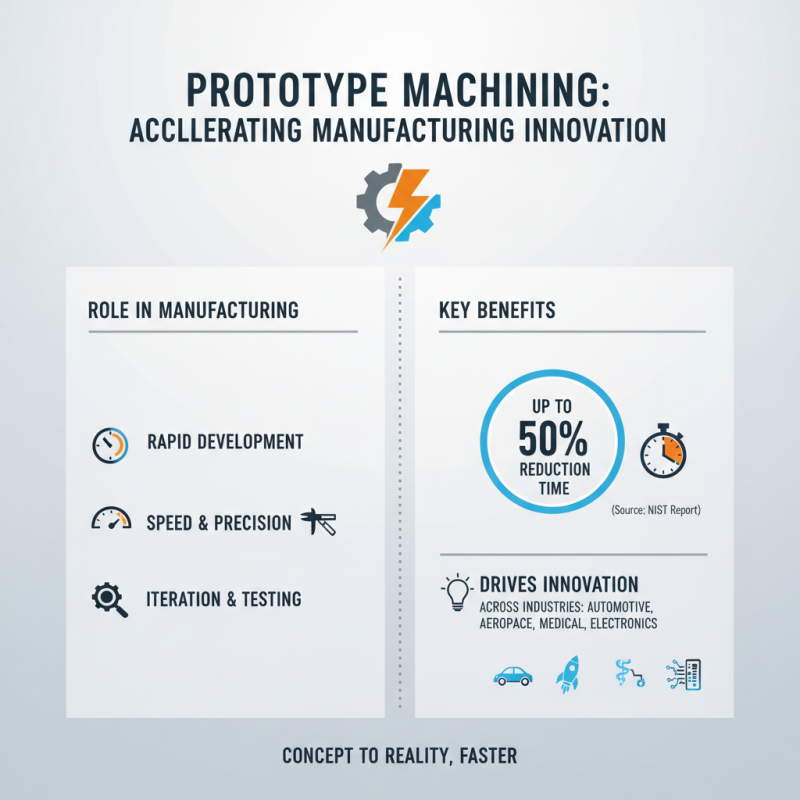
Prototype machining plays a crucial role in modern manufacturing. It allows for the rapid development of parts and components. This method attracts attention for its speed and precision. According to a report by the National Institute of Standards and Technology (NIST), prototype machining can reduce production time by up to 50%. This efficiency drives innovation across various industries.
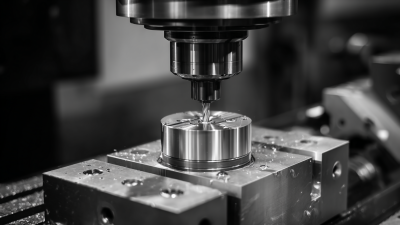
In prototype machining, skilled technicians work with advanced materials and equipment. Machining centers can achieve tolerances as tight as +/- 0.005 inches. This level of accuracy is crucial for industries like aerospace and medical devices, where even minor errors can have significant consequences. However, challenges remain. The need for skilled labor is high, and not every shop can meet stringent standards.
Moreover, the costs associated with prototype machining can fluctuate significantly. A study from the American Society of Mechanical Engineers (ASME) indicates that project failures often arise from miscommunication or unrealistic expectations. Manufacturers must establish clear goals and maintain transparency throughout the process. This vigilance can lead to successful prototypes, fostering further innovation in production techniques.
Key Advantages of Using Prototype Machining for Product Development
Prototype machining offers distinct advantages for product development. One key benefit is rapid turnaround. Designers can create prototypes quickly, which accelerates the design process. This speed allows for immediate testing and feedback. Engineers can iterate on their designs efficiently, making necessary adjustments without long delays.
Cost-effectiveness is another significant advantage. Traditional manufacturing methods can be expensive, especially for small runs. Prototype machining minimizes costs while still producing high-quality parts. However, some may find that not all materials work perfectly in prototyping. Others may wonder if the initial prototype will meet all design requirements.
Precision is crucial in product development. Prototype machining provides high accuracy, which is vital for functional testing. Yet, achieving perfection is challenging. Some prototypes may not function as intended. This reality pushes teams to rethink their designs and improve functionality. Overall, prototype machining fosters innovation, despite its imperfections.
Key Advantages of Prototype Machining for Product Development
Comparing Prototype Machining with Traditional Manufacturing Methods
Prototype machining offers significant advantages compared to traditional manufacturing methods. It allows for quick adjustments and fine-tuning during the production process. According to a report by McKinsey, companies that adopt prototype machining can reduce their product development time by up to 30%. This speed is crucial in industries where time-to-market determines competitive advantage.
In contrast, traditional methods often involve longer lead times and higher costs. A study from Deloitte noted that conventional manufacturing can increase expenses by approximately 20% due to fixed tooling and setup processes. These factors can limit innovation because of the reluctance to invest heavily in designs that may not succeed. Prototype machining’s flexibility encourages experimentation without the high stakes often associated with traditional methods.
While prototype machining showcases clear benefits, it does have limitations that need reflection. For instance, some projects may demand high-volume production where traditional methods still excel. Additionally, not all materials are suitable for rapid prototyping, which could hinder development timelines. Companies must weigh their options carefully, understanding that each method has its unique strengths and challenges.
Why Choose Prototype Machining for Your Manufacturing Needs?
| Criteria |
Prototype Machining |
Traditional Manufacturing |
| Lead Time |
Shorter (Days to Weeks) |
Longer (Weeks to Months) |
| Cost Efficiency for Small Batches |
Higher Efficiency |
Less Efficient |
| Design Flexibility |
High Flexibility |
Limited Flexibility |
| Material Variety |
Wide Range of Materials |
Limited Material Choices |
| Precision |
High Precision |
Varied Precision |
| Tooling Costs |
Lower Tooling Costs |
Higher Tooling Costs |
Applications of Prototype Machining Across Various Industries
Prototype machining serves various industries due to its adaptability and precision. In aerospace, for instance, it is crucial for creating complex parts. These components often require tight tolerances. Prototype machining allows for quick iterations, which is essential for testing and refining designs. Rapid prototyping helps engineers identify flaws early in the production process.
In the automotive sector, prototype machining plays a vital role as well. Manufacturers use it to develop new engine components and body panels. This ensures that parts fit together correctly before mass production. Manufacturers can experiment with different materials and designs. This iterative process enhances innovation but can sometimes lead to unexpected challenges in cost management or production timelines.
Medical device development also leverages prototype machining. Precision is non-negotiable here; small deviations can lead to significant issues. Designers create prototypes to test functionality and user experience. These trials can lead to redesigns, which may frustrate timelines. However, they ultimately enhance product reliability. Engaging in this process leads to improvements, even if it requires patience and reflection on prototypes that didn’t meet expectations.