How to Choose the Right Carbon Kneader Reactor for Your Needs?
Choosing the right Carbon Kneader Reactor is crucial for optimizing production. This equipment is essential in industries such as rubber, plastics, and composites. According to a report by Market Research Future, the global carbon kneader market is expected to grow by over 6% annually. Selecting the correct model can enhance efficiency and reduce costs significantly.
Dr. Lisa Cheng, a noted expert in polymer processing, emphasizes, "The right Carbon Kneader Reactor can be a game-changer in material properties." Her insights highlight the reactor's influence on product quality and consistency. However, many manufacturers overlook critical parameters when selecting these reactors, leading to operational challenges.
While the market offers diverse options, navigating features can be overwhelming. Factors like capacity, mixing technology, and energy consumption play vital roles. An ill-suited choice may compromise production efficiency. Careful consideration and expert consultation are essential in making an informed decision.
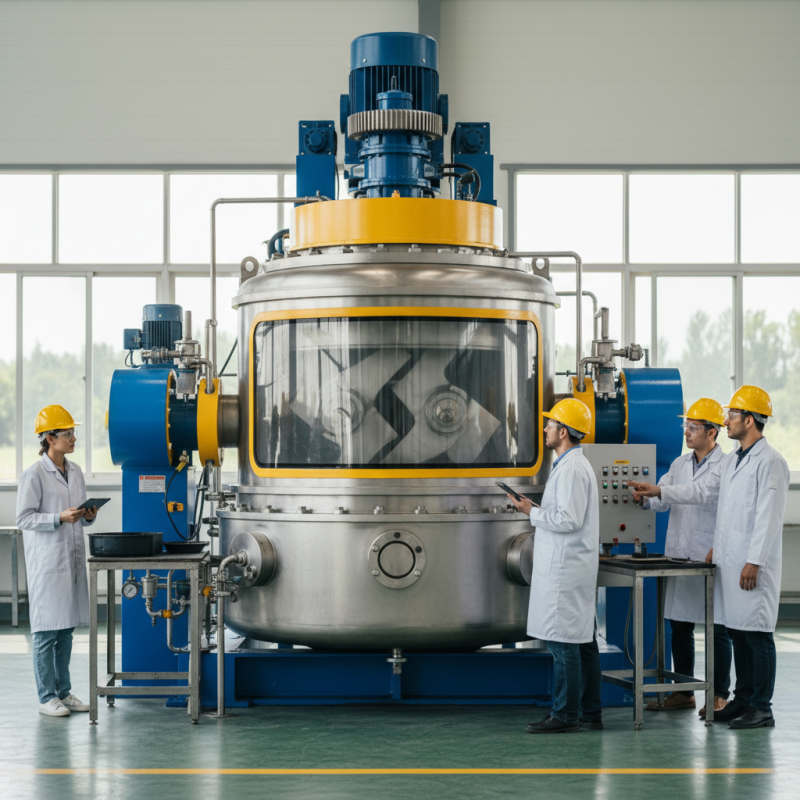
Understanding the Basics of Carbon Kneader Reactors
When selecting a carbon kneader reactor, understanding its fundamental aspects is crucial. Carbon kneader reactors are widely used in rubber and plastics processing. They provide effective mixing and dispersion of materials, enhancing product quality. Recent industry reports indicate that the market for these reactors is projected to grow by 5% annually. This growth highlights their importance in manufacturing processes.
The primary function of a carbon kneader reactor is to ensure the uniform mixing of components. This requires precise control of factors like temperature and shear rate. If not monitored, inconsistencies may arise. For instance, inadequate mixing can lead to weak product performance. Also, the choice of reactor design can significantly impact energy efficiency. A well-chosen reactor can reduce energy consumption by up to 15%, creating cost benefits for manufacturers.
Professional data shows that the selection process can be complex. Factors such as batch size, material properties, and desired throughput play critical roles. Many manufacturers struggle to align these factors effectively. For instance, oversizing a reactor can lead to unnecessary costs and inefficiencies. This reflects the need for careful consideration in the selection process. Ultimately, understanding these basics helps ensure you choose the right carbon kneader reactor for your application.
Key Factors to Consider When Choosing a Carbon Kneader Reactor
When selecting a carbon kneader reactor, several key factors determine its effectiveness for specific applications. The material composition and design significantly influence performance. For instance, reactors made from specialized alloys can withstand extreme temperatures and pressures, leading to improved processing efficiency. Industry data suggests that a well-chosen reactor can enhance yield by up to 30%, demonstrating the importance of this factor.
Another crucial consideration is the reactor's capacity and mixing capabilities. A study from the Chemical Engineering Journal indicates that optimal mixing can reduce processing time by 20%. This improvement is vital in industries that demand high throughput and consistent quality. The reactor's ability to handle different batch sizes can also impact production flexibility and operational costs. It's important to carefully evaluate these parameters based on the specific requirements of your manufacturing process.
Additionally, maintenance and operability should not be overlooked. Frequent downtime for maintenance can disrupt production schedules and lead to financial losses. A reactor designed for ease of access and minimal upkeep can provide long-term benefits. Balancing these factors is essential to achieve the desired outcomes while ensuring sustainability and cost-effectiveness in operations.
Comparing Different Types of Carbon Kneader Reactors Available
When choosing a carbon kneader reactor, it's vital to compare available options. Different types serve various functions in the industry. For instance, some reactors focus on high-efficiency mixing, while others prioritize temperature control. Understanding these differences can significantly affect your production process.
Consider the design of the reactor. A batch kneader might suit smaller operations, while a continuous kneader could benefit larger scale productions. Pay attention to material compatibility as well. Certain materials withstand higher temperatures, which could impact the longevity of your reactor. The wrong choice can lead to operational failures, resulting in downtime and losses.
Evaluate each reactor's efficiency ratings and user feedback. Some designs may seem promising but might fall short in real-world applications. A thorough analysis can uncover hidden flaws. Consider maintenance needs, too. Some reactors demand more upkeep, which could inflate your costs over time. Reflecting on these points ensures you make an informed decision tailored to your specific needs.
Assessing the Size and Capacity Requirements for Your Application
When selecting the right carbon kneader reactor, assessing size and capacity is crucial. Different applications demand varying specifications. A reactor that is too small can cause inefficiencies. On the other hand, an oversized reactor may lead to increased costs and wasted energy. Think about production volume and consistency. Meeting these requirements ensures optimal performance.
Consider the materials you will process. Some applications might require precise mixing for uniform results. This may influence the reactor size you need. Evaluate the batch size you typically produce. A larger batch may necessitate a bigger capacity. Environmental factors also play a role. Larger reactors often require more space and have different ventilation needs.
Reflecting on past experiences can provide valuable insights. Have you faced challenges with previous reactors? Each size has distinct benefits and limitations. A wrong choice can impact both productivity and budget. Therefore, incorporating feedback from users can guide you to more informed decisions. Pay attention to these details when evaluating options.
Evaluating Manufacturer Reputation and Support Services
Choosing the right carbon kneader reactor requires careful consideration of the manufacturer’s reputation and support services. A reputable manufacturer is more than a name; it’s a promise of quality. According to industry reports, companies with strong reputations often have lower failure rates. Those breakdowns can significantly delay production and increase costs. Look for manufacturers with documented case studies demonstrating successful installations and reliable performance.
Support services are equally critical. Research shows that 30% of equipment failures occur due to inadequate training for operators. Effective training programs enhance operator confidence and equipment longevity. Consider manufacturers that offer comprehensive training and ongoing technical support. Quality support can reduce downtime. A quick response from a support team matters when issues arise. According to a recent survey, 70% of buyers prioritize quick access to technical help when selecting a manufacturer.
While evaluating these factors, reflect on your specific needs. Not all manufacturers provide the same level of reliability. Some may excel in production but fall short in service. It's essential to balance both aspects. This assessment may reveal weaknesses in your current strategy. Some manufacturers may promise high performance but lack the necessary service infrastructure. A thorough analysis can highlight these discrepancies.
