How to Choose the Right Sheet Metal for Your Project?
Choosing the right sheet metal for your project is crucial. Expert John Smith, a recognized authority in the sheet metal industry, emphasizes, "The right sheet metal can make or break your project." His insight highlights the importance of selecting materials that suit specific applications.
Different projects demand various types of sheet metal, each with unique properties. For example, stainless steel offers corrosion resistance. Aluminum, on the other hand, is lightweight and highly malleable. Understanding these attributes is key in making informed choices.
It's also vital to consider thickness and finish. A thicker sheet may be stronger, but it can be harder to work with. You might face challenges if you overlook these details. Reflecting on your project's needs will guide you in selecting the ideal sheet metal.
Understanding Different Types of Sheet Metal: An Overview
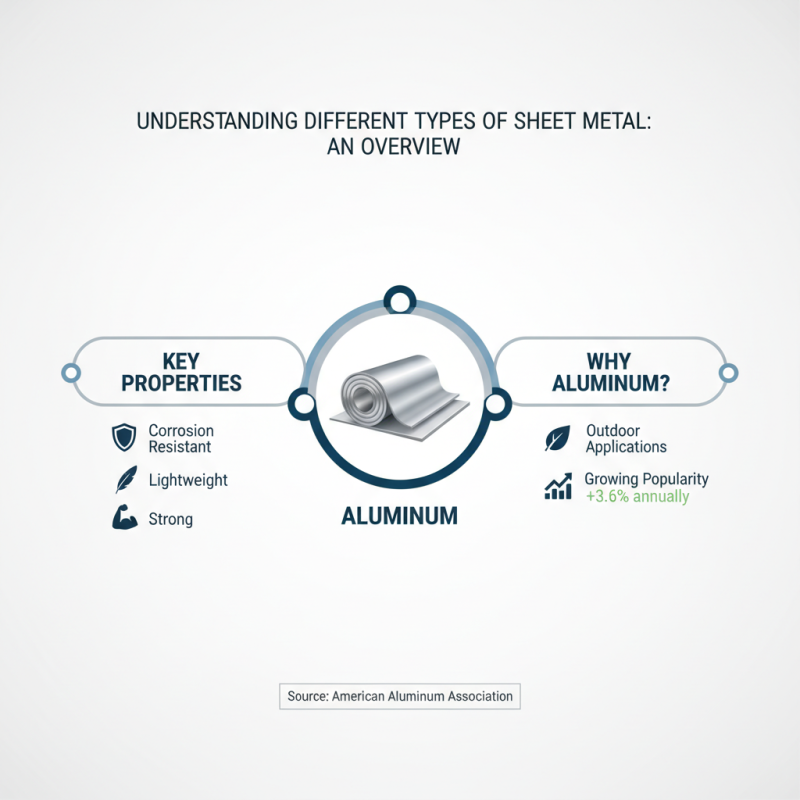
When selecting sheet metal for your project, understanding the various types is crucial. Each type offers unique properties. Aluminum, for instance, is lightweight yet strong. It resists corrosion, making it ideal for outdoor applications. According to the American Aluminum Association, the global consumption of aluminum sheet products has increased by about 3.6% annually over the last five years. This trend shows the material’s growing popularity in various sectors.
Steel and stainless steel also play significant roles in the industry. Steel provides excellent strength and is often used in construction. Stainless steel, on the other hand, offers superior corrosion resistance and is widely used in kitchen equipment and medical applications. The Steel Association reports that stainless steel production has increased by 7% in recent years, highlighting its demand.
However, not all projects require high-end materials. Sometimes, using less expensive alternatives may be tempting, but they might not meet durability requirements. It's important to weigh the cost against long-term performance. Choosing the right type of sheet metal means considering the project’s specific needs, environment, and budget constraints. Balancing these factors can reveal valuable insights and help make more informed decisions. Knowing the basics of each type is a good start, yet there's always more to learn for optimal results.
Evaluating Material Properties: Strength, Weight, and Durability Factors
Choosing the right sheet metal involves a deep understanding of its material properties. Strength is key when selecting metal for structural applications. Thicker metals generally provide more strength but can add unnecessary weight. In contrast, thinner sheets may reduce weight but compromise integrity. Consider the specific needs of your project; sometimes, the right balance is all that’s needed.
Weight and durability are also crucial factors. Lighter metals can be advantageous for portable designs, yet they may not withstand harsh conditions. Evaluate environmental factors, such as temperature fluctuations and corrosion. Different metals behave uniquely in various situations. It's tempting to choose a universally strong metal, but the application’s demands should guide your choice.
Reflecting on previous projects can offer insights. Did a heavy sheet metal affect transportation? Or did a lightweight option fail too soon? Analyzing these experiences helps refine your selection process. Remember, the best choice isn’t always the most obvious one. It requires careful consideration of all properties involved.
Key Applications of Common Sheet Metal Types in Various Industries
When choosing sheet metal, understanding its common applications in various industries is crucial. Different types of sheet metal serve distinct purposes. For instance, stainless steel is widely used in the food processing industry. Its corrosion resistance makes it ideal for environments that require high hygiene standards.
In the automotive sector, aluminum sheet metal plays a vital role. Its lightweight nature enhances fuel efficiency. Many automobile manufacturers opt for aluminum to reduce overall vehicle weight. However, one must consider its cost and recyclability. While aluminum is effective, it can be more expensive than traditional steel.
In construction, galvanized steel is frequently chosen for its durability and strength. It resists rust, making it suitable for outdoor applications. However, using galvanized steel requires careful handling, as it can oxidize if scratched. Reflecting on these choices, each metal offers unique benefits and challenges that should align with the project requirements. Selecting the right material demands careful consideration and an understanding of these factors.
Key Applications of Common Sheet Metal Types in Various Industries
Cost Analysis: Budgeting for Sheet Metal Options in Your Project
When planning a project that involves sheet metal, budgeting plays a crucial role. Understanding the cost is essential for accurate financial planning. Industry reports indicate that the price of sheet metal can vary significantly based on material type and thickness. For instance, aluminum might cost around $3 per pound, while stainless steel can go up to $5.50 per pound. These prices can fluctuate due to market demand and availability. Keeping track of these costs can help in making informed decisions.
Moreover, it’s crucial to consider the hidden costs involved in selecting sheet metal. With options like coatings and treatments, additional expenses can arise. For instance, painting or galvanization can add up to 20% more to the initial sheet metal cost. A report from the Metal Service Center Institute highlighted that budget overruns often occur when these factors are overlooked. Assessing the complete cost picture ensures that projects remain financially viable.
Finally, it is important to compare your budget against the performance. Cheaper materials might not be as durable, leading to future expenses. On the other hand, investing in higher-quality options can yield better long-term results. Balancing cost with quality is an ongoing challenge for many professionals in the industry. Taking time to reflect on these choices can lead to more effective decision-making.
Sustainability Considerations: Choosing Eco-Friendly Sheet Metal Solutions
When selecting sheet metal for your project, sustainability is key. Many options are available, but not all are eco-friendly. A responsible choice often involves metals that are recyclable or derived from recycled materials. Aluminum and stainless steel are excellent examples of sustainable choices. They offer durability and can significantly reduce environmental impact.
Using eco-friendly sheet metal means considering the entire lifecycle of the material. This includes extraction, processing, and eventual disposal. It's not just about choosing a green product; it's about how it's made. Investigating a material's carbon footprint can be enlightening. Many manufacturers are now prioritizing sustainable practices, but some may still fall short. Always do your research and seek out companies with transparent sourcing.
A major concern is how sheet metal is treated and finished. Chemical coatings can negate the benefits of using recyclable materials. Finding non-toxic finishes minimizes harmful effects on both the environment and human health. Reflecting on these choices helps ensure you support sustainable practices while completing your project effectively. Making informed decisions can drive positive change in the industry.