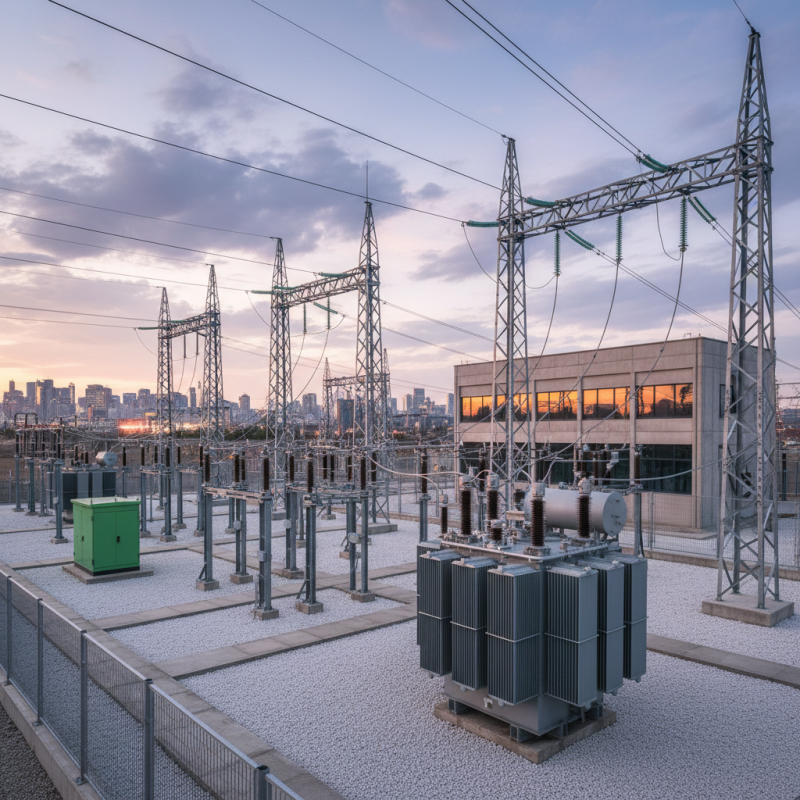
How to Choose the Right Transformer Substation for Your Needs?
Choosing the right Transformer Substation is crucial for efficient power distribution. With numerous options available, it can be overwhelming. Each facility has unique energy needs, and understanding these is key to making an informed decision.
Transformer Substations vary in design and capacity. Some are tailored for industrial use, while others cater to residential areas. Assessing factors like load requirements and site conditions is essential. It's not just about selecting a model; it's about matching the substation to your specific needs.
A well-selected Transformer Substation enhances reliability and reduces operational costs. However, making the wrong choice can lead to significant issues. These may include power outages or increased maintenance expenses. Reflecting on these consequences can inform better choices going forward.
Understanding the Purpose and Functions of Transformer Substations
Transformer substations play a critical role in electrical distribution systems. They are designed to step down high-voltage electricity from transmission lines to lower voltage levels suitable for consumer use. This process ensures that homes and businesses receive electricity safely and efficiently. According to the U.S. Energy Information Administration, around 60% of electricity in the U.S. is delivered through substations.
Choosing the right transformer substation requires understanding its key functions. These include voltage transformation, regulation, and protection. Different types, such as outdoor or indoor substations, serve various environments. The choice might depend on space availability, environmental impacts, and noise levels. For instance, indoor substations often use soundproof designs.
Tip: Always consider future expansion needs when selecting a substation. A well-planned substation can accommodate increased capacity. Assessing the projected growth of electricity demand is essential. Be cautious about underestimating future needs, as energy consumption continues to rise.
It's vital to work with experienced engineers during the selection process. They can help ensure compliance with local and national regulations. Inadequate understanding of regulations can lead to costly delays or redesigns. Therefore, thorough research and expert consultation are paramount.
Key Factors to Consider When Selecting a Transformer Substation
Selecting the right transformer substation requires careful consideration of various factors. One key aspect is the load capacity. Understanding your current and future electrical load helps determine the necessary substation size. If you underestimate, the system may fail under high demand. Conversely, overestimating can result in unnecessary costs.
Another important factor is location. Proximity to power sources and end-users affects efficiency. An ideal site minimizes transmission losses. Environmental impact must be assessed too. Local regulations might restrict installation in certain areas. It’s crucial to balance the needs and constraints of both the energy provider and the community.
Additionally, consider the type of transformer. There are several options, each with its benefits. For instance, oil-filled transformers offer better cooling, while dry-type transformers are safer in many environments. Your choice should reflect the specific requirements of your project. Sizing, location, and type directly influence operational reliability. It’s easy to overlook one of these aspects, leading to costly mistakes later on. Be vigilant in your evaluation to ensure optimal performance.
Evaluating Technical Specifications and Requirements for Your Project
When selecting a transformer substation, understanding technical specifications is crucial. Consider the voltage requirements for your project. High voltage ratings may lead to increased efficiency, but they also necessitate more elaborate safety measures. Assess your power distribution needs thoroughly. Inadequate power supply can disrupt operations, leading to financial losses.
Don't overlook environmental factors either. The location of your substation can impact its performance. For example, installations in areas prone to flooding require additional protective measures. Evaluate cooling methods, as high temperatures can affect transformer lifespan. It's important to review the design carefully. How will the substation interact with existing infrastructure? Compatibility can save you time and resources.
Mistakes can be costly. Inadequate planning may result in choosing the wrong transformer size. Regular assessments of energy consumption patterns are beneficial. Ensure that you are not over-specifying or under-specifying your needs. Engaging with experts can help clarify uncertainties and provide credible insights. Balancing performance with cost is vital for project success.
How to Choose the Right Transformer Substation for Your Needs?
| Specification | Requirement | Recommended Value | Notes |
| Voltage Rating | Nominal Voltage | 11 kV, 33 kV, 132 kV | Choose based on local grid voltage |
| Power Rating | Total load requirement | 10 MVA, 20 MVA | Consider future load growth |
| Cooling Type | Cooling method for transformer | ONAN, ONAF | Choose based on ambient conditions |
| Protection Class | Safety and efficiency standards | IP20, IP54 | Higher rating for outdoor installations |
| Short Circuit Current Rating | Maximum expected fault current | 25 kA, 40 kA | Determine based on network analysis |
| Phase Configuration | Number of phases | Single-phase, three-phase | Based on load and application |
Assessing the Location and Environmental Factors for Installation
Choosing the right transformer substation involves careful assessment of the location and environmental factors. The chosen site can significantly impact efficiency, safety, and long-term performance. For instance, studies by the International Energy Agency indicate that proper site selection can enhance energy efficiency by up to 20%. Weather conditions, local flora, and topography are crucial aspects to consider.
When selecting a location, evaluate both natural and man-made environments. Avoid areas prone to flooding or seismic activity. Local zoning laws and regulations are also essential. Understand how these factors could complicate installation and operations. For example, a site with poor accessibility might lead to higher construction and maintenance costs.
Tip: Conduct an environmental impact assessment to identify potential problems early. This process helps mitigate risks associated with unforeseen site conditions. Engage with local authorities and communities to gain insights into environmental considerations.
Before finalizing a location, reflect on all variables. Each project will have unique challenges that require creative problem-solving. Knowledge of local ecosystems can lead to more sustainable decisions. Remember the importance of adaptability in project planning, as conditions may change over time.
Budgeting and Cost Considerations for Transformer Substation Projects
When planning a transformer substation project, budgeting is crucial. Understanding the costs involved can prevent financial surprises. Start with initial assessments, which can vary greatly based on site location and operational needs. Site preparation, utility access, and environmental considerations all factor into expenses. For example, remote locations may require extensive infrastructure investments.
Next, consider equipment costs. Transformer specifications lead to diverse pricing tiers. Opting for higher efficiencies can save long-term operational costs, but the upfront price may be higher. Installation costs also add up, as specialized labor is often required. Properly assessing the installation site can help avoid unexpected labor costs.
Remember to allocate funds for maintenance and future upgrades. A well-maintained substation can prolong its lifespan. Think about contingencies too. Budgeting a reserve for unexpected repairs is wise. This approach also ensures overall reliability. Reflect on your past experiences in this area, as they can guide future budgeting decisions. Effective planning today will benefit projects tomorrow.