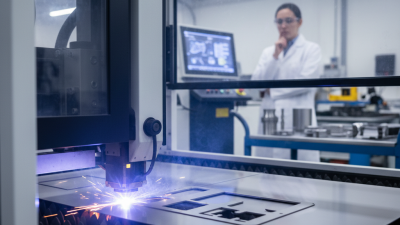
Top CNC Laser Cutter Tips for Efficient Laser Cutting Techniques?
In the ever-evolving landscape of manufacturing, the CNC laser cutter has emerged as a game-changer. Experts like Dr. Emily Carter, a renowned figure in laser technology, emphasize the importance of maximizing efficiency. She states, "Mastering laser cutting techniques can significantly reduce production time and costs." Her insights guide many in the industry.
Understanding efficient laser cutting techniques is vital. Factors such as speed, power setting, and material type influence the outcome. An effective CNC laser cutter not only enhances precision but also streamlines workflow. Many operators overlook minor adjustments, which can lead to inefficiencies. Continuous learning and adaptation are key.
Moreover, mastering the nuances of this technology requires dedication and practice. Each CNC laser cutter presents unique challenges. Reflecting on past experiences will help operators hone their skills. Ultimately, expertise in this field is marked not just by success, but by the lessons learned from failures. This mindset fosters growth and innovation within the industry.
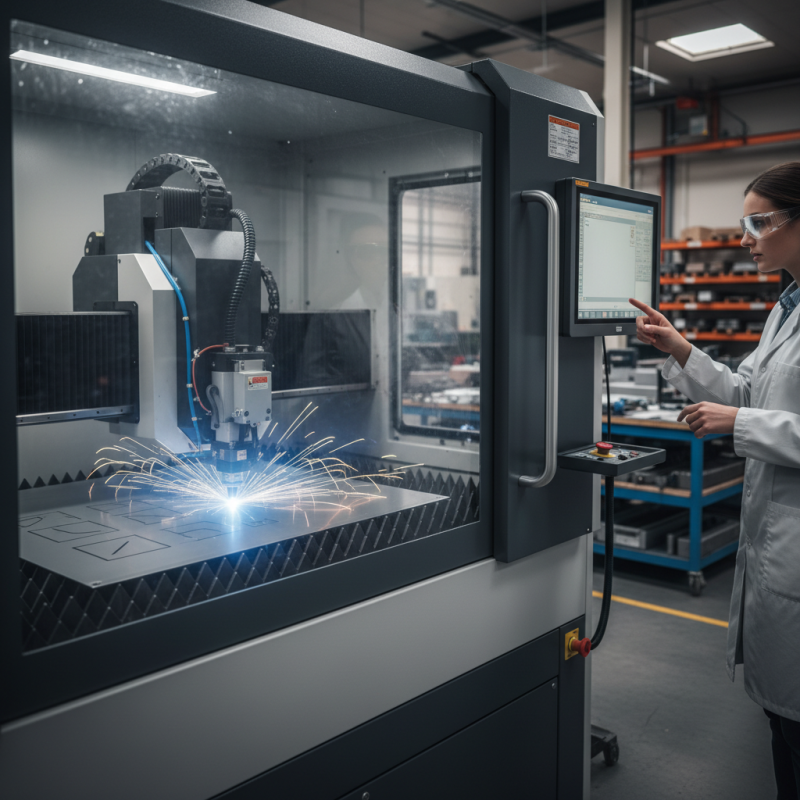
Understanding CNC Laser Cutting Basics for Efficiency
CNC laser cutting is a precise technique that requires an understanding of its fundamentals for better efficiency. Laser cutting operates on the principle of focusing a high-powered laser beam on materials. According to a recent report by Research and Markets, the global CNC laser cutting market is expected to grow by over 6% annually. This growth translates to an increasing demand for skilled operators who can optimize laser settings based on material type and thickness.
Proper setup is crucial for achieving quality cuts. Factors such as power settings, speed, and focus lens play a significant role. Studies indicate that over 30% of inefficient cuts stem from misconfigured settings. Operators must regularly test and calibrate their machines to avoid costly errors. Small adjustments can make a significant difference in the finished product’s quality, enhancing cutting speed while reducing material waste.
It's also important to consider the choice of materials. Some metals can lead to excessive build-up on the laser lens, negatively affecting performance. As noted by industry experts, understanding the properties of different materials can help maintain optimal machine conditions. Regular maintenance is necessary but often overlooked. This attention to detail can prevent breakdowns and extend the life of the equipment, which is essential in high-demand production environments. Failure to address these aspects may lead to production downtimes, impacting overall efficiency.
Choosing the Right Laser Cutter for Your Project Needs
Choosing the right laser cutter for your project needs can greatly influence your outcomes.
Consider your material types first. Different lasers suit various materials.
A CO2 laser works well for wood and acrylic, while fiber lasers excel with metals.
Assess your project requirements to find the ideal match.
Power and speed settings are crucial. A powerful laser may cut faster but can lead to burnt edges.
You’ll need to experiment to find the right balance. Setting the speed too high might result in incomplete cuts.
Take time to refine your technique for better precision.
Also, don’t overlook the importance of maintenance. Regularly cleaning lenses can improve efficiency.
Ensure your equipment's alignment is correct to avoid problems later.
Remember, each project is unique; what worked last time may not apply today.
Adapting and learning continually is key to mastering laser cutting.
Optimizing Material Settings for Precision Cutting
When it comes to laser cutting, optimizing material settings is crucial for achieving precision. Each material reacts differently to laser cutting. The thickness, type, and finish can affect the outcome significantly. For instance, acrylic requires a different speed and power setting compared to plywood. Understanding these nuances can elevate your cutting efficiency.
It's essential to experiment with settings before starting a large project. Test cuts can reveal how the material behaves under specific conditions. For example, if the edges turn brown, the power might be too high. A little adjustment can create clean, polished edges. Remember, every material is unique and may need tailored settings for best results.
Consistency is key. Ensure your laser cutter is calibrated correctly. Regular maintenance can prevent unexpected issues. Dust buildup may alter the focused beam, affecting the precision. Clean optics and proper alignment help maintain quality throughout the cutting process. Test your machine regularly to avoid potential pitfalls. Being attentive and willing to refine your approach can lead to impressive results in your laser cutting projects.
Maintenance Tips to Enhance Laser Cutter Performance
Maintaining a CNC laser cutter is crucial for optimal performance. Regular cleaning can significantly improve cutting efficiency. Ensure that your laser lens and mirrors are free from dust and residue. Residual buildup can lead to inconsistent cuts and wasted materials. It’s a simple task that often gets overlooked but can save time and costs in the long run.
Another key aspect of maintenance is checking the alignment and calibration of the laser. A misaligned beam can produce uneven cuts, requiring more time for adjustments. Frequent calibration checks can prevent this issue. Operators should also be aware of the wear and tear on components over time. Replacing worn parts promptly can avoid bigger problems down the line.
Moreover, it's essential to monitor the cooling system. Inadequate cooling can lead to overheating and decreased lifespan of the cutter. Always inspect coolant levels and look for leaks. Lastly, keeping a maintenance log can help track when services were performed. This practice ensures that no aspect is neglected and aids in identifying recurring issues.
Top CNC Laser Cutter Performance by Maintenance Frequency
Advanced Techniques for Speeding Up the Cutting Process
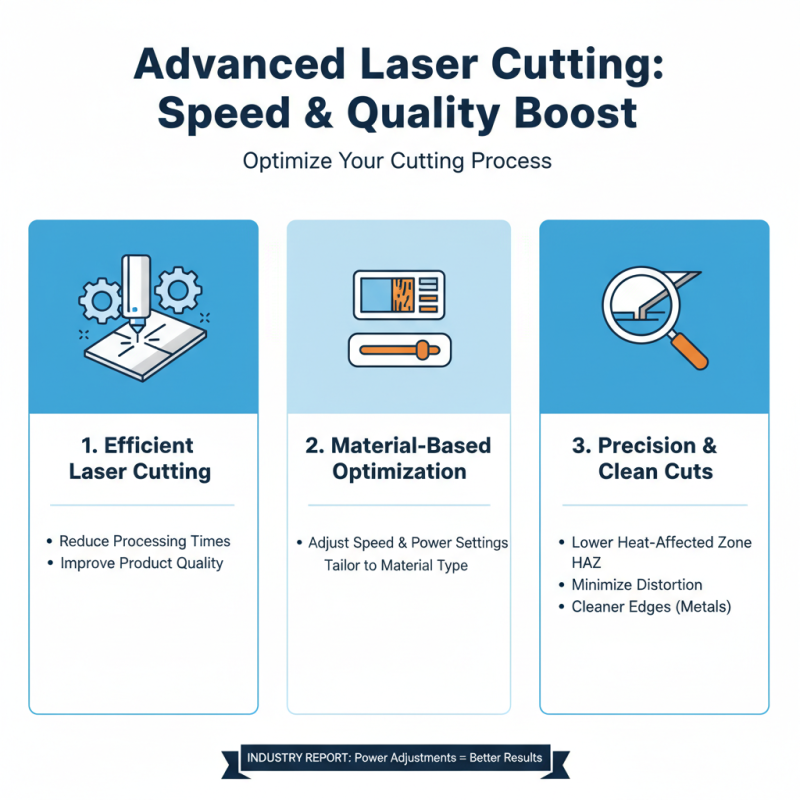
Efficient laser cutting techniques can significantly reduce processing times and improve product quality. One advanced method is optimizing the cutting speed and power settings based on material type. According to industry reports, adjusting the laser power down to specific levels can help reduce the heat-affected zone. This adjustment minimizes distortion and ensures cleaner cuts, particularly in metal applications.
Another effective technique involves using the correct focal point settings. The right focal point can dramatically improve the cutting speed. A study indicated that aligning the focal point closer to the material surface increased cutting efficiency by nearly 30%. However, it is essential to test these settings. Overlooking these details might lead to sub-optimal performance.
Using nesting software is also crucial for maximizing material usage. By arranging parts efficiently, businesses can minimize waste. Reports suggest that effective nesting can reduce material costs by up to 25%. Yet, achieving perfect nests requires ongoing adjustments based on real-world scenarios. This balance between efficiency and accuracy is where many shops struggle, necessitating continuous evaluation.