Why Is CNC Metal Cutting Essential for Global Suppliers?
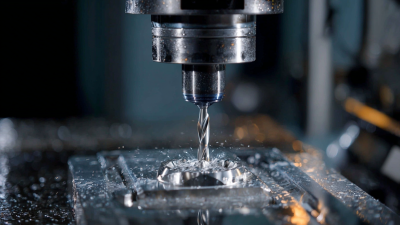
CNC metal cutting plays a vital role in the global supply chain. Experts agree that this technology streamlines production processes and enhances precision. Tom Richards, a leading expert in CNC machining, states, “Efficiency in CNC metal cutting is crucial for meeting market demands.” His insight highlights the necessity of this technology for suppliers.
In today's fast-paced manufacturing environment, CNC metal cutting ensures accuracy and speed. This process allows for complex designs, meeting diverse client needs. However, challenges exist. Not all suppliers have access to advanced CNC machinery. This can limit production capabilities and lead to inconsistencies.
Furthermore, the skill required to operate CNC machines is significant. Many companies face a talent gap in specialized machining skills. Investing in training is essential but often overlooked. As the industry evolves, reflection on these challenges becomes crucial. Addressing them can lead to better efficiency in CNC metal cutting practices.
The Importance of CNC Metal Cutting in Modern Manufacturing
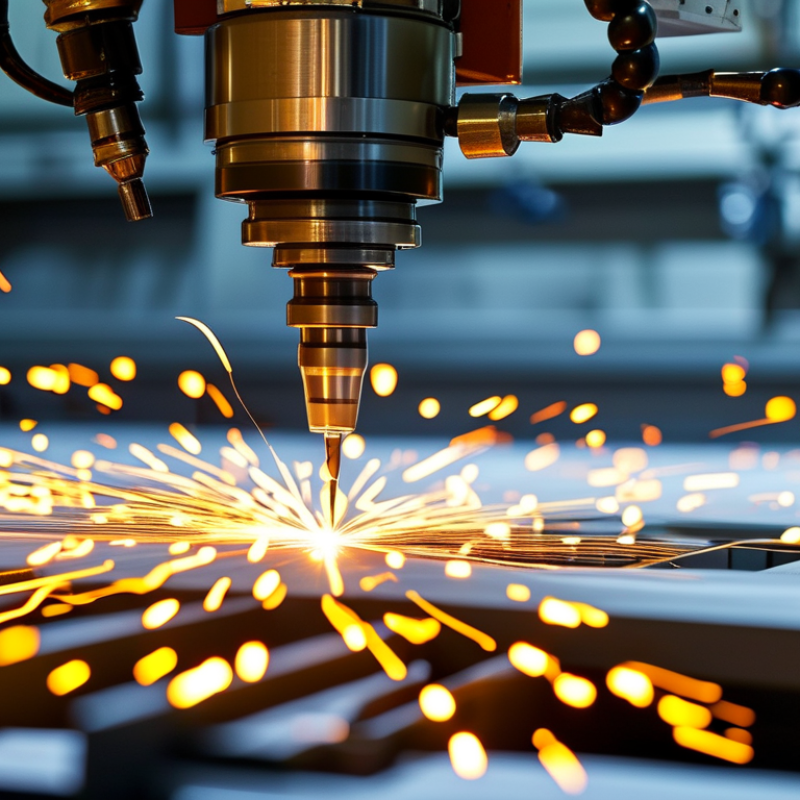
CNC metal cutting plays a pivotal role in modern manufacturing. This technology enhances precision in metal fabrication. It allows for detailed designs that meet strict specifications. Using computer numerical control, manufacturers can achieve unmatched accuracy. The result is reduced waste and improved efficiency. With rising global demand, this capability is essential.
The reliance on CNC technology also addresses challenges. Traditional methods often lead to inconsistencies. This can be costly, both financially and in time. CNC cutting minimizes these risks. However, the transition requires skilled personnel. Training is necessary to ensure proper operation. Mistakes during programming can yield flawed parts.
Moreover, maintaining CNC machines is crucial. It involves regular checks and calibration. Neglecting maintenance can lead to downtime and losses. Companies must plan for these realities. Balancing high-tech solutions with human oversight proves vital. As industries evolve, the importance of CNC cutting will only grow.
Importance of CNC Metal Cutting in Modern Manufacturing
Benefits of CNC Metal Cutting for Global Supply Chain Efficiency
CNC metal cutting has become a vital process in enhancing supply chain efficiency for global suppliers. According to a report by Market Research Future, the CNC machining market is expected to reach $100 billion by 2025. This growing trend highlights the demand for precision and speed in manufacturing.
The benefits of CNC metal cutting are substantial. It reduces lead times significantly. A study from the National Institute of Standards and Technology indicated that companies using CNC processes can cut production time by up to 75%. This efficiency allows suppliers to respond to market needs quickly. However, this rapid adaptation may sometimes lead to oversights in quality control, necessitating vigilant monitoring.
Moreover, CNC technology minimizes material waste. According to a recent industry survey, up to 30% of raw material can be wasted in traditional machining methods. CNC cutting optimizes material usage, leading to more sustainable practices. Nevertheless, transitioning to this technology requires significant investment. Companies must weigh these initial costs against long-term savings and improved efficiency.
Impact of CNC Technology on Precision and Quality in Metal Parts
CNC metal cutting has transformed the manufacturing landscape, significantly impacting precision and quality in the production of metal parts. According to a report by the Global Industry Analysts, the CNC machining market is projected to reach over $100 billion by 2027. This growth reflects the increasing demand for high-quality components across various sectors.
Precision is crucial in metal parts, especially in industries such as aerospace and automotive. A study from the National Institute of Standards and Technology (NIST) highlights that CNC machining can achieve tolerances as tight as ±0.005 inches. This level of accuracy is essential for the functionality and safety of complex assemblies. Despite these advancements, challenges remain. Variabilities in material quality and machine calibration can lead to inconsistencies.
Quality assurance processes are vital in CNC operations. Implementing statistical process control can significantly reduce defects. A report from the International Journal of Advanced Manufacturing Technology indicates that companies utilizing such measures see defect rates drop by 30%. However, reliance solely on technology may lead to complacency; human oversight still plays a critical role in ensuring standards are met. Emphasizing training and skill development among operators is essential for sustaining quality and precision through CNC technologies.
Cost-Effectiveness of CNC Metal Cutting for Suppliers Worldwide
CNC metal cutting plays a vital role in enhancing cost-effectiveness for suppliers around the globe. It allows precise cuts and shapes, reducing waste and saving material costs. Suppliers can create complex designs with consistency. This benefits industries from automotive to aerospace, where precision is non-negotiable.
Utilizing CNC technology can significantly lower labor costs. Machines operate efficiently, reducing the need for extensive manual labor. However, initial investment in CNC machinery can be high. This can deter some smaller suppliers. Yet, the long-term savings often outweigh this upfront cost. Businesses must weigh this risk carefully.
Global suppliers must adapt to market demands. CNC metal cutting offers flexibility to produce varying quantities quickly. This capability supports just-in-time manufacturing, which is pivotal in today’s fast-paced market. The question remains: Is the investment viable for all suppliers? Only time and careful planning will tell.
Emerging Trends in CNC Metal Cutting and Their Significance for Suppliers
CNC metal cutting is evolving, driven by technological and market demands. Suppliers must adapt to emerging trends to stay competitive. Precision is paramount. Techniques like laser cutting and waterjet machining enhance accuracy. These methods reduce material waste, optimizing production processes.
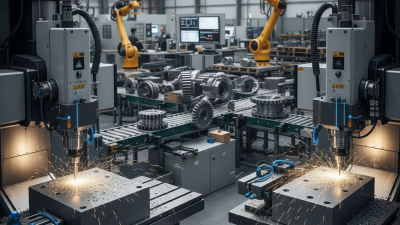
Automation is another significant trend. Robotics are increasingly integrated into CNC systems. This integration boosts efficiency and minimizes human error. However, reliance on automation raises concerns about job displacement. Suppliers must find a balance between leveraging technology and ensuring a skilled workforce.
Sustainability is critical as well. Eco-friendly practices in CNC cutting reduce environmental impact. Suppliers face pressure to adopt green technologies. It’s a journey, not a destination. While many companies make strides, others lag behind. Focusing on continuous improvement can address these gaps and promote long-term success.
Why Is CNC Metal Cutting Essential for Global Suppliers? - Emerging Trends in CNC Metal Cutting and Their Significance for Suppliers
| Trend |
Description |
Impact on Suppliers |
Future Projections |
| Automation |
Increased use of automated CNC machines for precision cutting. |
Enhanced efficiency and reduced human error. |
Expected growth in automation usage by 20% over the next five years. |
| Material Innovation |
Development of new alloys and composite materials. |
Ability to cater to diverse industry needs and enhance product offerings. |
Projected increase in demand for advanced materials by 15% annually. |
| Sustainability |
Focus on eco-friendly cutting processes and waste reduction. |
Improved brand image and compliance with regulations. |
Sustainability practices expected to be a standard by 2025. |
| Software Integration |
Enhanced software for design and production planning. |
Streamlined operations and improved throughput. |
Integration of AI and machine learning expected to rise 25% in the next three years. |
| Globalization |
Increased competition from manufacturers worldwide. |
Need for suppliers to improve quality and reduce prices. |
Global competition expected to intensify, pushing for innovation. |