Top 10 CNC Parts Buyers Need to Know for Global Sourcing?
In today's competitive manufacturing landscape, understanding CNC parts is essential for global sourcing. A recent report from Gartner highlights that the global CNC machining market is projected to reach $117.08 billion by 2027. This growth underscores the increasing reliance on precision components across various industries, including automotive and aerospace. As manufacturers seek to optimize supply chains, knowing which CNC parts to prioritize can lead to significant cost savings and efficiency improvements.
However, sourcing CNC parts can be complex. Often, buyers face challenges such as fluctuating prices and varying quality standards among suppliers. Another study from MarketsandMarkets indicates that nearly 60% of sourcing failures are linked to inadequate supplier evaluation processes. Therefore, it is critical for buyers to thoroughly assess potential vendors. Material specifications, production capabilities, and quality certifications should be evaluated meticulously.
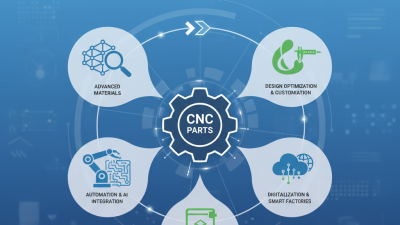
Moreover, the trend towards automation and smart manufacturing adds another layer of complexity. While many manufacturers embrace these innovations, there remains a need for traditional CNC parts to complement new technologies. Buyers must balance innovation with practicality, ensuring that their sourcing strategies align with current market demands while remaining adaptable to future changes. Understanding these nuances can greatly enhance sourcing outcomes.
Essential CNC Parts Every Buyer Should Be Aware Of
When sourcing CNC (Computer Numerical Control) parts globally, buyers need to be familiar with key components. The right parts ensure operational efficiency and product quality. Below are essential CNC parts every buyer should know about.
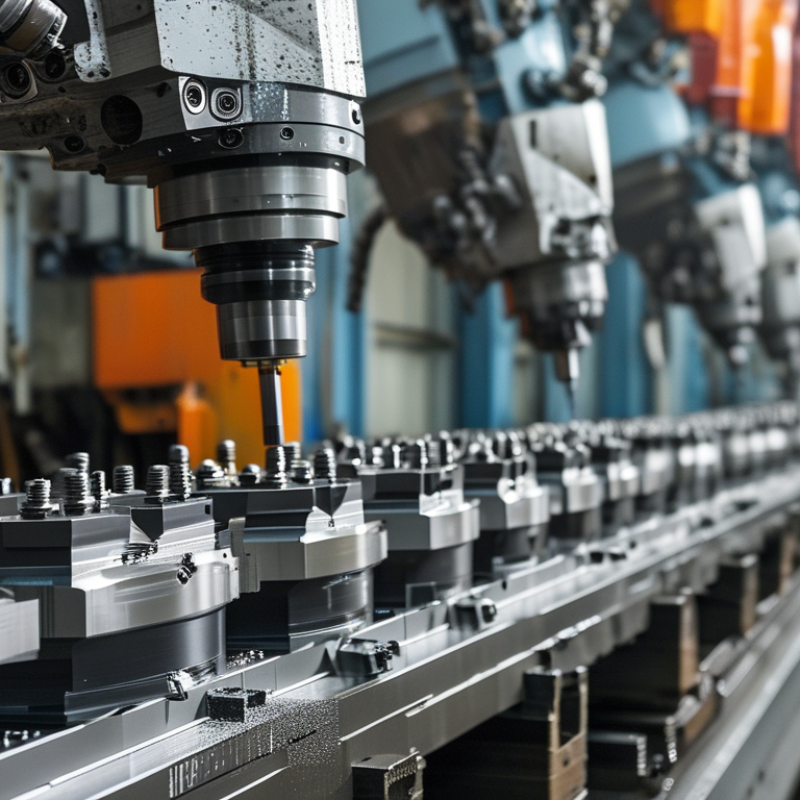
CNC milling machines often require various precision tools, such as end mills. These tools can greatly affect the machining accuracy. Buyers must ensure they are sourcing high-quality materials. Poor quality can lead to increased wear and tear.
Another critical component is the CNC router bit. These bits shape materials with great precision. Choosing the right router bits enhances productivity. However, many buyers overlook the importance of tool coatings. Coatings can significantly increase tool life.
Tips for effective sourcing include:
- Researching suppliers thoroughly.
- Checking their credentials, production standards, and client reviews.
- Building relationships with trustworthy suppliers for better pricing.
- Maintaining communication with manufacturers to address potential issues quickly.
This way, any complications can be managed before they escalate.
Understanding Materials Used in CNC Manufacturing
When sourcing CNC parts, understanding the materials used in their manufacturing is crucial. Different materials affect durability, weight, and cost. Common metals include aluminum, steel, and copper. Aluminum is lightweight, making it ideal for aerospace components. Steel, on the other hand, offers higher strength but adds weight. Copper is excellent for electrical parts due to its conductivity.
Beyond metals, polymers are gaining traction in CNC manufacturing. Nylon and PEEK are popular choices. These materials are resistant to wear and chemicals, making them suitable for various applications. However, they do have limitations, such as temperature resistance compared to metals. As buyers explore options, consider not just the material but also how it aligns with specific project needs.
Assessing material properties is undeniably challenging. Often, what works in theory may not perform as expected in real-world applications. Engaging with suppliers who have material expertise can help clarify choices. Be prepared for some trial and error. Documenting material performance over time can provide insights for future sourcing decisions.
Key Specifications to Evaluate CNC Parts Quality
When sourcing CNC parts globally, evaluating quality is crucial. A recent industry report indicates that nearly 30% of sourced parts fail to meet quality standards due to improper specifications. Buyers should focus on essential criteria like material composition and tolerance levels. These factors directly impact the performance and longevity of the parts. For example, aluminum alloys are often preferred for their lightweight and strength, yet variability in alloy grades can lead to significant differences in performance.
Another critical specification is the surface finish. Rough surfaces can cause friction, diminishing the efficiency of the final product. Industry surveys reveal that 40% of manufacturers experienced issues related to surface quality. Ensuring clear communication of desired finishes is key. Additionally, dimensional accuracy should never be overlooked. Parts should meet a tolerance level of ±0.01 mm to ensure proper fit and function. A lack of precision can result in costly rework or failures in assembly.
Testing methods also vary and play a role in quality assessment. Buyers should consider processes such as X-ray inspection and ultrasonic testing. Recent data shows that 25% of manufacturers plan to invest in advanced testing technologies. This reflects an industry shift toward stricter quality control measures. Adopting such evaluations can help buyers mitigate risks associated with sourcing CNC parts globally.
Top 10 CNC Parts Buyers Need to Know for Global Sourcing
| CNC Part |
Material |
Tolerance |
Surface Finish |
Application |
| Part A |
Aluminum alloy |
±0.01 mm |
Anodized |
Aerospace |
| Part B |
Stainless steel |
±0.05 mm |
Polished |
Medical equipment |
| Part C |
Mild steel |
±0.1 mm |
Galvanized |
Automotive |
| Part D |
Titanium |
±0.02 mm |
Surface treated |
Defense |
| Part E |
Brass |
±0.03 mm |
Lacquered |
Electronics |
Reliable Suppliers and Their Role in Global Sourcing
Reliable suppliers play a crucial role in global sourcing for CNC parts. They ensure that the parts meet high-quality standards. In this industry, quality control is essential. A reliable supplier actively maintains strict quality assurance processes. This guarantees that every component is manufactured with precision.
Communication is another vital factor. Good suppliers provide clear and timely updates on production status. They understand the urgency in manufacturing timelines. Delays can lead to significant project setbacks. Therefore, having a dependable supplier helps mitigate risks and enhances efficiency.
Selecting the right supplier requires due diligence. Buyers should assess potential partners thoroughly. Look for evidence of certifications and industry experience. Reviews from other clients can provide insight into reliability. Buyers must remain vigilant, as not all suppliers uphold the same standards. An imperfect track record could lead to lost time and resources. Global sourcing demands a strategic approach to supplier relationships.
Trends in CNC Parts Production and Sourcing Strategies
In recent years, CNC parts production has seen significant trends that impact global sourcing strategies. Many companies are shifting to automated systems, which enhance efficiency and precision. Automation reduces human error and speeds up the manufacturing process. However, businesses must also invest in skilled workers capable of operating and maintaining these advanced systems.
Another critical trend is the rise of additive manufacturing. This technology allows for more complex designs and reduced waste. It’s ideal for prototyping and small batch production. Yet, reliance on new technologies can bring challenges. Companies need to evaluate the quality and durability of these parts. Not every supplier can guarantee consistent results.
Sourcing strategies are evolving as well. Companies are prioritizing sustainable practices and ethical sourcing. Transparency in the supply chain is crucial. Buyers should assess suppliers' environmental policies and labor conditions. A focus on sustainability can enhance a brand’s reputation. However, sourcing sustainably may come at a higher cost. Balancing price and ethical considerations is imperative for modern buyers.