
10 CNC Turning Tips for Global Buyers to Choose Suppliers
Choosing a supplier for cnc turning is not just a price comparison. A low quote can hide extra setup charges, long lead times, or limited inspection. A polished website proves little. The real evidence sits in the shop: a calibrated micrometer beside the machine, clear inspection records, and parts that match the drawing batch after batch.
CNC programming author Peter Smid is a recognized voice in the field. A practical reminder aligned with his work is: “A reliable result starts with a controlled process, not just a capable machine.” Buyers should test that principle with specific questions. Ask how the supplier manages tool wear, verifies first-article parts, and maintains tight tolerances across repeat orders. Request sample inspection reports, material traceability details, and a clear explanation of any proposed design changes. Small details matter.
A useful supplier also explains limits plainly. Can the shop hold a 0.02 mm tolerance on the chosen material, or does it need a design adjustment? What happens if a batch fails inspection? Direct answers are more valuable than broad promises. Still, no checklist can predict every production issue. I would treat a successful sample as evidence, not a guarantee. These ten tips help global buyers compare machining capability, quality controls, communication, and delivery risk before committing to a cnc turning partner.
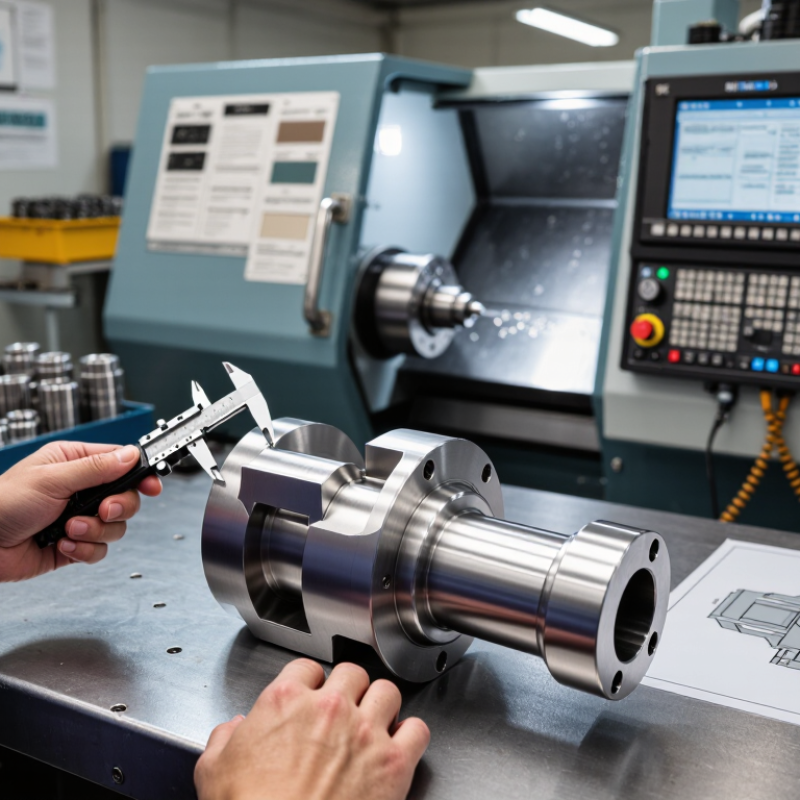
Define Your CNC Turning Requirements and Application Needs
Before requesting a quote, define what the turned part must do in its real assembly. Specify the material grade and condition, finished dimensions, critical tolerances, surface finish, and any threads, grooves, or holes. Include the part’s load, temperature, and exposure to moisture or chemicals. Small details matter. A shaft supporting a bearing, for example, may need tighter control on its bearing seat than on its nonfunctional end.
Grand View Research estimated the global CNC machine market at USD 101.22 billion in 2024. This broad market figure reflects the scale of CNC manufacturing, but it does not tell you whether a supplier can meet your specific process needs. Ask for the proposed turning sequence, inspection method, and measurement equipment for critical features. Also share expected annual volume, batch size, and forecast changes; these affect setup choices and unit cost. A first-article inspection can help confirm that the drawing and production process agree.
One easy-to-miss gap is the difference between a nominal requirement and a functional one. A tolerance copied from an older drawing may look safe, yet add machining and inspection cost without improving performance. Review each tight tolerance against fit, motion, or sealing needs. If the application is still evolving, say so; unclear requirements can lead to polished quotes for the wrong part.
| Requirement | What to Define | Illustrative Example | Why It Matters When Selecting a Supplier |
|---|---|---|---|
| 1. Part function and operating environment | Describe what the part does, how it connects to other parts, and its exposure to load, temperature, moisture, chemicals, or wear. | A rotating shaft for indoor equipment, operating at ambient temperature with moderate radial load. | The application helps the supplier assess material, features, inspection needs, and whether turning alone is sufficient. |
| 2. Material and condition | Specify the material grade, required material condition, and any relevant mechanical or corrosion-resistance requirements. | Aluminum 6061-T6 for a lightweight machined housing; specify the grade on the drawing or purchase specification. | Different alloys and conditions affect machinability, tool wear, achievable finish, lead time, and material documentation. |
| 3. Part size and geometry | Provide a dimensioned drawing or 3D model showing overall length, diameters, shoulders, grooves, bores, chamfers, and other features. | A turned pin with a 20 mm nominal diameter, 80 mm overall length, and a 6 mm axial bore. | Geometry determines machine capacity, workholding method, tooling access, and whether secondary operations are needed. |
| 4. Critical dimensions and tolerances | Identify functional dimensions and assign explicit tolerances to them. Use general tolerances only for dimensions that do not need tighter control. | A bearing seat of Ø20.00 ±0.02 mm, with non-critical overall length held to ±0.10 mm. | Tighter tolerances can increase machining time, inspection effort, and cost. Suppliers need to confirm capability against the actual drawing. |
| 5. Surface finish | Specify surface roughness where it affects sealing, sliding, bearing fit, appearance, or another functional requirement. | Ra 1.6 µm on a bearing seat; no special roughness requirement on non-functional faces unless shown on the drawing. | Surface finish requirements influence cutting parameters, finishing passes, measurement methods, and pricing. |
| 6. Threads and mating features | State thread standard, nominal size, pitch, tolerance class, thread depth, and any required entry chamfer or inspection method. | M12 × 1.75 internal thread, specified thread class and usable depth shown on the drawing. | Complete thread details prevent mismatches between parts made to different standards or intended for different mating components. |
| 7. Quantity and order pattern | Give the prototype quantity, expected production quantity, annual demand, and likely release frequency. | 10 prototype pieces, followed by an estimated 1,000 pieces per year in quarterly releases. | Quantity and release pattern affect setup-cost allocation, stock planning, production scheduling, and unit pricing. |
| 8. Secondary operations and finish | List required operations after turning, such as milling, drilling, deburring, heat treatment, coating, or cleaning. | Turned and cross-drilled component, edges deburred, then anodized where specified. | Clarifying the complete process helps suppliers quote the finished part rather than an incomplete machining step. |
| 9. Inspection and documentation | Define inspection characteristics, sampling expectations, material certificates, first-article reports, and any traceability requirements. | First-article dimensional report for critical drawing dimensions and material certification when required by the purchase order. | Clear documentation requirements help align quality checks, records, and acceptance criteria before production starts. |
| 10. Packaging, shipping, and delivery | Specify protection against scratches or corrosion, labeling, delivery destination, required delivery date, and shipment terms. | Individually separated parts to protect finished surfaces, with quantity and part-revision labels on each package. | Packaging and delivery needs can affect handling, freight planning, lead time, and the condition of parts on arrival. |
| Note: The examples are illustrative starting points, not universal machining limits. Final requirements should be stated on the controlled drawing and purchase specification; supplier capability depends on part geometry, material, equipment, tooling, and inspection method. | |||
Related Posts
-

2025 Top 10 Trends in CNC Manufacturing Revolutionizing the Industry
-

How to Use CNC Cutting Techniques for Precision Fabrication in 2025
-
How to Choose the Right CNC Milling Machine for Your Projects
-

Why is CNC Manufacturing Essential for Modern Industries?
-
What is a CNC milling machine and how does it work?
-
2026 Best CNC Metal Cutting Techniques for Precision and Efficiency?