Essential Tips for Sourcing Cold Rolled Steel Efficiently
Sourcing Cold Rolled Steel efficiently can significantly impact your operations. This material is crucial for various industries, including construction and manufacturing. However, challenges often arise in the sourcing process. Understanding market trends and supplier capabilities is vital.
Cold Rolled Steel offers excellent tensile strength and surface finish, but finding reliable sources is not always straightforward. Fluctuating prices and varying quality can complicate procurement. Buyers must conduct thorough research and engage with trusted suppliers to navigate these challenges successfully.
Many companies overlook the importance of building strong relationships in sourcing. Communication with suppliers can lead to better pricing and timely deliveries. Reflecting on past sourcing experiences can reveal gaps in strategy and areas for improvement. Ultimately, a strategic approach to sourcing Cold Rolled Steel can enhance your supply chain efficiency.
Understanding Cold Rolled Steel and Its Applications
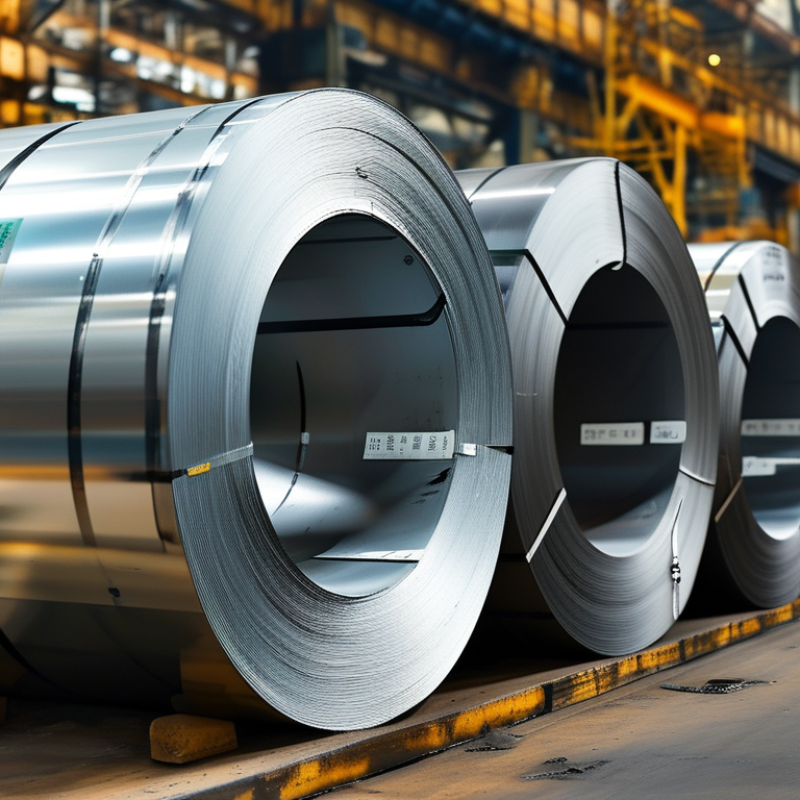
Cold rolled steel is a vital material in various industrial applications. It is produced through the cold reduction of Hot Rolled Steel. This process results in thinner gauges and improved surface finish. The material is strong and durable, making it ideal for automotive, construction, and appliance industries. According to the American Iron and Steel Institute, cold rolled steel constitutes roughly 14% of the total steel market.
The advantages of cold rolled steel include enhanced mechanical properties. The material exhibits higher strength due to work hardening. This can lead to reduced thickness in product design, which is increasingly essential in energy-efficient applications. However, manufacturers must also consider its limitations. It may have higher costs compared to hot rolled variants. Additionally, its brittleness can be a concern if not adequately managed.
While cold rolled steel is widely used, challenges exist in sourcing efficiently. Availability can be an issue during high-demand periods. Markets may fluctuate, affecting prices and lead times. Companies seeking to procure this material should analyze data trends. Reports from industry experts show a steady increase in demand, further emphasizing the importance of strategic sourcing practices. Careful planning is crucial to ensure a reliable supply chain, avoiding potential disruptions.
Essential Tips for Sourcing Cold Rolled Steel Efficiently
| Dimension | Thickness (mm) | Width (mm) | Length (mm) | Application |
| Standard Sheet | 0.5 | 1000 | 2000 | Automotive Parts |
| High Strength Sheet | 0.8 | 1250 | 2500 | Construction |
| Coil | 1.0 | 1500 | N/A | Manufacturing |
| Metal Strips | 0.6 | 500 | 1000 | Electrical Components |
| Plate | 2.0 | 2000 | 3000 | Heavy Machinery |
Key Factors Influencing Cold Rolled Steel Sourcing Decisions
When sourcing cold rolled steel, key factors can significantly influence your decision-making. Understanding market demand is crucial. According to a report by the Steel Association, the global cold rolled steel market is expected to grow by 4.5% annually. This demand impacts pricing and availability. Consequently, staying updated on these trends can shape sourcing strategies.
Quality standards are non-negotiable. Always verify material certifications and supplier reliability. Reports indicate that nearly 30% of sourcing failures stem from quality issues. This emphasizes the need for a thorough vetting process. Regular audits and supplier relationships are vital.
Tip: Develop strong relationships with multiple suppliers. This reduces reliance on any single source and enhances negotiation power.
It's also important to assess logistical considerations. Shipping costs can eat into profitability. As the market evolves, consider regional suppliers who can offer competitive rates. Remember, local sourcing may provide faster turnaround times, which can be critical for project timelines. Balancing cost-effectiveness and quality requires constant evaluation.
Essential Tips for Sourcing Cold Rolled Steel Efficiently
Evaluating Suppliers for Cold Rolled Steel: What to Look For
When sourcing cold rolled steel, evaluating suppliers is crucial for efficiency and quality. The right supplier can enhance your production and reduce costs. According to a report by the World Steel Association, the global demand for cold rolled steel is expected to rise by 3% annually. This trend highlights the importance of selecting providers who can meet increasing needs.
Key factors to consider include quality certifications and production capacity. Verify if suppliers possess ISO 9001 certification, indicating high-quality management practices. Look for suppliers with modern facilities capable of handling large orders. Experience matters too; companies with a history in the market often have established reputations.
Tips: Always request samples before committing. This helps verify the quality of the steel. Be aware, however, that even established suppliers may face challenges such as fluctuating raw material prices. This can affect their pricing strategies.
Finally, consider customer service reliability. Efficient communication can greatly impact your project timelines. A supplier's responsiveness is paramount. Seek feedback from their existing clients for insights into their service quality.
Cost Management Strategies in Sourcing Cold Rolled Steel
Sourcing cold rolled steel effectively requires a keen focus on cost management strategies. According to recent industry reports, the price of cold rolled steel has seen fluctuations of up to 20% annually. Companies must anticipate these changes to maintain their budgets. Proactive sourcing and negotiation play a crucial role in avoiding price spikes.
One effective tip for managing costs is to establish long-term relationships with reliable suppliers. A strategic partnership can yield benefits such as better pricing and prioritization during supply shortages. This approach can also help companies access bulk pricing effectively, ultimately leading to significant savings over time.
Another strategy involves leveraging market data for better forecasting. For instance, monitoring industry trends and production rates can inform purchasing decisions. A recent survey indicated that 68% of procurement managers rely on analytics for sourcing decisions. Keeping a close watch on economic indicators can help businesses make informed purchases, minimizing risks associated with sudden price changes.
Best Practices for Procurement and Logistics in Cold Rolled Steel Supply
When sourcing cold rolled steel, logistics and procurement play crucial roles. Efficiency is paramount to minimize costs and maximize quality. Assess your suppliers carefully. Look for those who understand your specific needs. A good supplier can adapt their processes to fit your production schedule.
Communication is vital throughout the procurement process. Regular updates can prevent misalignment and delays. Consider using digital platforms for tracking orders and inventory. This transparency fosters trust and accountability. Tips for successful procurement include negotiating terms early. Look for opportunities to save on bulk orders, without compromising quality.
Logistics should not be an afterthought. Transport coordination affects timelines. Ensure you understand delivery options and costs. Evaluate potential bottlenecks in the supply chain. Have a contingency plan for unforeseen delays. Reflect on previous challenges you’ve faced. Analyze what went wrong and learn from it. Constantly refining your approach leads to better sourcing strategies.
