2026 How to Use a Laser Cutter for Beginners?
The popularity of laser cutters has surged in recent years, making them essential tools for makers and small businesses. According to a report from the International Market Analysis Research and Consulting Group, the global laser cutter market is projected to reach $5.7 billion by 2026. This growth can be attributed to advancements in technology and a growing demand for precision fabrication.
Beginner users might find laser cutters daunting at first. However, their versatility in cutting various materials makes them indispensable. Users can create intricate designs on wood, acrylic, and even textiles. The ability to achieve high accuracy is crucial for professionals in industries like architecture and product design, where precision matters.
As promising as laser cutters are, they come with challenges. Beginners must navigate software and settings that seem overwhelming. Misunderstanding parameters can lead to flawed outputs. Yet, with practice and guidance, these tools can unlock creative potential. Emphasizing safety and best practices is essential, especially for those new to laser cutting.
Understanding Laser Cutters: Types and Technologies
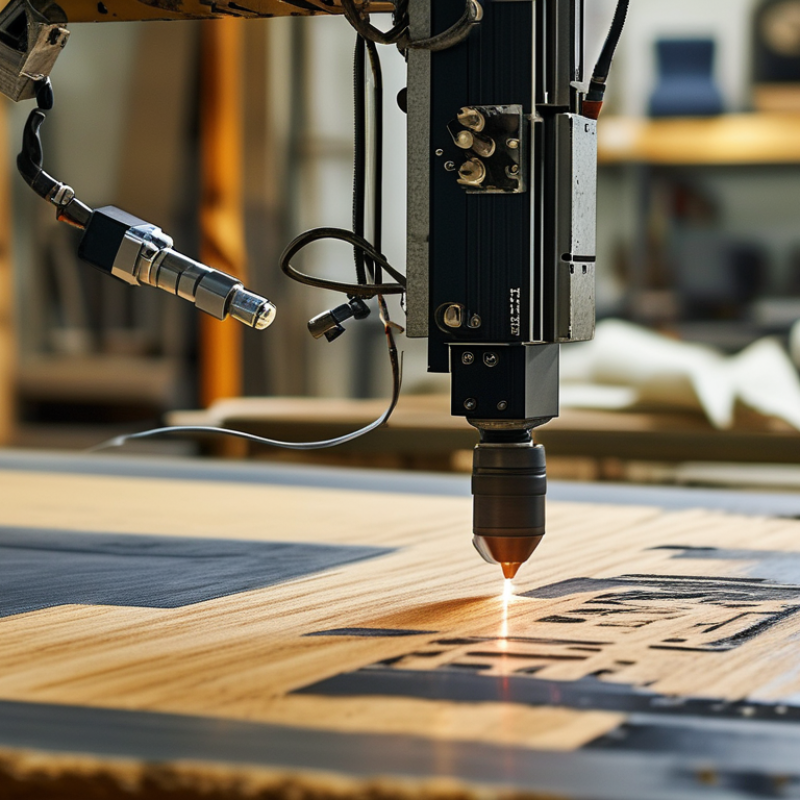
Laser cutters have become essential tools in various industries, offering precision and efficiency. Understanding the different types of laser cutters and their underlying technologies is crucial for any beginner. Generally, there are two main types: CO2 and fiber lasers. CO2 lasers excel in cutting non-metals like wood and acrylic with a high-quality finish. In contrast, fiber lasers are ideal for metals, delivering speed and energy efficiency. Reports indicate that the laser cutting market is expected to reach $5.7 billion by 2025, driven by technological advancements and growing applications.
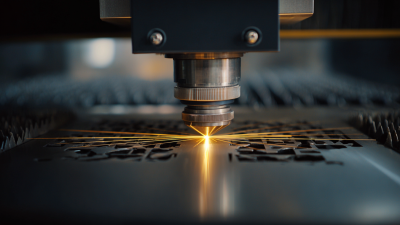
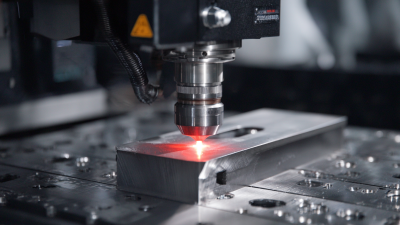
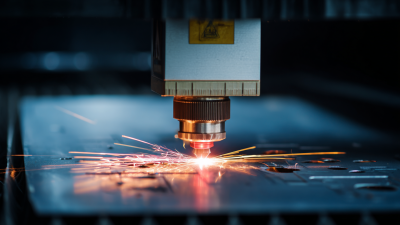
The technology behind laser cutters involves creating a focused beam of light. This beam vaporizes or melts the material, resulting in a clean cut. Laser cutters can vary significantly in terms of power, precision, and speed. Beginners often overlook the impact of wattage on cutting efficiency. Higher wattage produces faster cuts but may burn the material if improperly handled. Additionally, choosing the right lens can affect the focus and depth of the cut, leading to varied results. Consider that not every cut will go perfectly; material inconsistencies can complicate your project.
Reflecting on these aspects can enhance your understanding. Not all materials behave the same under a laser, which can lead to unexpected outcomes. For example, some plastics may release harmful fumes when cut. Safety should always be paramount. Using appropriate ventilation and personal protective equipment is essential. Investing time in learning about your specific laser cutter will pay off in better results.
Choosing the Right Laser Cutter for Your Projects
Choosing the right laser cutter is essential for your projects.
Many factors should influence your choice. Consider the material you wish to use. Some cutters excel with wood, while others are better suited for acrylic or metal.
Understanding these details can help you select a model that meets your needs.
When selecting a laser cutter, think about the size of your projects. A larger work area allows for bigger designs but may cost more.
If you plan to work on small items, a compact machine could suffice.
Remember, a mismatch between project size and cutter capability could lead to frustration.
Tips: Start with a budget in mind. It helps narrow your options.
Research different machine types before making a decision.
Online forums and tutorials can provide insight from users like you. Lastly, inspect the warranty.
A good warranty can indicate reliability but also make you rethink if the product is truly trustworthy.
Safety Precautions When Using a Laser Cutter
Using a laser cutter can be exciting, but safety must come first. Always wear protective eyewear to shield your eyes from harmful laser beams. The right gear is essential; it protects you from bright light and debris. It's easy to underestimate these risks, but proper attire can save you from injuries.
Ensure your workspace is well-ventilated. Laser cutting generates fumes and smoke that can be harmful when inhaled. A fan or dedicated exhaust system can help. Additionally, it's crucial to keep flammable materials away from the cutting area. Despite careful planning, accidents can happen, so being cautious is imperative.
Familiarize yourself with the machine's manual before using it. Understand the emergency stop button's location and function. This preparation is vital; reacting quickly can prevent injuries. Always double-check your settings. A small mistake can lead to significant mishaps. Reflecting on previous experiences can enhance your safety measures. Being mindful of these precautions will help you develop safe work habits.
Laser Cutter Safety Precautions - Beginner's Guide
Step-by-Step Guide to Preparing Files for Cutting
When preparing files for laser cutting, the first step is to choose the right software. Many prefer vector graphics software like Adobe Illustrator or CorelDRAW. These programs allow for precise design. According to a survey by the Fab Foundation, 58% of makers use vector formats for their laser projects. This choice enhances accuracy and detail in the cutting process, ensuring high-quality results.
Next, it’s crucial to set your file dimensions correctly. Every laser cutter has a specific cutting area. Professionals recommend creating designs that fit comfortably within these boundaries. Furthermore, pay attention to the DPI (dots per inch). A standard 300 DPI is often sufficient for intricate designs. Yet, some files may require adjustments. This can lead to unforeseen issues during cutting.
Additionally, color coding can indicate different cutting actions. For example, red might signify cutting lines, while blue represents engraving paths. This method improves workflow efficiency. However, be cautious with overly complex designs. They can pose challenges, like longer processing times. Always test your design on scrap material to identify any potential flaws.
Basic Maintenance Tips for Keeping Your Laser Cutter in Shape
Maintaining your laser cutter is essential for consistent performance. Regular maintenance can extend the lifespan of the machine and produce better results. Start by cleaning the lens and mirrors regularly to ensure optimal laser focus. Dust and residue can impact precision. Use a soft cloth and appropriate cleaning solution for this task.
It's also vital to check the alignment of the laser beam. Misalignment can lead to uneven cuts and potential damage. Take time to adjust the mirrors as needed. Regularly inspect the belts and pulleys as well. Any signs of wear should be addressed immediately to avoid further issues.
Another critical aspect is software updates. Keeping your software current ensures you get the latest features and fixes. Backup your projects regularly as a precaution. Even small oversights can lead to bigger problems down the line. Remember, maintenance is a continuous process, not a one-time task.