What is a Laser Metal Cutting Machine and How Does It Work?
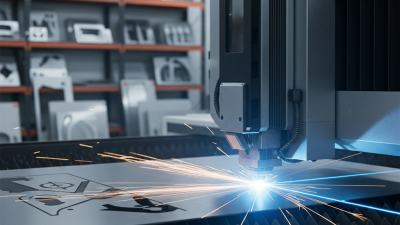
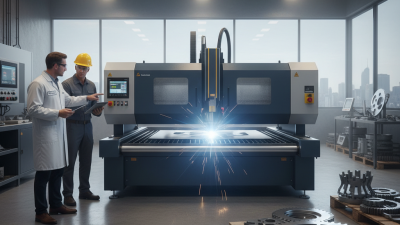
In the rapidly evolving world of manufacturing, the laser metal cutting machine stands out as a revolutionary tool. According to Dr. Emily Turner, a recognized expert in precision engineering, “The laser metal cutting machine is not just a tool; it's a game changer.” This powerful machinery utilizes focused laser beams to slice through metals with unmatched precision and efficiency.
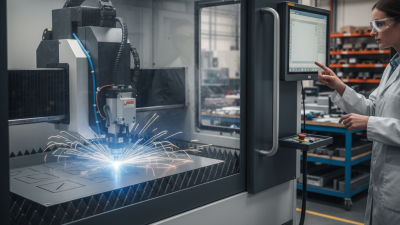
Laser metal cutting machines function by directing high-powered beams onto the material, allowing for intricate designs and exact shapes. This technology has transformed industries such as automotive and aerospace, where precision is critical. The process is efficient but also requires careful regulation to maintain optimal performance. Misalignment or improper settings can lead to imperfect cuts, necessitating a thorough understanding of the machinery.
While the benefits of laser metal cutting machines are substantial, challenges persist. Operators must continually adapt to advancements in technology and safety protocols. The reliance on such sophisticated machinery raises questions about training and skill retention in the workforce. As industries embrace laser technology, the conversation around training and safety becomes increasingly important.
What is a Laser Metal Cutting Machine?
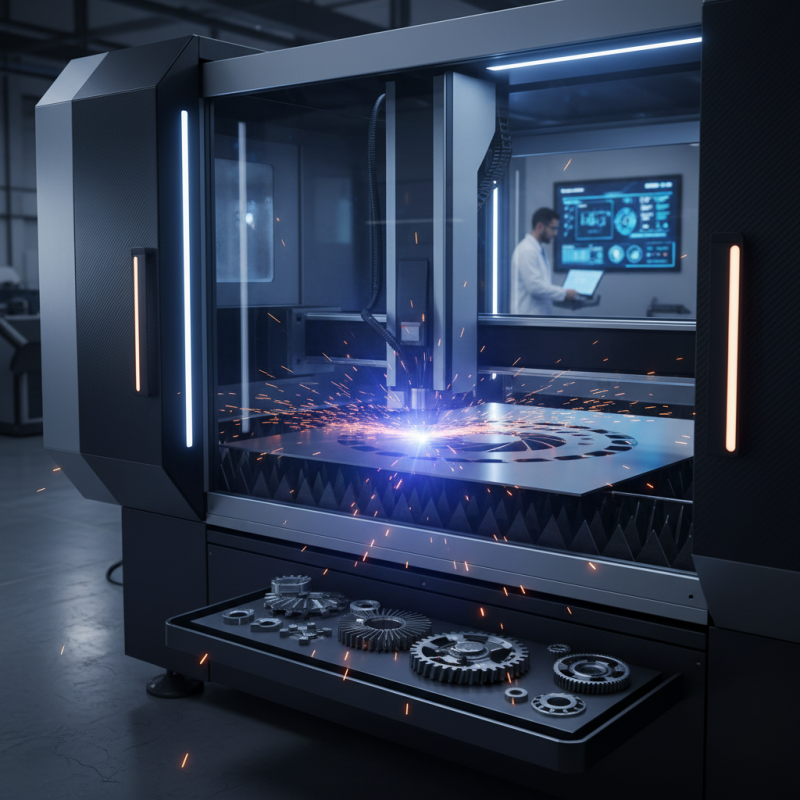
A laser metal cutting machine is a powerful tool used to cut various types of metals with precision. It utilizes a focused beam of light, created by a laser, to melt or burn through metal materials. This process can achieve intricate designs and patterns. As a result, it's popular in industries like manufacturing, automotive, and aerospace.
The mechanism behind a laser cutting machine involves several components. A laser source generates the beam. Mirrors direct this beam onto the material. High-energy lasers can cut through thick metals quickly. The resulting cuts are clean and often require little to no finishing. However, it's essential to understand that this technology requires careful setup and regular maintenance to ensure optimal performance.
Though laser cutting is efficient, it’s not without challenges. The initial investment can be high. Operators need training to handle the machines safely and effectively. Not all metals are easy to cut using this technology. Some materials may reflect the laser beam, causing difficulties. Understanding these limitations is crucial for anyone looking to use laser cutting in their projects.
Laser Metal Cutting Machine Performance Comparison
Key Components of a Laser Metal Cutting Machine
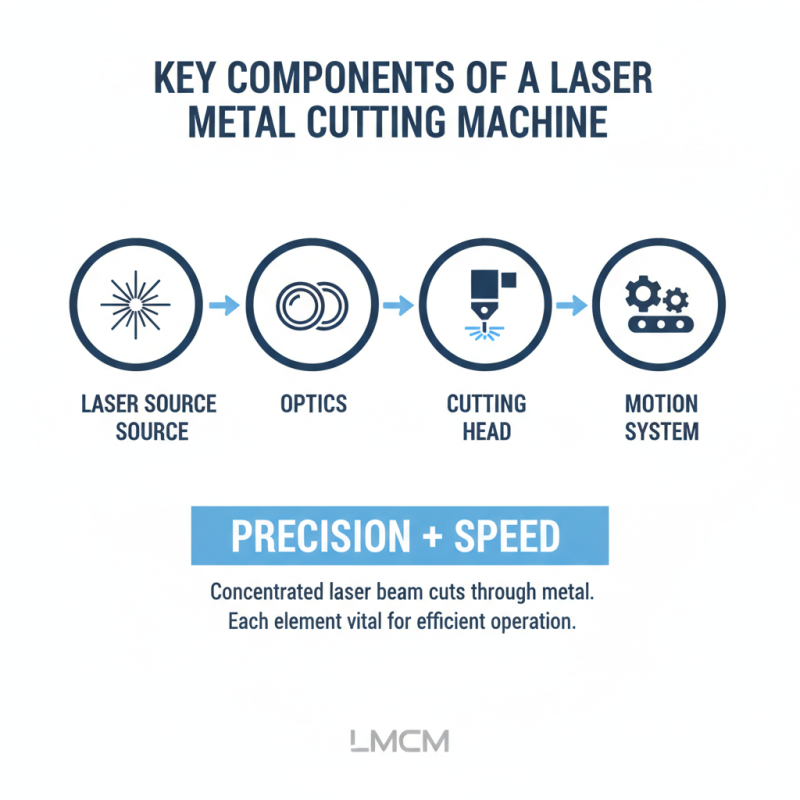
A laser metal cutting machine is an advanced tool that employs concentrated laser beams to cut through various metals. Understanding its key components is crucial to grasp how it operates efficiently. A typical machine consists of a laser source, optics, a cutting head, and a motion system. Each element plays a vital role in achieving precision and speed during the cutting process.
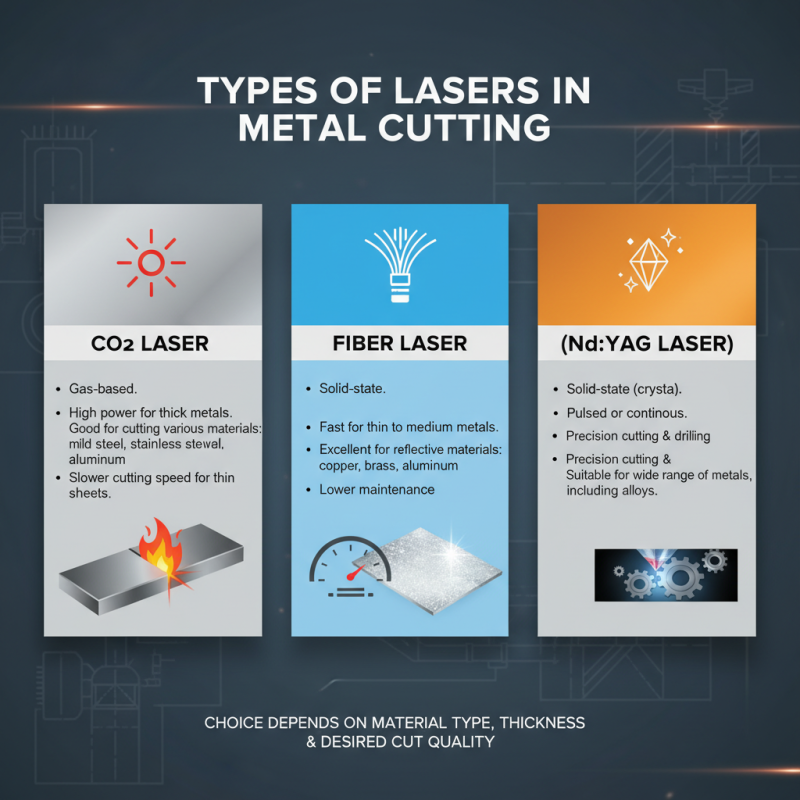
The laser source generates high-intensity light, often using CO2 or fiber lasers. According to a report by Grand View Research, the global fiber laser market is expected to reach $14.74 billion by 2025. This growth indicates a rising preference for fiber lasers due to their efficiency and lower maintenance costs. The optics help focus the laser beam onto the material, enhancing the accuracy of the cut. Meanwhile, the cutting head, equipped with assist gases, helps control the process and improves the quality of the cut.
A reliable motion system ensures the laser head moves smoothly across the workpiece. This component can significantly affect the overall cutting speed and accuracy. Studies show that the right combination of these components can lead to cutting speeds exceeding 20 meters per minute in thick metals. However, operators must use caution with setups and calibrations. Poor adjustments can result in subpar cuts or damage to the machine. Careful evaluation of each component's performance is essential for optimal results, especially in high-stakes manufacturing environments.
Principle of Operation in Laser Metal Cutting
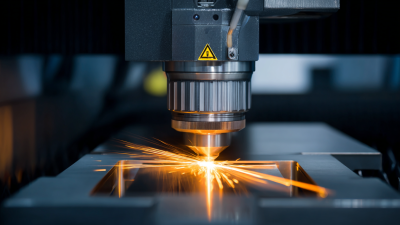
Laser metal cutting machines are revolutionizing the manufacturing industry with their precision and efficiency. These machines operate on the principle of focusing a high-powered laser beam onto the metal surface. This intense energy rapidly heats the metal, causing it to melt or vaporize. The beam is typically generated by a laser source, such as a fiber or CO2 laser, which delivers high-quality cutting performance.
The principle of operation relies heavily on the speed and accuracy of the laser. According to a recent industry report, laser cutting has increased production speed by up to 50% compared to traditional methods. The rapid cutting process minimizes heat-affected zones, leading to cleaner cuts and less material distortion. However, operators must be trained to manage power settings and cutting speeds effectively. Overheating can impact material quality, highlighting the importance of balancing settings for different metal types.
Tips: Always conduct a thorough material assessment. Understanding the properties of each metal can prevent complications. Regular maintenance of laser machines ensures consistent performance. Even small misalignments can result in significant disruptions in production. Take time to calibrate your equipment and monitor settings closely. Inconsistent results can lead to increased waste and costs.
Advantages and Limitations of Laser Metal Cutting Technology
Laser metal cutting technology has transformed manufacturing. It offers impressive precision and speed. However, there are both advantages and limitations to consider.
One clear advantage is the accuracy of laser cutting. According to a 2022 report from the Laser Institute of America, laser cutting can achieve tolerances of 0.1 mm. This precision is crucial in industries requiring intricate designs. Moreover, laser cutting minimizes material waste. The focused beam allows for tight nesting of parts. However, the technology comes with challenges. It may not work well with reflective materials, like copper and aluminum. Some manufacturers report difficulties in managing heat-affected zones. This is crucial, as excessive heat can warp materials, impacting the final product.
Tips: Always assess material compatibility before using laser cutting. It can save time and reduce errors. Consider investing in training for your team. Proper knowledge of the technology enhances efficiency.
Additionally, while laser cutters can handle various materials, they may require thicker setups for tougher metals. This can increase initial equipment costs. Balancing the long-term benefits against upfront expenses is essential to ensure a return on investment. Users should be aware that ongoing maintenance is also necessary. Ensuring optimal performance involves regular checks and calibrations, which can be overlooked in busy workshops.