What is a Metal Brake and How Does it Work?
A metal brake is a vital tool in metalworking. It allows for precise bending and shaping of metal sheets. Understanding how a metal brake works is essential for anyone involved in fabrication or construction.
Metal brakes come in various types and sizes, each serving specific functions. They can handle a range of materials, from aluminum to steel. Users often find themselves choosing between manual and hydraulic models. Manual brakes require physical effort, while hydraulic ones offer improved ease and accuracy. Each type has its advantages and potential drawbacks.
While metal brakes can achieve impressive results, they also require practice and skill. Beginners might struggle with consistency and technique. It is essential to reflect on one’s approach and learn from mistakes. Mastering a metal brake is not just about using the tool; it involves understanding its mechanics and limitations. Proper training can lead to better results and fewer errors, making it a key investment for serious metalworkers.
What is a Metal Brake?
A metal brake is a crucial tool in metalworking. It allows for precise bending and shaping of metal sheets. This device can create various angles and curves, essential for numerous applications. Metal brakes come in various sizes, from small, portable models to large, industrial versions. Their adaptability makes them a favorite among artisans and manufacturers alike.
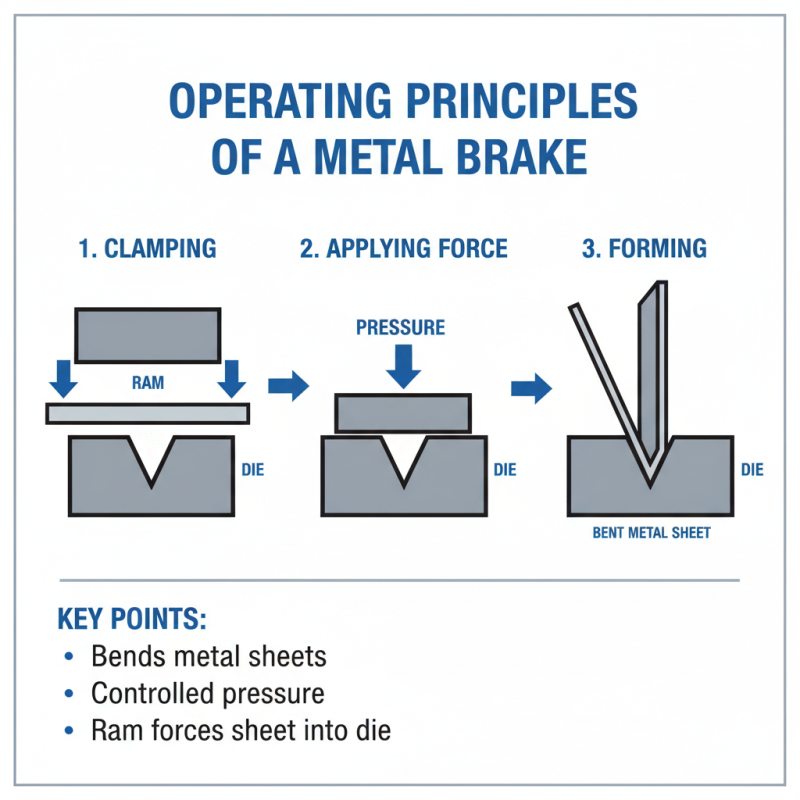
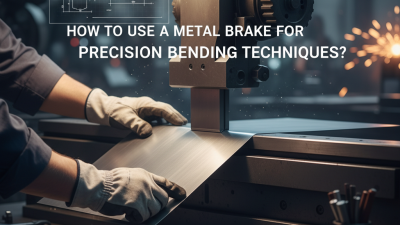
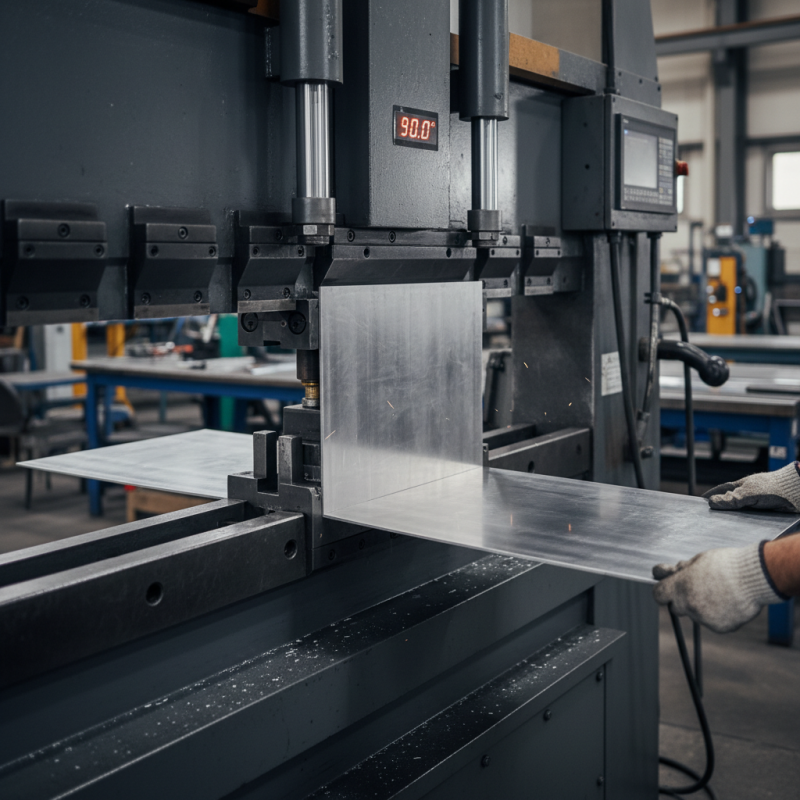
When using a metal brake, operators place a flat metal sheet on the machine's base. They then secure the sheet and activate the bending mechanism. Through this action, the metal is lifted and bent to the desired angle. However, achieving the perfect bend can be tricky. Factors such as metal thickness and type play a significant role in the outcome.
Sometimes, even experienced users face challenges, leading to mistakes. The metal may crimp or flex undesirably. Regular practice helps improve skills, but frustration is common. Each failed attempt provides valuable lessons. Understanding the machine's limits is as important as mastering its functions. With time and patience, users can create impressive and precise metal forms.
Metal Brake Usage in Various Industries
Components of a Metal Brake
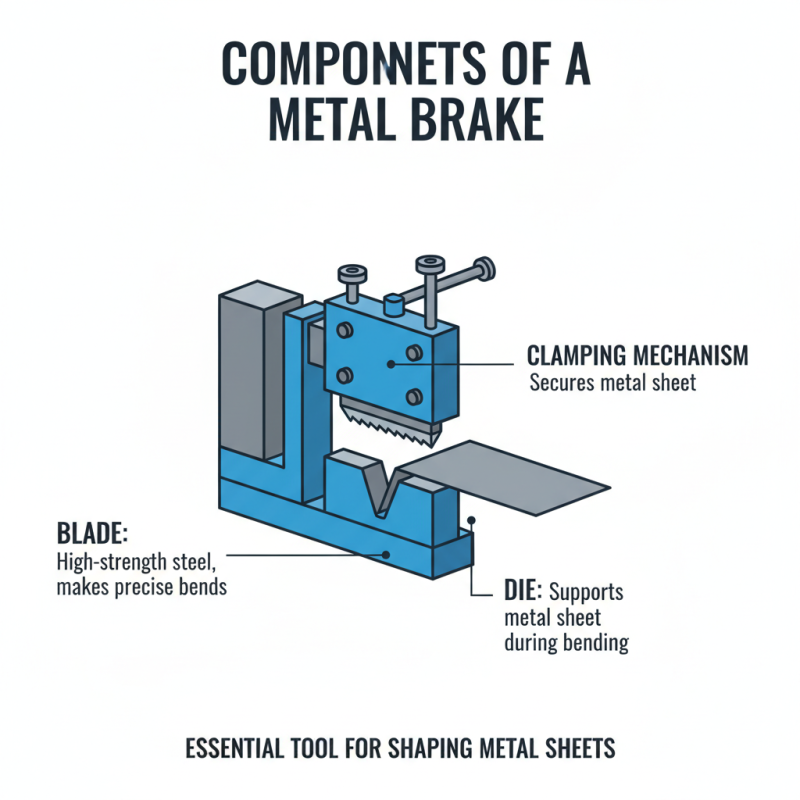
A metal brake is an essential tool for shaping metal sheets. Understanding its components is crucial for effective usage. The main components include the blade, die, and clamping mechanism. Each part plays a significant role in the bending process. The blade, typically made of high-strength steel, is responsible for making precise bends.
The die pairs with the blade to determine the angle of the bend. It comes in various shapes, allowing for unique designs. The clamping mechanism holds the metal securely during operation. A strong hold ensures accuracy and prevents slippage. Additionally, a back gauge measures the length of the metal being bent. It helps maintain consistency across multiple pieces.
While these components are straightforward, challenges can arise. Misalignment may lead to incorrect bends. Users must regularly check and calibrate their machines for optimal performance. This process can feel tedious, but it's essential for achieving high-quality results. Mastering the metal brake takes time and practice, highlighting the complex balance between precision and skill.
Different Types of Metal Brakes
Metal brakes are essential tools in manufacturing and metalworking. They help shape and bend metal sheets into various forms. Different types of metal brakes cater to specific needs. Understanding these types is crucial for selecting the right one for your projects.
The first type is the manual brake. This simple tool is operated by hand, allowing for precision in small projects. Users can adjust the angle of bends accurately. It requires skill and a steady hand, which can take some time to master.
Another common type is the hydraulic brake. This one uses hydraulic power, making it suitable for larger pieces and thicker materials. While it offers greater force, it might be overkill for delicate tasks. So, consider the project's scale when choosing.
Tips: When working with metal brakes, always wear safety gear. Protect your hands and eyes from sharp edges. Regular maintenance of the brake is essential for accurate performance. Always check the calibration before starting a project.
Applications of Metal Brakes in Industries
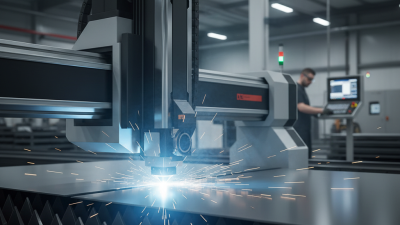
Metal brakes are widely used in various industries for their efficiency and precision. They play a crucial role in metalworking operations such as bending, shaping, and forming. Common applications include automotive manufacturing, aerospace, and heavy machinery production. In these settings, metal brakes help create complex shapes and components that require high accuracy.
In the aerospace industry, metal brakes are essential for producing intricate parts such as wing components and engine casings. The need for lightweight yet durable materials makes metal brakes an ideal choice. Similarly, in automotive manufacturing, they are used for producing parts like chassis and body panels. The precision offered by metal brakes ensures that each component fits perfectly, promoting safety and performance.
**Tip:** When using metal brakes, always ensure proper calibration to avoid inaccuracies. Regular maintenance checks can prevent unexpected breakdowns, keeping production on schedule.
**Tip:** Be mindful of the types of materials being processed. Some metals are harder to work with than others, posing challenges. Consider experimenting with different settings to find the best results.
Understanding the applications of metal brakes highlights their importance in modern manufacturing processes. The continuous innovation in this area might further enhance capabilities, but it requires ongoing learning and adaptation from operators.
What is a Metal Brake and How Does it Work? - Applications of Metal Brakes in Industries
| Application |
Industry |
Material Used |
Braking Method |
Notes |
| Sheet Metal Forming |
Manufacturing |
Aluminum, Steel |
Mechanical Press Brake |
Commonly used in HVAC and automotive industries. |
| Bending Metal Tubing |
Construction |
Stainless Steel, Copper |
Mandrel Bending |
Used for piping systems in buildings. |
| Metal Frame Construction |
Architecture |
Mild Steel |
CNC Hydraulic Brake |
Precision bending for structural integrity. |
| Custom Metal Parts |
Aerospace |
Titanium, Aluminum |
Electric Brake |
High precision required for safety-critical components. |
| Automotive Components |
Automotive |
Steel, Composite Materials |
Hydraulic Press Brake |
Efficient production for high-volume parts. |