Metal Brake Tips for Better Performance and Durability?
When it comes to vehicle performance, brake components play a crucial role. Among these, metal brake parts stand out for their robust nature and reliability. Choosing the right metal brake can enhance both safety and longevity.
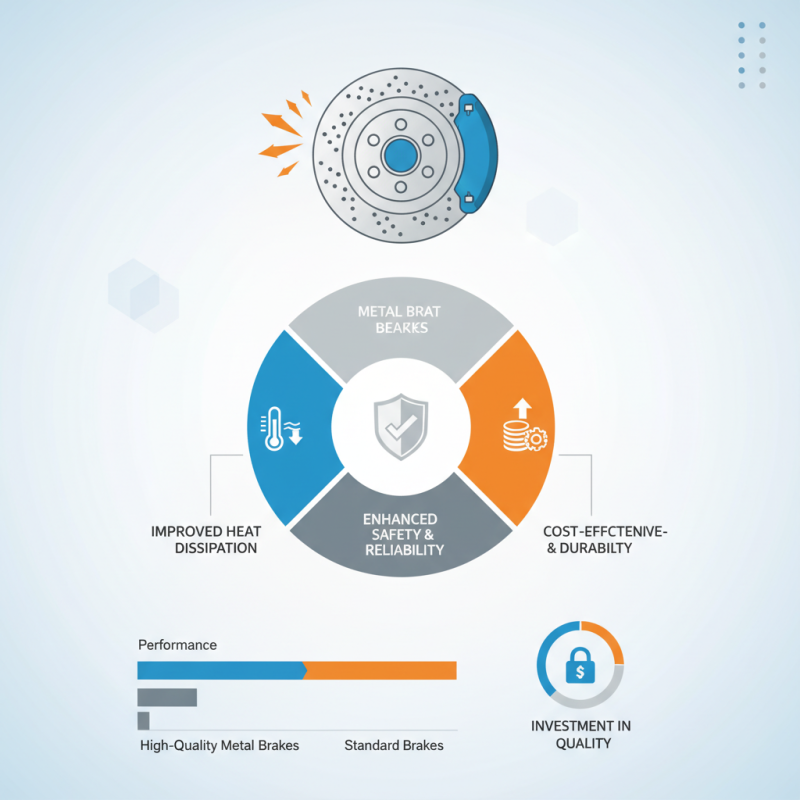
With metal brake systems, you gain improved heat dissipation. This means less fade during heavy use. Yet, not all metal brake options deliver the same performance. Quality matters. Inferior materials might compromise effectiveness.
It’s essential to reflect on your brake choice. Are you prioritizing performance over cost? Sometimes, a higher price can lead to better durability. Investing in high-quality metal brake parts can save money in the long run.
Understanding Metal Brake Tips: An Overview of Materials Used
When it comes to metal brake tips, material choice plays a crucial role. Different metals can affect performance and durability. Stainless steel is a popular choice. It offers great resistance to corrosion. Aluminum is light but may wear out quicker. Some users prefer heavier metals for stability. Yet, these choices come with trade-offs.
Brass fittings are also on the market. They provide a unique blend of durability and aesthetics. However, brass can be softer than steel and may need frequent replacement. The weight of different materials impacts handling as well. Lighter options improve agility, but might sacrifice braking power. Each material has its strengths and weaknesses that should be weighed carefully.
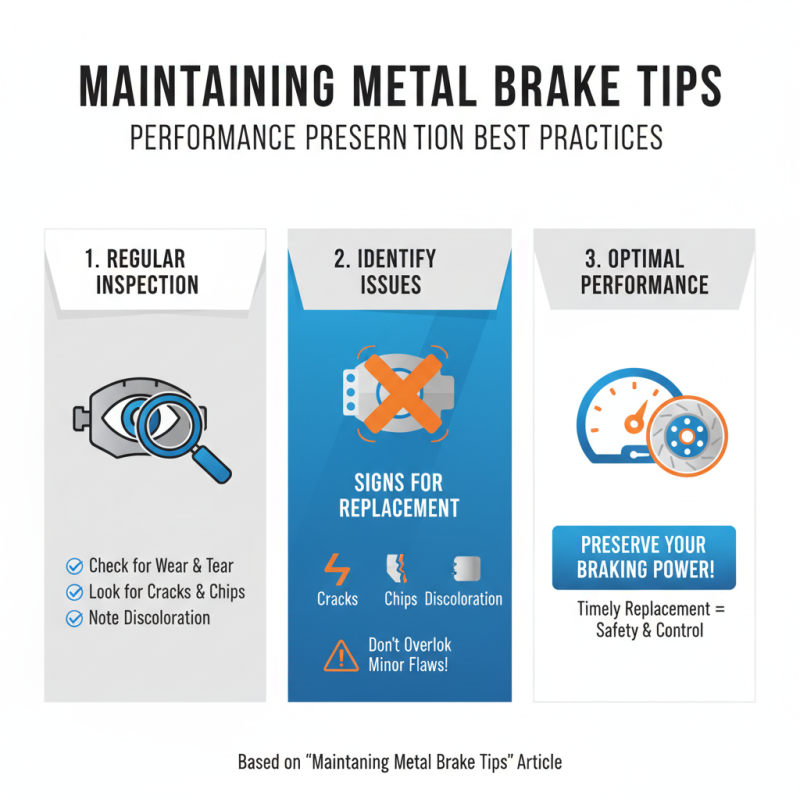
Using the wrong material can lead to performance issues. Some users have experienced increased noise levels with certain metals. Others found that brake tips wear down faster than expected. Regular inspection and replacement become essential. Balancing material properties with personal needs is key. Consider your driving style and conditions before making a choice.
Key Advantages of Metal Brake Tips for Vehicle Performance
Metal brake tips have gained popularity due to their performance and durability benefits. Many experts note that metal tips significantly improve braking efficiency. According to a recent industry report, vehicles equipped with metal brake tips can increase stopping power by up to 25%. This enhancement is vital for safety and vehicle control, especially under demanding conditions.
Durability is another advantage. Metal brake tips tend to withstand extreme temperatures and resist wear better than plastic counterparts. A study revealed that metal components last 30% longer, reducing replacement costs and maintenance. However, it’s important to note that metal can create more noise when braking. This aspect may require adjustments in driver expectations and habits.
Furthermore, while metal brake tips offer superior performance, they can also contribute to increased weight. This factor can affect overall vehicle efficiency. Balancing the performance benefits against potential drawbacks is essential for drivers. Maintaining awareness of these trade-offs can lead to more informed decisions when upgrading brake systems.
Durability Factors: How Metal Brake Tips Enhance Longevity
Metal brake tips significantly enhance durability in various applications. A recent report by the Society of Automotive Engineers (SAE) notes that metal components can outperform traditional materials in stress and wear resistance. In high-performance scenarios, brake tips made from durable metals resist deformation better than plastic alternatives. This means they can maintain their shape and functionality over extended use.
Research shows that metal brake tips can last up to 40% longer than non-metal ones under rigorous conditions. The resilience of metals allows for more consistent performance. Heat dissipation is another crucial factor. Metals dissipate heat more efficiently, reducing the risk of brake fade. A study by Motorsports Research highlighted that effective heat management in brakes could lead to a reduction in performance degradation by 25%.
However, not all metal options are created equal. The choice of metal and manufacturing techniques can impact performance. Some metal alloys may be too brittle and prone to cracking under stress. This raises questions about the balance between weight and strength. Users must consider their specific needs, as a heavier metal may provide durability but at the cost of overall vehicle efficiency. Understanding these nuances is essential for optimizing brake performance.
Metal Brake Tips Performance and Durability Analysis
This chart displays the durability of various metal brake tips measured in cycles before significant wear occurs. As shown, Metal Type D demonstrates the highest longevity, making it an ideal choice for enhanced performance and durability in braking systems.
Installation Considerations for Optimal Usage of Metal Brake Tips
When installing metal brake tips, it's crucial to consider several factors to achieve optimal performance.
Proper alignment is essential. Misalignment can cause uneven wear and reduced efficiency. Make sure the tips fit snugly onto the brake system. Gaps can lead to vibrations and noise during use.
Choose the right tools. Using improper tools can damage the tips or your braking system. A simple wrench or a screwdriver may suffice, but be mindful of the torque. Too much force can crack the metal. Too little may leave the tips loose.
Adjustments are necessary. After installation, check the brake performance. Listen for unusual sounds. Feel for vibrations. These could indicate a need for recalibration. Also, inspect the tips regularly for wear. Metal can fatigue over time. Stay proactive to avoid abrupt failures during operation.