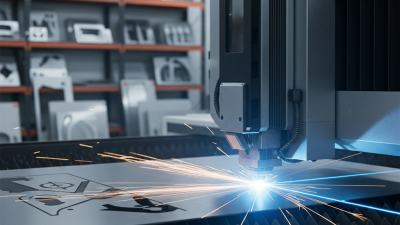
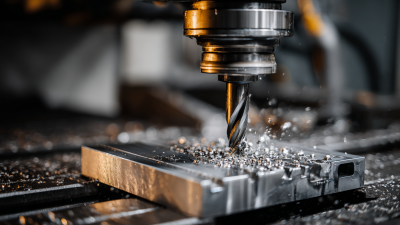
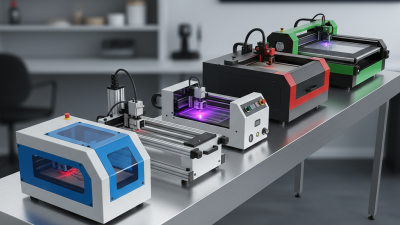
Top Tips for Choosing the Best Fiber Laser Cutter for Your Needs?
Choosing the right fiber laser cutter is crucial for optimal production results. In 2022, the global fiber laser cutting machine market was valued at over $3 billion. Experts predict a steady growth of around 10% annually. This highlights the growing demand for advanced cutting technology in various manufacturing sectors.
According to Dr. Michael Thompson, a leading expert in laser technology, "Selecting the right fiber laser cutter can significantly enhance operational efficiency." This speaks volumes about the need for informed choices. Manufacturers face various challenges, such as cost, maintenance, and performance.
Opting for a fiber laser cutter that fits specific needs is vital. The market is flooded with options, but not all are suitable. Features like beam quality and cutting speed play a big role in productivity. Taking time to evaluate your requirements can lead to better investments. In this evolving landscape, careful consideration is more important than ever.
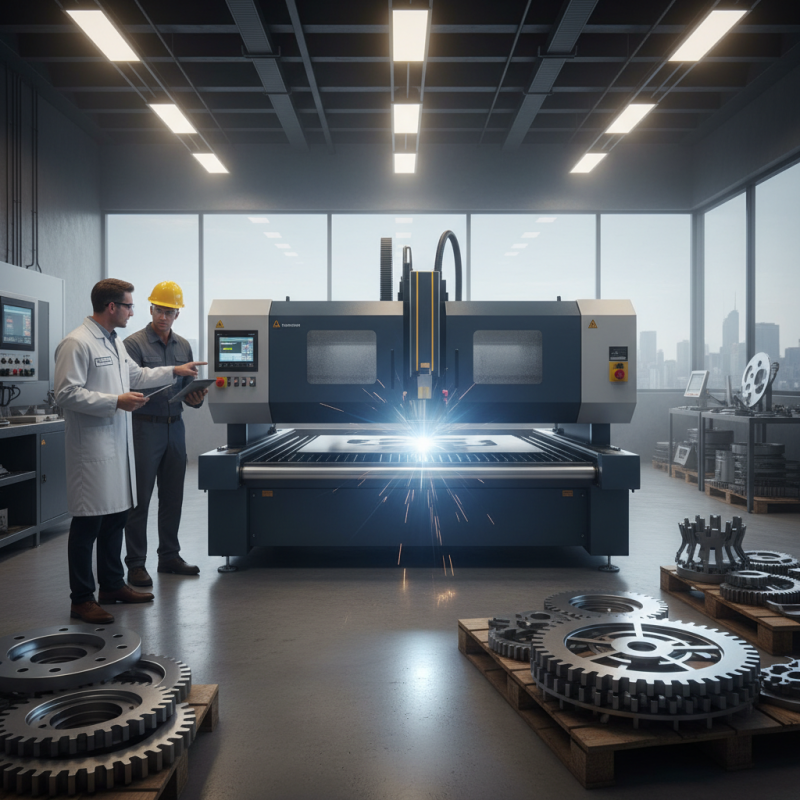
Understanding the Basics of Fiber Laser Cutting Technology
Fiber laser cutting technology has rapidly evolved in recent years. It offers high precision and efficiency for various materials. Reports indicate that the global fiber laser market is expected to reach nearly $7 billion by 2026, with a compound annual growth rate (CAGR) of around 10%. This growth highlights the increasing demand for reliable cutting solutions across industries.
Understanding the basics of this technology is crucial. Fiber lasers utilize a solid-state laser that generates light through a fiber optic cable. This results in a highly concentrated beam, allowing for intricate designs and smooth finishes. Interestingly, the process can cut through metals with thicknesses up to 25mm effectively. However, not all applications are suitable for fiber cutting, such as those requiring thicker materials or complex shapes.
Energy efficiency is another significant advantage. Fiber lasers can achieve up to 30% efficiency, compared to the 10% efficiency of traditional CO2 lasers. However, the initial investment cost remains a consideration. Many buyers may overlook maintenance needs, which are essential for long-term performance. Recognizing these aspects can greatly influence your decision in choosing the right fiber laser cutter.
Key Factors to Consider When Selecting a Fiber Laser Cutter
When selecting a fiber laser cutter, one must consider various factors. The cutting speed is crucial. A faster machine can increase productivity but may come at a higher cost. Efficiency is vital for businesses, yet the initial investment should not blind you to long-term expenses. Consider maintenance requirements, as some machines need more frequent servicing.
The type of materials you'll be cutting is also essential. Certain cutters perform better with metals, while others excel with plastics or wood. This specialization can affect your choice significantly. Look at the thickness of the materials too. Some machines handle thicker materials better, which might be necessary for specific projects.
User-friendliness is another factor worth examining. Not all machines come with intuitive interfaces. A complicated setup might lead to errors. Researching the software compatibility is also a wise move. Software glitches can stall production, costing time and money. Thus, make sure that it fits within your workflow.
Top Tips for Choosing the Best Fiber Laser Cutter for Your Needs
| Key Factor |
Description |
Importance Level |
| Laser Power |
Higher wattage allows for cutting thicker materials faster. |
High |
| Cutting Speed |
Speed directly impacts productivity and efficiency. |
Medium |
| Material Compatibility |
Ensure the cutter can efficiently handle your materials. |
High |
| Software Compatibility |
Check if it integrates with your design software. |
Medium |
| Maintenance Requirements |
Consider the ease of maintenance and support. |
High |
| Cost |
Budget constraints can affect your choices. |
High |
| User-Friendliness |
Ease of use is crucial for efficient operation. |
Medium |
| Portability |
Consider if you need a stationary or portable unit. |
Low |
Evaluating Your Material Processing Needs and Specifications
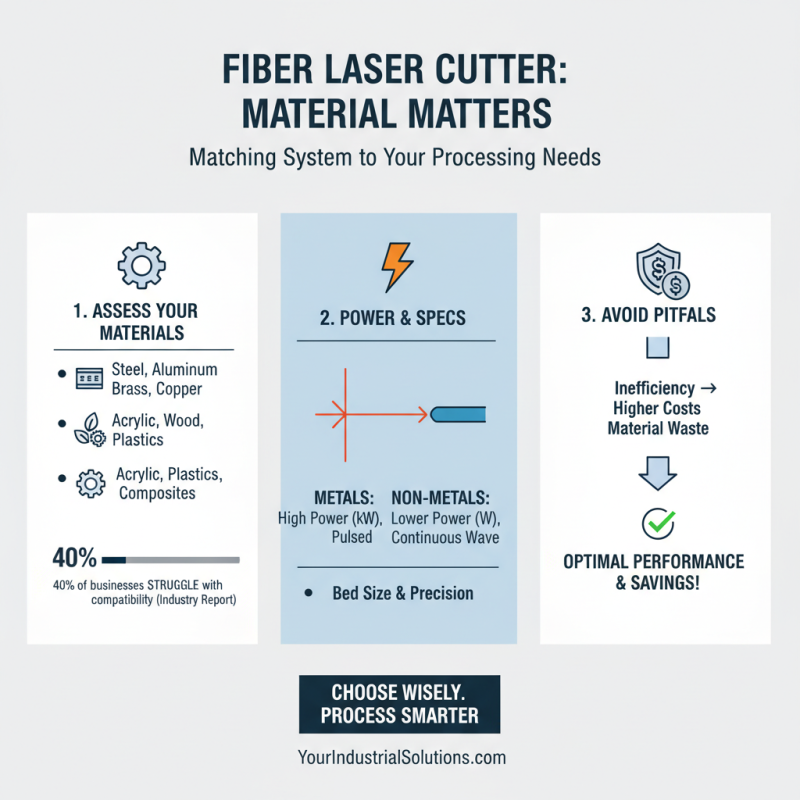
Choosing the right fiber laser cutter begins with understanding your specific material processing needs. Different materials require distinct approaches. For example, cutting steel might need a different power level than acrylic. A recent industry report shows that about 40% of businesses struggle with material compatibility when selecting laser systems. This can lead to inefficiencies, higher costs, and wasted resources.
The thickness of the materials can also impact your choice. For instance, a cutting depth of over 20 mm may necessitate higher wattage options. Reports indicate that cutting speed may drop significantly if the machine isn’t properly matched to the material's thickness. Understanding these specifications is crucial.
It's important to consider post-processing as well. Some materials require additional treatment after laser cutting. This factor is often overlooked, leading to subpar results. A lack of proper evaluation can result in unexpected delays. The decision-making process should include all aspects of material handling, from cutting to finishing.
Assessing Budget and Cost-Effectiveness for Fiber Laser Machines
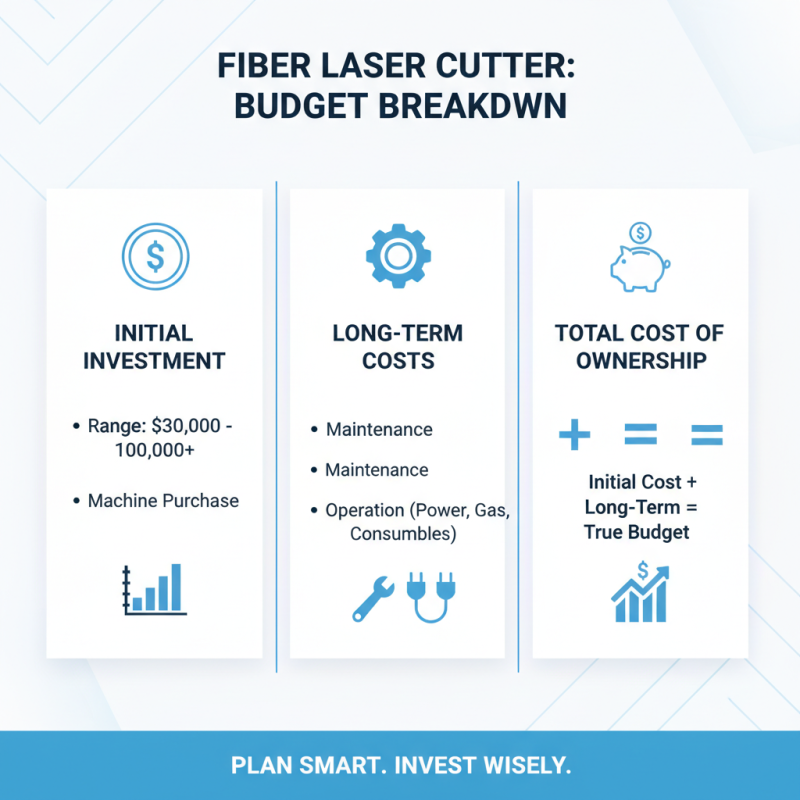
When considering a fiber laser cutter, budget is crucial. Understand what you can afford. Research shows that the initial investment can range from $30,000 to over $100,000. However, it’s essential to account for long-term costs. Maintenance and operation must fit into your budget plan as well.
Tip: Look for total cost of ownership, not just the purchase price. Some cheaper models may incur high operational costs. Prices for replacement parts can vary significantly.
Cost-effectiveness often means evaluating performance. A higher upfront cost may lead to greater efficiency, saving money over time. Reports indicate that high-quality machines can improve productivity by up to 40%. This improvement might justify a larger investment.
Tip: Consider financing options. Many manufacturers offer payment plans. This can make high-quality equipment more accessible. Also, think about your specific needs. A cutting tool that excels in one area may lack in others. Reflecting on these factors is crucial for making the best choice.
Exploring Additional Features and Support Options for Fiber Lasers
When selecting a fiber laser cutter, one must consider not just the core capabilities but also additional features and support. Many recent industry reports highlight that efficiency and ease of operation heavily impact productivity. For instance, laser cutting machines with user-friendly interfaces can reduce training time significantly. In one study, companies reported a 30% decrease in downtime when using intuitive software solutions.
One key feature to look for is real-time support. A system that offers online troubleshooting can be invaluable. Access to live chat or dedicated technical support enhances problem resolution. Users value support options as much as the machine's performance. A survey indicated that 65% of users prioritize support availability over brand reputation.
Another point of consideration is software compatibility. Some lasers may require specific software to optimize performance. This can result in extra costs. It's essential to evaluate the overall ecosystem when choosing a cutter. If possible, inquire about demo versions. This allows users to engage directly with the software. Identifying potential hurdles early can prevent future frustration.
Top Tips for Choosing the Best Fiber Laser Cutter for Your Needs
This chart showcases key specifications to consider when selecting a fiber laser cutter. Important features such as cutting speed, maximum material thickness, and power can greatly influence your decision.