Top Tips for Choosing the Right Remote Condensing Unit?
Choosing the right Remote Condensing Unit (RCU) is crucial for efficient refrigeration systems. According to a report by the International Institute of Refrigeration, improper unit selection can lead to energy inefficiency, costing businesses thousands annually. Expertise in this field emphasizes the need for careful consideration of various factors, including coiling type, capacity, and environmental conditions.
John Doe, a renowned refrigeration expert, states, "The efficiency of a Remote Condensing Unit can significantly impact overall system performance." Understanding these nuances can prevent pitfalls. Many businesses overlook the importance of matching the RCU with their specific cooling loads. This often leads to over or under-sizing, which diminishes effectiveness and increases operational costs.
Selecting the right RCU requires a blend of technical knowledge and experience. Each application presents unique challenges, from installation space to temperature requirements. A well-chosen RCU can enhance energy efficiency. However, a poor choice can result in recurring issues. Reflecting on these aspects is vital in making an informed decision.
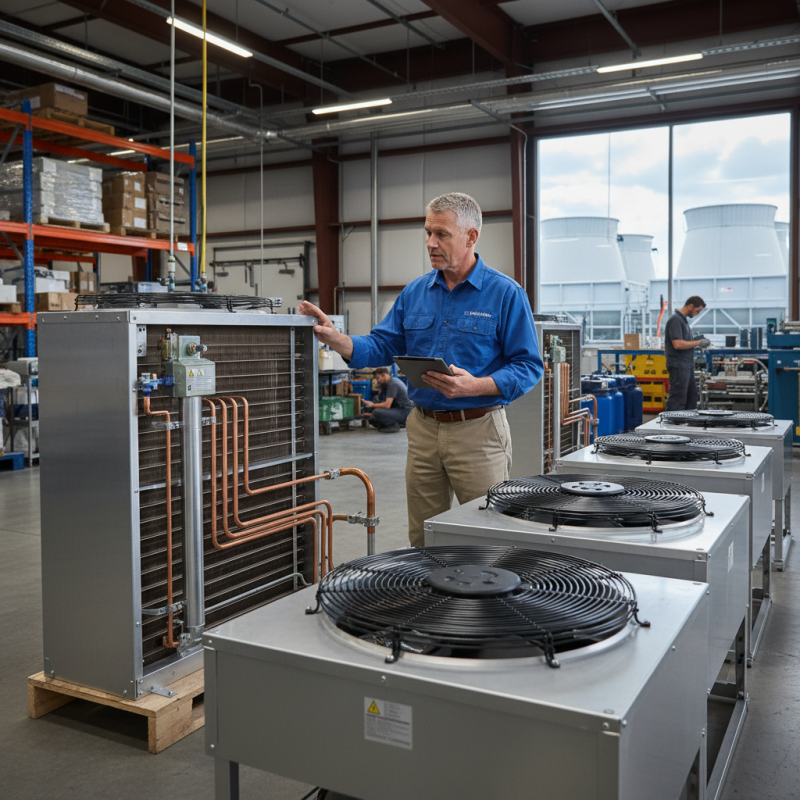
Understanding the Basics of Remote Condensing Units
Remote condensing units (RCUs) are vital in refrigeration systems. They absorb heat from refrigerants and release it outside. This process keeps the internal temperature stable. Before choosing the right RCU, understanding its basics is essential.
When selecting an RCU, consider the climate. Hotter areas may require units with higher efficiency. Look for models designed to handle extreme temperatures. Also, consider installation space. A compact design can save room but may limit performance. Smaller units might struggle in heavy-duty applications.
Tips for selecting the best RCU include checking energy efficiency ratings. Higher ratings often mean lower operating costs. Ensure the unit fits your specific needs. Don’t overlook noise levels; some units can be quite loud. It’s also wise to read user reviews, which can provide practical insights and highlight potential flaws. Make informed choices based on thorough research. Trustworthy resources matter.
Key Factors to Consider When Selecting a Remote Condensing Unit
When selecting a remote condensing unit, there are key factors to consider to ensure optimal performance. First, evaluate the unit’s capacity. This measurement reflects the cooling load it can handle. Too small a unit may lead to inefficiency. Conversely, an oversized unit can result in higher energy costs.
Energy efficiency is another vital aspect. Look for units with higher SEER ratings. A unit that operates efficiently will save money over its lifetime. Noise levels also matter, especially for residential areas. Choose a model that operates quietly to maintain comfort.
Tip: Always consult professionals to assess your specific needs. Installation is critical for performance. Improper setup can cause long-term issues. Also, consider maintenance requirements. Regular servicing can prolong the unit's lifespan and efficiency. Reflect on the long-term costs versus initial purchase price. Making a well-informed choice really pays off.
Evaluating Energy Efficiency Ratings for Cooling Performance
When selecting a remote condensing unit, energy efficiency ratings are crucial. These ratings provide insights into the cooling performance and operational costs over time. The Seasonal Energy Efficiency Ratio (SEER) is a key indicator. A higher SEER means better energy efficiency. According to the U.S. Department of Energy, systems with a SEER rating above 16 can significantly reduce energy consumption.
Understanding cooling capacities is also vital. While many units might boast high SEER values, the actual cooling output (measured in BTUs) must align with your space requirements. An undersized unit will constantly run, leading to higher energy bills. Conversely, an oversized system will cycle on and off frequently, reducing efficiency. Achieving the right balance is essential.
It's worth noting that real-world performance can differ from laboratory tests. Factors like installation quality and maintenance impact efficiency. A report from the Air Conditioning, Heating, and Refrigeration Institute (AHRI) found that improper installation can reduce efficiency by up to 30%. Researching local codes and best practices will enhance the reliability of your chosen unit. Prioritize reputable sources and thorough evaluations to ensure a wise investment in energy efficiency.
Assessing Compatibility with Existing HVAC Systems
When choosing a remote condensing unit, assessing compatibility with existing HVAC systems is crucial. Understanding your current setup can help avoid costly adjustments. Each HVAC system has unique specifications, including size and capacity. It's essential to match the new unit's output to your system's needs. This will ensure efficient performance and energy savings.
Another important aspect is the refrigerant type. Some systems may require specific refrigerants to function correctly. Mismatches here can lead to reduced efficiency or even system failure. To address this, review your current refrigerant. Consult with experts to confirm if the proposed remote unit aligns with your requirements.
Consider the installation space. Remote units must fit within designated areas without obstruction. Evaluate the existing layout before making a decision. Often, there are unforeseen limitations in space or accessibility. Be prepared for adjustments to your HVAC design if necessary. This reflection can guide more informed decisions that ensure long-term reliability and performance of your system.
Common Installation Considerations and Best Practices
When selecting a remote condensing unit, various installation considerations must be taken into account. Ensure you assess the ambient temperature and location. Different units operate efficiently under specific conditions. Outdoor units may require wind protection. This can help avoid performance issues during harsh weather.
Consider the layout of your installation area. The unit should have enough space around it for airflow. If the unit is too close to walls or other obstructions, it can overheat. Think about future maintenance access as well. A clear path to the unit can save time and hassle.
Evaluate the noise levels of your chosen unit. Some operate quietly, while others can be disruptive. Installing sound barriers may mitigate this. Also, remember local regulations. They might impact the placement of your unit. Always consult experts when needed. Their advice can prevent costly mistakes and ensure compliance with standards.
Top Tips for Choosing the Right Remote Condensing Unit
| Consideration | Details |
| Cooling Capacity | Ensure the unit is properly matched to the cooling load requirements of the system. |
| Energy Efficiency | Look for models with high SEER (Seasonal Energy Efficiency Ratio) ratings to reduce operating costs. |
| Location of Installation | Consider the unit's placement for optimal airflow and accessibility for maintenance. |
| Noise Levels | Choose a unit that operates quietly, especially for residential or office applications. |
| Refrigerant Type | Select units using environmentally friendly refrigerants that comply with regulations. |
| Maintenance Requirements | Assess the ease of maintenance and availability of parts for long-term reliability. |
| Warranty and Support | Consider warranty length and customer support options to protect your investment. |
