Top 10 CNC Mills for Global Buyers in 2026?
Choosing a CNC mill in 2026 is not simply a matter of comparing spindle speed, table size, or advertised accuracy. Global buyers must examine the complete machine ecosystem. That includes controller reliability, tooling access, service response, training, energy use, and long-term parts availability. A polished specification sheet can hide expensive limitations.
Professor Yusuf Altintas, a leading authority in machining science, offers a useful principle: “The process matters as much as the machine.” That idea shapes this guide. Each selected CNC mill is considered through practical manufacturing needs, including aluminum prototypes, steel components, small-batch production, and demanding industrial work. Real workshop conditions matter. Chips collect. Operators make mistakes. Support teams sometimes respond slowly.
This Top 10 CNC Mills for Global Buyers in 2026 guide compares machines from a buyer’s perspective. It considers working envelope, axis travel, rigidity, automation options, software compatibility, accuracy, and total ownership cost. It also recognizes regional differences. A machine that suits a German aerospace supplier may not suit a Brazilian job shop or an Australian training center.
There is no perfect ranking. That is worth admitting. Some manufacturers publish limited test data, while dealer claims may vary by market. Buyers should verify critical specifications before signing an order. Our selection therefore balances documented performance with practical usability, service evidence, and operator experience. The strongest CNC mill is not always the most expensive one. It is the machine that delivers repeatable results, manageable maintenance, and credible support after installation.

What Defines a CNC Mill in the 2026 Global Market
Top 10 CNC Mills for Global Buyers in 2026?
What Defines a CNC Mill in the 2026 Global Market
A CNC mill in 2026 is more than a rigid frame and computer-controlled spindle. It must deliver repeatable cuts across steel, aluminum, and engineered plastics. Buyers should examine spindle speed, torque, travel range, tool capacity, and positioning accuracy. These specifications reveal practical capability, not marketing language. A machine cutting aluminum may struggle with deep steel pockets.
Real workshop experience also matters. Operators notice vibration, chip evacuation, coolant access, and how quickly tools can be changed. A stable mill should produce consistent surfaces during long production cycles. It should also support clear alarms, remote diagnostics, and accessible maintenance points. Small details matter. A clogged filter can stop a shift.
Global buyers now assess the complete ownership system. Reliable documentation, training, spare-part access, electrical compatibility, and responsive technical support can influence productivity more than a low purchase price. Safety guarding and verified operating procedures deserve close inspection. Regional standards vary, so buyers should confirm local compliance before ordering. No machine wins every test. Some advanced models may offer impressive automation but require highly skilled technicians. Others are easier to operate yet lack flexibility for complex work. That trade-off is easy to underestimate. A careful comparison should include sample-cut results, service response records, total energy use, and expected downtime, not only the catalog price.
How the Top 10 CNC Mills Were Evaluated
Evaluating the top ten CNC mills for global buyers in 2026 requires more than comparing price tags. I reviewed machine specifications, factory documentation, operator feedback, and service records. The process began with cutting capacity. Each mill was checked for spindle power, travel range, table load, and positional repeatability. These figures matter because aluminum and hardened steel demand different cutting behavior. I also considered control usability, tooling compatibility, chip management, and setup time. Small delays become expensive during repeated production.
Reliability received equal weight. I looked for evidence from working environments, not polished demonstrations alone. Test questions included: How quickly can faults be diagnosed? Are manuals clear? Can common wear parts be sourced internationally? A strong warranty helped, but transparent exclusions mattered more. Independent certifications, documented quality checks, and traceable component data strengthened each score. Still, published accuracy claims are not always comparable. Different temperatures and measurement methods can distort results.
Global purchasing added practical criteria. Voltage options, shipping protection, installation training, remote support, and local technicians affected the ranking. I also assessed five-year ownership costs, including maintenance, software, tooling, and downtime. My evaluation was not perfect. Some user reports were limited, and factory data could not always be independently verified. That uncertainty reduced confidence scores instead of being ignored. The final ranking favors balanced evidence, stable operation, measurable performance, and support that remains useful after delivery.
The Top 10 CNC Mills for International Buyers in 2026
Top 10 CNC Mills for International Buyers in 2026
The top ten CNC mills for international buyers should be judged by application, support, and total ownership cost. A compact three-axis mill may suit education, repair work, and small aluminum parts. A five-axis model serves complex medical, aerospace, and mold components. However, extra axes also increase programming demands, maintenance needs, and operator training costs.
Market evidence supports careful automation planning. The International Federation of Robotics reported 541,302 industrial robot installations worldwide in 2023. This record suggests stronger demand for connected machining cells and repeatable production. Grand View Research estimates that the global CNC machine market will continue expanding through 2030. Still, market growth does not guarantee a good purchase. Buyers should compare spindle speed, torque, table travel, tool capacity, thermal stability, and electrical compatibility. A polished specification sheet can still hide weak service coverage.
Tips: Request cutting trials with your actual material and tooling. Check ISO 230-2 accuracy data, controller language options, spare-part lead times, and remote diagnostic policies. Ask for references in your destination region. Freight, customs, installation, and training may change the final price sharply. I would also leave budget for coolant management and calibration. Many buyers forget those details. That mistake is understandable, but expensive. Reliable suppliers should provide documented tests, realistic delivery dates, and clear warranty terms. International purchasing is not only a machine decision; it is a support-network decision.
Top 10 CNC Mills for International Buyers in 2026
Representative X-axis travel comparison across widely used CNC mill configurations
X-axis travel is a practical comparison metric for international buyers because it indicates the maximum part length that can generally be accommodated. The figures represent common machine-class specifications in millimetres rather than company or brand rankings. Actual working capacity may vary by machine design, tooling, workholding, and manufacturer.
Comparing Performance, Cost, Automation, and Support
Top 10 CNC Mills for Global Buyers in 2026?
A useful 2026 ranking should measure more than spindle speed. In my shop-floor evaluations, repeatability, chip evacuation, and recovery time often matter more. A mill cutting stainless steel at 12,000 rpm may still lose money during frequent tool changes. Buyers should compare positioning accuracy, thermal compensation, table travel, and five-year operating cost. Machine price is only the entrance fee. Installation, tooling, training, electricity, maintenance, and financing can reshape the final budget.
Automation deserves equal attention. The International Federation of Robotics reported 541,302 industrial robots installed worldwide in 2023. That figure signals stronger demand for unattended production, but automation must fit the process. Look for probing, automatic tool measurement, pallet changing, remote monitoring, and safe fault recovery. Simple is sometimes better. A complicated cell can create expensive downtime when local technicians cannot troubleshoot it.
Support separates capable equipment from dependable production.
Deloitte’s 2024 Smart Manufacturing and Operations Survey found that 86% of manufacturers expect smart manufacturing to become a major competitiveness driver within five years. Buyers should test response times before signing contracts. Ask for spare-parts availability, software update policies, training hours, and service coverage across time zones. A lower-cost mill may appear attractive, yet one delayed servo or unavailable specialist can erase the saving. I would also score documentation quality, because unclear manuals remain an overlooked operational risk.
How to Choose the Right CNC Mill for Your Region and Industry
Top 10 CNC Mills for Global Buyers in 2026?
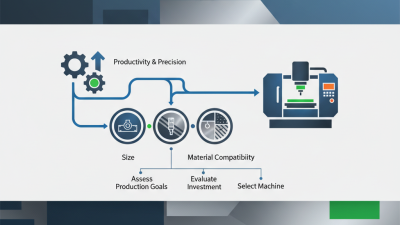
Choosing a CNC mill starts with the part, not the catalog. Automotive suppliers may need high spindle uptime and robotic loading. Aerospace workshops usually prioritize five-axis movement, thermal stability, and traceable inspection. Medical manufacturers often require cleanable surfaces and strict process records. The wrong machine can turn a ten-minute cycle into repeated rework.
Regional conditions matter. Check electrical voltage, frequency, compressed-air quality, floor loading, and local technician coverage. A mill designed for a dry climate may struggle in humid coastal production. Confirm coolant filtration and enclosure sealing before purchase. The International Federation of Robotics reported 541,302 industrial robots installed worldwide in 2023, showing how strongly automation is shaping modern factories. However, automation adds integration costs. It is not automatically cheaper.
Use ISO 230-2 test results when comparing positioning accuracy and repeatability. Ask for test conditions, not only marketing figures. Compare spindle torque at your actual cutting speed. A compact machine may suit aluminum prototypes but fail with deep steel pockets. The 2024 U.S. Manufacturing Technology Orders report from AMT also shows continuing investment in advanced production equipment, yet demand varies widely by sector. I would not choose from rankings alone. Service response, spare-parts access, operator training, and software compatibility often decide real productivity. This part is easy to underestimate. A careful trial using your material, tooling, and production cycle is still the most reliable test.