Choosing the right laser cut aluminum begins with more than alloy strength or a low purchase price. Global buyers must compare grade, temper, thickness, surface condition, tolerances, and delivery reliability. A 2 mm 5052 sheet may cut cleanly for an enclosure, while a 25 mm 7075 plate demands stricter thermal and edge-quality control. Small details matter.
The International Aluminium Institute reports that aluminum production and processing contribute about 1.1 billion tonnes of CO2 equivalent annually. The USGS Mineral Commodity Summaries 2024 estimates global primary aluminum output at roughly 70 million metric tons in 2023. These figures explain why sourcing decisions increasingly include recycled content, energy data, and traceability. They also show why a simple “best alloy” ranking can mislead.
Miles Prosser, former Secretary General of the International Aluminium Institute, described aluminum as “a permanent material,” highlighting its ability to return repeatedly through recycling. That principle supports responsible laser cut aluminum procurement, but it does not remove practical limits. Recycling quality depends on alloy separation, contamination control, and documented supply chains.
This guide examines ten widely purchased aluminum types, including 5052, 6061, 6063, 7075, 2024, 5083, 3003, 1100, 6082, and 5754. Each section considers cutting behavior, machinability, corrosion resistance, strength, finishing, and typical applications. The comparison follows relevant requirements from ASTM B209 and ISO 9013, while recognizing that supplier equipment changes results. Real-world testing remains essential. A polished specification can still fail at the factory floor.
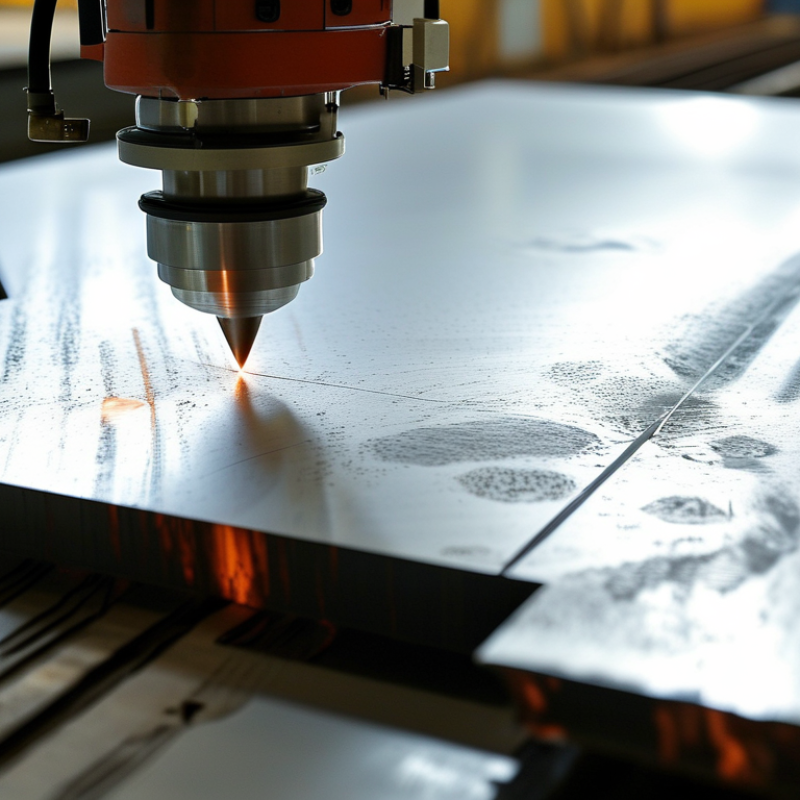
Choosing laser-cut aluminum starts with alloy behavior, not only price. The International Aluminium Institute reported about 70.6 million tonnes of primary aluminum production in 2023. That scale supports broad global availability, but grades still vary by region. Common choices include 5052, 5083, 6061, 6082, 7075, 3003, and 1050. Each grade responds differently to heat, reflection, and cutting speed.
Wrought 5xxx alloys offer strong corrosion resistance and suit marine or formed parts. The 6xxx series machines well and supports general structural applications. However, 6061 may show edge discoloration after cutting. The 7xxx series delivers high strength, but it costs more and may need tighter process control. The USGS Mineral Commodity Summaries highlights aluminum’s dependence on global bauxite and alumina supply chains. Buyers should therefore check regional availability, temper, thickness tolerance, and delivery risk before approving drawings.
Tips: Request the exact alloy designation, temper, and mill certificate. Confirm whether the supplier follows ASTM or EN specifications. Ask for a sample cut using the planned thickness. Inspect burrs, dross, kerf width, and visible heat marks. Nitrogen often produces cleaner edges than compressed air, though operating costs can rise. A neat spreadsheet cannot replace a test cut. That lesson is easy to forget. Also, laser results depend on oxide thickness, lens condition, and operator settings. A perfect catalog description may still produce an imperfect edge. For global sourcing, document acceptance limits clearly, including flatness, surface finish, packaging, and inspection records.
The ten leading aluminum types used in laser cutting serve different production needs. Common choices include 1050, 2024, 3003, 3105, 5052, 5083, 6061, 6063, 6082, and 7075. Pure aluminum, such as 1050, cuts easily but lacks strength. Alloys 3003 and 3105 offer balanced formability for panels and light enclosures. Marine-grade 5052 and 5083 resist corrosion, although 5083 may require careful heat management. Structural grades 6061 and 6082 provide reliable strength for frames and brackets. Grade 6063 suits profiles and visible surfaces. High-strength 2024 and 7075 can be more demanding because their alloying elements affect cut quality.
Laser operators usually adjust power, speed, focus, and assist gas for each grade. A bright, reflective surface can scatter energy and create unstable piercing. Clean material helps reduce dross around small holes. Thin sheets may warp when heat builds along narrow sections. Thick plates often need slower cutting and a larger inspection sample. These details matter more than a simple grade chart.
Tips: Confirm the material certificate, thickness, and temper before programming. Test one corner and one small hole first. Check edge color, burr height, and dimensional accuracy. Do not assume every 6061 sheet cuts identically. Supplier history, surface condition, and machine calibration can change the result. I have seen a familiar alloy fail a trial because its protective film and uneven surface were overlooked. That mistake is worth reviewing before full production.
Aluminum alloy selection directly affects laser speed, edge quality, and post-processing. The International Aluminium Institute’s Aluminium Statistical Review 2024 reports about 70.6 million tonnes of primary aluminum production in 2023. This scale supports broad global sourcing, but alloy behavior still varies sharply.
The main ten grades are 1050, 1060, 1100, 3003, 5052, 5083, 6061, 6063, 6082, and 7075.
The 1xxx grades offer high conductivity and purity, yet their reflective surfaces demand careful power control and clean optics. Edges can heat quickly. Grade 3003 usually cuts more predictably, making it suitable for general panels and enclosures. Grades 5052 and 5083 provide strong corrosion resistance, but thicker sheets may show more dross without stable nitrogen pressure. The 6xxx family is widely chosen for structural parts. Silicon content can improve machinability, though 6061 and 6082 sometimes produce rougher lower edges. Grade 6063 generally cuts smoothly in thin extrusions. Grade 7075 delivers high strength but requires tighter process control, especially around heat-affected zones.
Nitrogen usually creates brighter, cleaner edges. Oxygen may increase cutting speed, but it can leave darker oxidation.
Shop trials remain essential. Edges still vary. A 3 kW fiber laser, for example, may perform differently across suppliers because temper, surface film, and sheet flatness change the result. Buyers should request test coupons, kerf measurements, and roughness data before approving production quantities.
The overlooked detail is consistency, not just alloy designation.
Top 10 Laser Cut Aluminum Types for Global Buyers
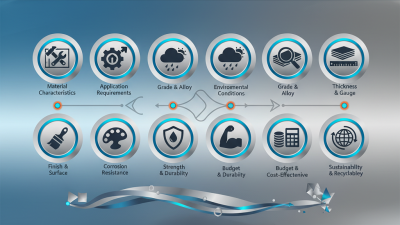
Choosing Aluminum Types by Application, Finish, and Budget
Selecting aluminum for laser cutting is not only a grade decision. Thickness, heat response, surface finish, and final use all affect the result. Common options include 1050, 1060, 1100, 3003, 5052, 5083, 6061, 6063, 6082, and 7075. Pure aluminum grades cut easily and suit reflectors, panels, signs, and decorative parts. They are affordable, but they can dent more easily.
For outdoor enclosures, brackets, and transport components, 5052 and 5083 offer useful corrosion resistance and strength. 6061 and 6082 provide a practical balance for frames, machine covers, and structural parts. Choose 6063 for profiles and clean visible surfaces. It often supports attractive anodized finishes. 7075 delivers high strength, yet it costs more and may require tighter process control during cutting and finishing.
Finish changes the buying decision. A mill finish usually gives the lowest cost. Brushed aluminum hides minor marks, while anodizing improves appearance and surface durability. Powder coating adds color but requires careful edge preparation. Laser settings must match the alloy and thickness. Reflective surfaces can increase cutting instability. Thin sheets may warp if heat builds locally. That detail is easy to overlook. Budget planning should include protective film, deburring, inspection, and possible trial cuts. A cheaper grade can become expensive when its finish fails or its strength proves insufficient.
A practical comparison of widely used aluminum alloys for fiber-laser cutting. Actual cut quality depends on alloy temper, thickness, machine power, assist gas, part geometry, and post-processing requirements.
| Rank | Aluminum Type | Common Temper | Typical Laser-Cutting Range | Key Material Characteristics | Best-Fit Applications | Recommended Finish | Relative Cutting Difficulty | Relative Material Budget | Buyer Considerations |
|---|---|---|---|---|---|---|---|---|---|
| 1 | 5052 Aluminum | H32 / H34 | 0.8–6 mm sheet | Excellent corrosion resistance, good weldability, and high formability. Non-heat-treatable. | Enclosures, brackets, marine panels, HVAC parts, vehicle components, and general fabricated sheet metal. | Brushed, anodized, powder coated, or mill finish. | ★★★★☆ Good |
Medium | A strong general-purpose choice when bending, corrosion resistance, and clean edges are more important than maximum strength. |
| 2 | 6061 Aluminum | T6 / T651 | 1–12 mm sheet or plate | Heat-treatable alloy with good strength, machinability, and corrosion resistance. Widely available in global supply chains. | Structural brackets, machinery parts, frames, transport components, tooling, and industrial assemblies. | Clear anodizing, hard anodizing, powder coating, or brushed finish. | ★★★☆☆ Moderate |
Medium | Laser cutting may locally soften the heat-affected zone; specify stress relief, machining allowance, or post-cut heat treatment when strength is critical. |
| 3 | 6063 Aluminum | T5 / T6 | 0.8–6 mm sheet or thin plate | Excellent surface quality and extrudability with moderate strength. Usually easier to finish decoratively than 6061. | Architectural panels, trim, display fixtures, lighting components, furniture parts, and decorative assemblies. | Bright anodizing, brushed anodizing, polishing, or powder coating. | ★★★★☆ Good |
Medium | Choose this alloy when appearance and anodized color consistency matter more than high structural strength. |
| 4 | 3003 Aluminum | H14 / H18 | 0.5–6 mm sheet | Moderate strength, excellent formability, good corrosion resistance, and reliable weldability. Non-heat-treatable. | Food-service equipment, heat exchangers, ducts, tanks, cookware, signage, and formed panels. | Mill finish, brushed finish, anodizing, or powder coating. | ★★★★☆ Good |
Low to Medium | A cost-effective option for formed parts and light-duty panels where high tensile strength is not required. |
| 5 | 5083 Aluminum | H116 / H321 | 2–20 mm plate | Very high corrosion resistance, especially in marine environments, with good weldability and high strength among non-heat-treatable alloys. | Shipbuilding, offshore equipment, pressure-related fabrications, marine structures, and heavy-duty panels. | Mill finish, brushed finish, or marine-grade protective coating. | ★★★☆☆ Moderate to challenging |
High | Confirm plate certification, temper, and weld procedure requirements. Suitable for demanding environments but usually costs more than 5052 or 3003. |
| 6 | 5754 Aluminum | H22 / H111 | 0.8–8 mm sheet or plate | Good corrosion resistance, good weldability, and better strength than many 5xxx sheet grades. Highly suitable for forming. | Automotive panels, flooring, storage tanks, chemical equipment, architectural parts, and transport interiors. | Mill finish, brushed finish, anodizing, or powder coating. | ★★★★☆ Good |
Medium | Useful for buyers needing a balance of formability, corrosion resistance, and moderate mechanical strength. |
| 7 | 7075 Aluminum | T6 / T651 | 1–8 mm sheet or plate | Very high strength-to-weight ratio, but lower corrosion resistance and weldability than common 5xxx and 6xxx alloys. | Aircraft-related components, high-load fixtures, sports equipment, precision brackets, and lightweight structural parts. | Hard anodizing, chemical conversion coating, or protective paint. | ★★☆☆☆ Challenging |
High | Use only when its high strength justifies the premium. Control heat input and inspect edges carefully for burrs, cracking, or dimensional distortion. |
| 8 | 2024 Aluminum | T3 / T351 | 1–8 mm sheet or plate | High strength and good fatigue performance, with lower general corrosion resistance than 5xxx and 6xxx alloys. | Aerospace-style panels, precision components, aircraft repair parts, and fatigue-sensitive lightweight structures. | Alclad surface, conversion coating, primer, or paint system. | ★★☆☆☆ Challenging |
High | Protect exposed surfaces after cutting. Confirm the required temper and avoid treating it as a direct substitute for corrosion-resistant 5052 or 6061. |
| 9 | 1100 Aluminum | H14 / H18 | 0.5–5 mm sheet | Commercially pure aluminum with excellent corrosion resistance, thermal and electrical conductivity, and very high ductility. | Reflectors, electrical components, heat-transfer parts, chemical equipment, signage, and decorative panels. | Polished, bright anodized, brushed, or mill finish. | ★★★★☆ Good |
Low | One of the most economical choices for non-structural parts, but its low strength limits use in load-bearing applications. |
| 10 | 1050 Aluminum | H14 / H18 | 0.5–4 mm sheet | High-purity aluminum with excellent electrical and thermal conductivity, strong corrosion resistance, and very good formability. | Electrical busbars, heat shields, reflectors, nameplates, insulation components, and decorative sheet parts. | Bright anodizing, polishing, brushing, or mill finish. | ★★★★☆ Good |
Low | Best for conductivity and appearance rather than mechanical strength. Specify surface protection where scratching or oxidation is a concern. |
Selection note: For most general laser-cut sheet-metal projects, 5052, 6061, 6063, 3003, and 5754 provide the broadest balance of availability, manufacturability, finish options, and cost. Aluminum is highly reflective, so the cutting service should use equipment and parameters designed for aluminum, typically with nitrogen or another suitable assist gas where edge quality and oxidation control are important.
Global buyers should evaluate alloy, temper, thickness, and intended use together. A low price cannot correct a poorly selected material.
Common choices include 5052 sheet, 6061 plate, 6063 extrusion, 5083 plate, 2024 plate, and 7075 plate. Anodized sheet, tread plate, perforated sheet, and aluminum composite panels also serve different applications. Each type reacts differently to heat, bending, corrosion, and machining.
The purchase specification should state alloy grade, temper, thickness tolerance, flatness, cut size, and edge condition. Ask for mill certificates, inspection reports, and traceable batch numbers. These documents make quality claims easier to verify.
Check whether the supplier follows recognized international standards, such as ISO-based quality systems and relevant aluminum specifications. Country-specific rules may also affect labeling, packaging, chemical declarations, and import documents. A reliable supplier should explain these requirements clearly, not simply promise compliance.
Laser settings matter. Excessive heat can leave burrs, discoloration, or a rough kerf. A clean surface does not always prove correct alloy identity. I have seen attractive samples fail later during forming.
Request a first-article sample before approving large quantities. Measure thickness with calibrated tools, inspect the cut edge under strong light, and test critical dimensions. Packaging deserves attention too. Thin sheets can arrive scratched, bent, or wet after long sea transport.
Some specifications remain incomplete, even in professional projects. Recheck them before production. That small pause can prevent expensive rework.