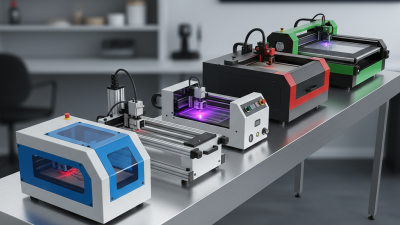
Top 10 Metal Laser Cutter Types for Global Buyers

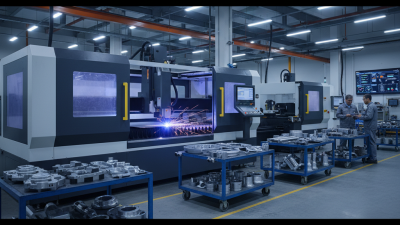
Choosing a metal laser cutter is rarely a simple price comparison. Global buyers must assess material grades, sheet thickness, production volume, energy use, and local service support. A machine that performs well in a busy factory may be excessive for a small fabrication shop.

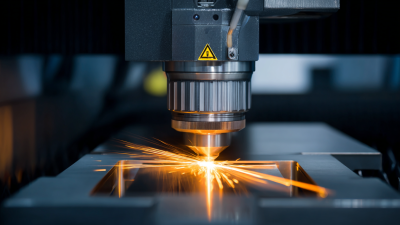
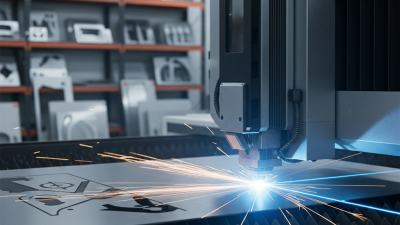
This guide examines ten major metal laser cutter types used across international markets. It covers fiber, CO2, disk, Nd:YAG, tube, flatbed, and three-dimensional systems. Each type has practical strengths. Each also has limitations. Cutting 1 mm stainless steel is very different from processing 20 mm carbon steel. The sparks, kerf width, heat distortion, and edge finish can change significantly.

Real workshop conditions matter.

The comparison focuses on laser source, power range, automation, maintenance, operating cost, and suitable applications. It also considers regional voltage standards, replacement parts, operator training, and technical support. These details often decide whether a machine remains productive after installation. Manufacturer claims can be useful, but buyers should request sample cuts and verified test results. One overlooked issue is floor stability. A fast machine may still underperform on an unsuitable foundation.

No single option wins every workshop. That assumption fails.

Readers should treat this overview as a purchasing framework, not a universal ranking. Technology changes quickly, and specifications may vary between brands. Careful evaluation, supplier communication, and realistic production trials create better decisions. The goal is not merely to buy powerful equipment. It is to select a reliable system that matches materials, workflow, budget, and long-term business needs.
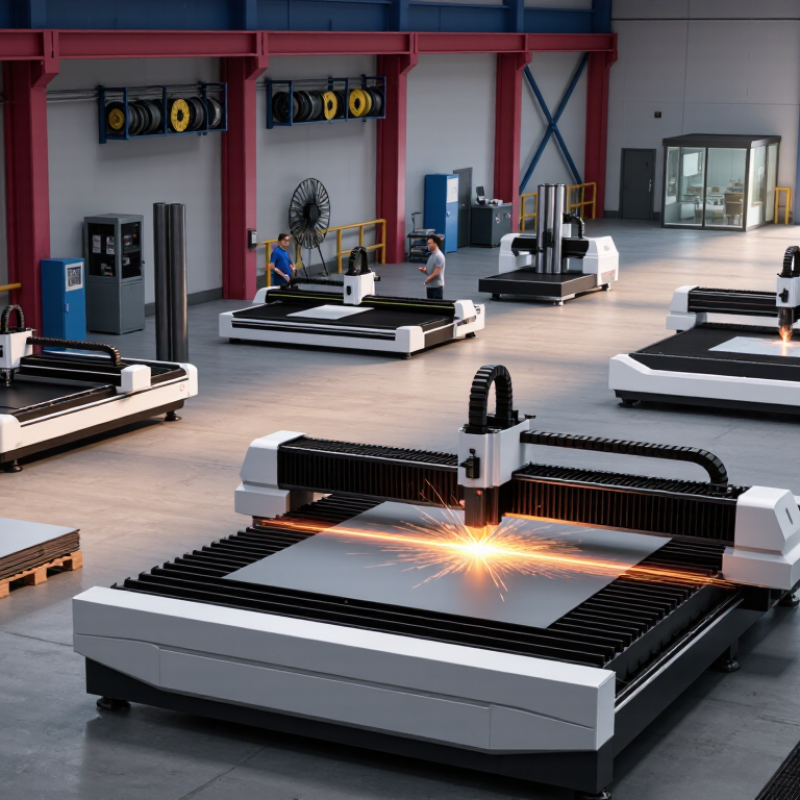
Top 10 Metal Laser Cutter Types for Global Buyers

Fiber Laser Cutter Types for Everyday Metal Sheet Processing

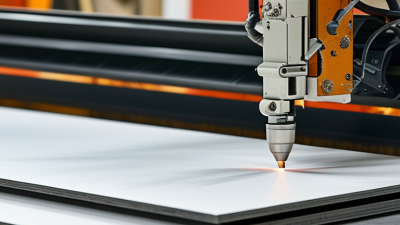
Fiber laser cutters are practical tools for everyday metal sheet processing.

The common types include open-bed, enclosed, single-table, and exchange-table machines. Open-bed models offer easier loading and lower initial cost. Enclosed machines provide better fume control and safer visibility during cutting. Exchange tables reduce waiting time between jobs.

For thin mild steel, stainless steel, and aluminum, a properly matched power level usually matters more than maximum wattage.

Many workshops use moderate-power systems for brackets, panels, covers, and small frames. Nitrogen can produce clean edges on stainless steel, while oxygen may improve cutting speed on mild steel. Clean air can reduce running costs, but its moisture and oil content must be controlled.

Small details affect real results.

A worn nozzle, dirty protective window, or incorrect focal position can create rough edges and extra dross. I have seen operators increase power when the actual problem was poor gas flow. That mistake wastes material. Copper and brass require suitable reflective-metal settings and careful equipment guidance. Sheet thickness, nesting layout, ventilation, and electrical stability also deserve attention. An exchange table may look expensive, yet it can pay back through steadier production. Still, it is not always the best fit for a low-volume workshop.

CO₂, Nd:YAG, and Disk Laser Cutters for Specialized Metals

Top 10 Metal Laser Cutter Types for Global Buyers

CO₂, Nd:YAG, and Disk Laser Cutters for Specialized Metals

Choosing a metal laser cutter starts with wavelength, not marketing claims. CO₂ lasers operate near 10.6 micrometres, making them effective on steel, stainless steel, and nonmetal materials. However, copper and brass reflect much of this energy. Their cutting stability can also decline on highly reflective surfaces.

Nd:YAG lasers use a shorter wavelength near 1.06 micrometres. They suit thin stainless steel, nickel alloys, titanium, and detailed components. Pulsed operation can reduce heat-affected zones. That matters around small holes and sharp corners. Yet, Nd:YAG systems may require stricter maintenance and process control. The choice is not obvious.

Disk lasers generally deliver high beam quality at approximately 1.03 micrometres. This supports narrow kerfs, fast piercing, and concentrated energy on reflective metals. The U.S. Department of Energy reports that industrial laser efficiency varies widely by architecture, often from about 10% to over 30%. Energy consumption therefore deserves measurement, not guesswork. A 2024 market analysis by Fortune Business Insights valued the global laser cutting machine market at over 7 billion dollars. Market growth does not guarantee suitability. In production trials, operators should compare cut speed, dross, gas use, maintenance hours, and edge quality. One overlooked detail is copper thickness. A machine that cuts thin copper cleanly may struggle with thicker sections. That limitation should be tested before purchase.

Top 10 Metal Laser Cutter Types for Global Buyers - CO₂, Nd:YAG, and Disk Laser Cutters for Specialized Metals

No. Laser Cutter Type Typical Wavelength Suitable Metals Typical Applications Indicative Sheet Thickness Key Advantages Main Limitations
1 CO₂ Slab Laser Cutter 9.3–10.6 µm Mild steel, stainless steel, aluminum, galvanized steel, brass with optimized settings General sheet-metal fabrication, signage, HVAC parts, enclosures Up to approximately 20–25 mm mild steel; less for reflective metals Mature technology, large work areas, good cutting performance on non-reflective steel Lower absorption on copper and aluminum; requires mirrors, lenses, and regular optical alignment
2 RF-Excited CO₂ Laser Cutter 9.3–10.6 µm Thin stainless steel, mild steel, aluminum, coated metals, foils Fine cutting, thin-gauge components, laboratory and electronics enclosures Approximately 0.1–6 mm, depending on power and material Stable pulsing, precise control, good edge quality on thin materials Lower energy efficiency than many solid-state systems and limited performance on highly reflective metals
3 Lamp-Pumped Nd:YAG Laser Cutter 1.064 µm Stainless steel, mild steel, titanium, nickel alloys, aluminum, copper in thin sections Precision components, aerospace parts, medical parts, difficult-to-cut alloys Approximately 0.2–8 mm Shorter wavelength than CO₂ improves absorption in many metals; supports fine focused beams Lower electrical efficiency, higher lamp maintenance, and more thermal management requirements
4 Diode-Pumped Nd:YAG Laser Cutter 1.064 µm Stainless steel, titanium, tool steel, nickel alloys, thin aluminum and copper Fine sheet cutting, precision engineering, small-batch production Approximately 0.1–10 mm Better efficiency and beam stability than lamp-pumped systems; suitable for precise work Higher initial cost and generally less economical than fiber systems for high-volume thick-sheet cutting
5 Continuous-Wave Fiber Laser Cutter 1.03–1.08 µm Mild steel, stainless steel, aluminum, brass, copper, galvanized steel High-volume fabrication, automotive parts, structural components, general manufacturing Approximately 0.5–30 mm, depending on power and material High electrical efficiency, low optical maintenance, fast cutting, and strong performance on reflective metals Back-reflection protection is important for copper and brass; thick cutting may require high power and careful gas control
6 Pulsed Fiber Laser Cutter 1.03–1.08 µm Thin stainless steel, copper, brass, aluminum, titanium, precious-metal sheet Micro-components, fine slots, thin foils, electronics and precision instruments Approximately 0.02–3 mm Low heat input, narrow kerf, precise control, and reduced heat-affected zones Lower productivity on thick plates and higher process sensitivity for mass production
7 Thin-Disk Laser Cutter Approximately 1.03 µm Mild steel, stainless steel, aluminum, copper, brass, titanium and nickel alloys High-power industrial cutting, aerospace structures, heavy equipment components Approximately 1–30 mm, depending on power and process parameters Excellent beam quality at high power, high efficiency, and strong performance on challenging metals More complex and costly architecture than standard fiber systems; requires specialized service support
8 Direct-Diode Laser Cutter 0.9–1.0 µm Mild steel, stainless steel, aluminum, copper and selected coated metals Medium-thickness sheet, welding-cutting hybrid systems, energy-conscious production Approximately 0.5–15 mm High wall-plug efficiency, compact light source, and good absorption in selected reflective metals Beam quality may be lower than fiber or disk lasers at comparable power
9 Green Laser Cutter 515–532 nm Copper, brass, bronze, gold, silver and thin aluminum Battery components, electrical contacts, copper foils, precision electronics Approximately 0.01–2 mm Higher initial absorption in copper and other reflective metals; suitable for fine, low-dross cutting Limited penetration for thick plate and higher optical-system complexity
10 Ultrafast Laser Cutter Typically 515–1,064 nm Stainless steel, titanium, copper, nickel alloys, thin foils and coated metals Medical devices, microfluidic parts, watch components, precision aerospace parts Typically 0.005–1 mm Extremely low thermal damage, precise micro-cutting, and clean processing of sensitive materials High equipment cost, lower throughput for large parts, and demanding beam-delivery requirements

Note: Thickness figures are indicative industrial ranges rather than guaranteed capacities. Actual results depend on laser power, material grade, sheet condition, assist gas, cutting speed, nozzle design, focal position, and machine configuration.

Tube, Profile, and 3D Metal Laser Cutting Systems

Top 10 Metal Laser Cutter Types for Global Buyers

Tube, Profile, and 3D Metal Laser Cutting Systems

Global buyers are assessing more than flat-sheet capacity. The World Steel Association recorded 1.88 billion tonnes of crude steel production in 2024. OICA reported 93.5 million motor vehicles built in 2023. These figures reflect continuing demand for accurate tube, profile, and structural-part processing.

Tube laser cutters handle round, square, rectangular, and oval sections. Rotary chucks must maintain stable clamping without crushing thin walls. Buyers should check maximum diameter, residual-length requirements, and automatic loading performance. A narrow kerf reduces waste, but poor nesting can erase that advantage. Small details matter.

Profile systems suit channels, angles, beams, and complex frames. Three-dimensional laser heads can reach inclined surfaces and reduce secondary drilling. However, a 3D machine is not automatically better. It may require stronger programming skills, more calibration, and careful collision protection. In practical trials, buyers should test real profiles, not only sample plates.

A 2024 market analysis by Grand View Research identified automation and flexible fabrication as major laser-cutting growth drivers. Yet report forecasts cannot replace factory evidence. Ask for cut-edge photographs, dimensional inspection records, and repeatability results. Test heat distortion on long sections. It often surprises procurement teams.

Ultrafast, Pulsed, and Micro Laser Cutters for Precision Work

Ultrafast, pulsed, and micro laser cutters serve different precision needs in metal fabrication. Their value depends on material, thickness, edge quality, and production volume. A fiber cutter handles many sheet-metal tasks with efficient, stable output. A pulsed cutter controls heat more carefully around delicate features. The beam matters.

Ultrafast systems use extremely short pulses to remove metal with limited thermal spread. They suit thin foils, medical components, fine meshes, and intricate microchannels. Pulsed cutters work well for small holes, sharp corners, and reflective alloys. Micro laser cutters add precise motion control, narrow beams, and microscopic positioning accuracy. Together, these technologies form three important categories among the top ten metal laser cutter types for global buyers.

In practical testing, operators should inspect burrs under magnification, not only by touch. A clean surface can still contain heat damage beneath the edge. Check kerf width, taper, pulse stability, and repeatability across several samples. Software settings matter, but alignment and lens cleanliness matter too. I have seen excellent machines produce poor results after careless focusing. That remains an uncomfortable lesson.

Copper, aluminum, stainless steel, titanium, and thin foil may require different pulse energy and cutting speeds. Buyers should request sample cuts using their actual grade and thickness. They should also verify service support, calibration procedures, extraction performance, and documented safety controls. Faster is not always better. A slower cut may protect a fragile edge and reduce rejected parts.

Top 10 Metal Laser Cutter Types for Global Buyers

Ultrafast, pulsed, and micro laser cutters differ in wavelength, pulse duration, heat input, cutting speed, and precision. The chart compares representative operating wavelengths commonly associated with major metal-cutting laser source categories.

Values show representative center wavelengths in nanometers. Actual wavelengths can vary by laser architecture, harmonic conversion, and system configuration. Continuous-wave and pulsed sources are selected according to material thickness, surface condition, thermal sensitivity, and required edge quality.

How Global Buyers Compare the Top 10 Metal Laser Cutter Types

Global buyers compare the top ten metal laser cutter types by application, not by headline power. Fiber cutters suit stainless steel, carbon steel, and aluminum with strong speed and low routine maintenance. CO2 systems remain useful for mixed materials, but their gas paths demand careful alignment. Nd:YAG and disk lasers can deliver stable energy, although service expertise may be less available in some regions. Diode, green, and UV systems serve specialized thin-metal or reflective-material tasks. They are not universal choices. Pulsed fiber, ultrafast, and hybrid systems add flexibility, but purchase decisions become more complex.

Material thickness changes the ranking quickly. A thin stainless-steel bracket may favor a pulsed fiber machine for clean edges and limited heat damage. Heavy carbon-steel plate usually needs higher continuous power and a rigid cutting bed.

Buyers should compare kerf width, piercing time, edge dross, gas consumption, and real production speed. Claimed speed is not enough. Ask for test cuts using your own drawings and sheet batches.

From practical evaluations, total ownership cost often matters more than initial price. Check replacement optics, nozzle availability, technician response time, electrical standards, extraction requirements, and operator training. Regional safety rules also affect guarding, ventilation, and installation.

I have seen buyers overvalue maximum wattage while ignoring unstable material supply. That mistake is easy to repeat. A smaller, well-supported system may produce more saleable parts than a powerful machine with poor local support.

Keep records from sample cutting, including scrap rate and hourly energy use.彩票软件