Why Choose Galvanized Nails for Your Next Project?
When considering construction materials, the choice of fasteners is crucial. Galvanized nails stand out for their durability and corrosion resistance. According to the International Journal of Corrosion, galvanized nails have a lifespan that is significantly longer than their non-galvanized counterparts. This increased longevity can result in lower maintenance costs over time.
The added zinc coating offers essential protection against rust, especially in humid environments. The American Society for Testing and Materials (ASTM) confirms that galvanized nails can withstand diverse weather conditions. They are ideal for roofing, siding, and outdoor projects. However, even this high-quality option has its limitations. The coating can wear off under extreme conditions, which may lead to rust if not monitored.
Many professionals appreciate the ease of use of galvanized nails. They can be driven into various materials without split wood. Yet, not every project may require such specialized fasteners. Assessing the environment and material is vital. In some cases, alternatives might be more suitable, depending on specific conditions. Balancing cost, durability, and application is essential in the selection process.
Understanding Galvanized Nails: Definition and Composition
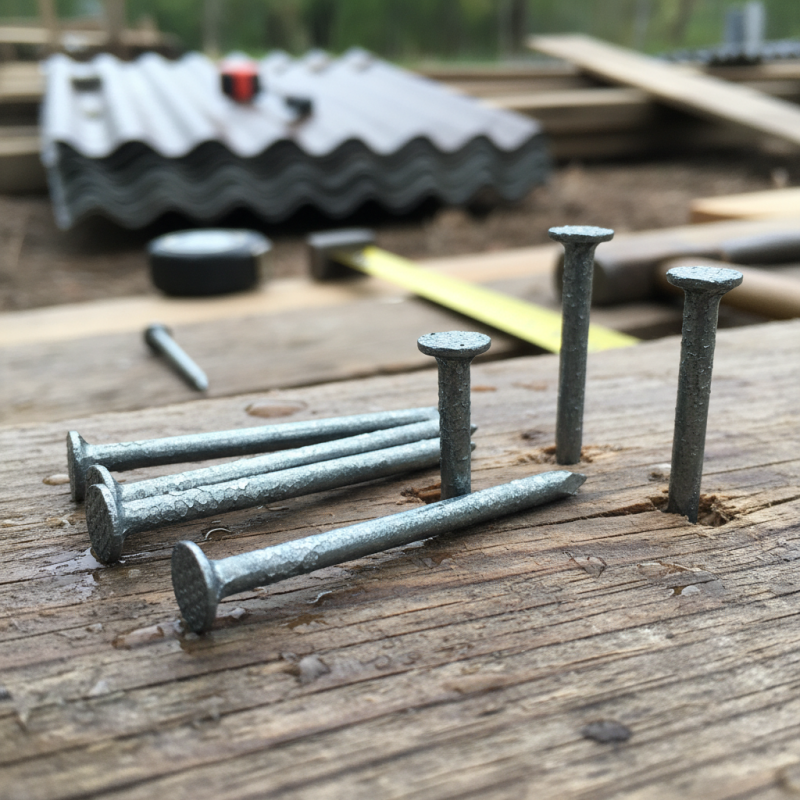
Galvanized nails are essential in various construction projects. They are made by coating steel with zinc. This coating provides added protection against rust and corrosion. Industry data indicates that galvanized nails can last up to three times longer than non-galvanized ones in moist environments. This makes them a reliable choice for both indoor and outdoor use.
The composition of galvanized nails is crucial. These nails typically consist of high-carbon steel, which offers strength. The zinc coating can vary in thickness. Thicker coatings provide better corrosion resistance. According to a report by the American Galvanizers Association, nails with a coating weight of 1.2 oz/ft² can withstand harsher conditions. However, not all projects require the same level of durability. Some applications may not need heavy-duty screws, which could lead to over-spending.
While galvanized nails are effective, they are not perfect. Performance can diminish in certain environments, such as those exposed to chlorides. Using them in unsuitable conditions may shorten their lifespan. This often goes unnoticed until issues arise. Understanding their limitations is key for successful projects.
Benefits of Using Galvanized Nails in Construction Projects
Galvanized nails offer significant advantages in construction projects. Their zinc coating provides superior corrosion resistance. This is especially important in humid or outdoor environments. A report from the American Society of Civil Engineers shows that galvanized fasteners can increase a structure's longevity by up to 30%. Many builders can overlook this crucial detail when planning.
Using galvanized nails can also enhance structural integrity. They maintain strength while exposed to elements. The National Forest Products Association indicates that using galvanized nails in treated wood can prevent premature failures. This is vital for projects where wood is regularly in contact with soil or moisture. Some builders still choose standard nails, but they may experience costly repairs later.
It's worth noting that while galvanized nails resist rust, they aren't immune to wear. Instances of zinc breakdown can occur over time, particularly in coastal areas. This means regular inspections are necessary. Balancing cost and longevity is essential for any project. Galvanized nails may have a higher upfront cost, but their durability often yields long-term savings.
Comparing Galvanized Nails to Other Types of Fasteners
When considering fasteners for construction or DIY projects, galvanized nails stand out due to their durability. They are coated with zinc, which offers corrosion resistance. Studies show that galvanized nails can last up to 30 years in outdoor conditions. This impressive lifespan makes them a priority for builders in humid or wet climates.
Comparatively, stainless steel nails provide superior strength but come at a higher cost. According to industry reports, stainless steel has better resistance to certain chemicals but is often overkill for standard applications. On the other hand, uncoated steel nails are more affordable but are prone to rust and degradation. For projects exposed to moisture, these nails may fail quickly.
Galvanized nails represent a balanced option—cost-effective with solid performance. However, they may not be suitable for all environments. For instance, using them in highly acidic conditions can lead to premature failure. It's essential to match your choice of fastener with specific environmental needs to avoid costly repairs down the line. That said, the right fastener can significantly enhance the longevity and integrity of your project.
Best Practices for Using Galvanized Nails Effectively
Using galvanized nails in your projects can enhance durability. They resist rust and corrosion. This is important for outdoor or humid environments. However, it’s crucial to use them correctly for best results.
Always pre-drill holes when necessary. This helps avoid splitting the wood. If you’re working with dense materials, don’t skip this step. You’ll save time and reduce mistakes. Ensure the nails are driven in straight. Misalignment can weaken the joint.
Tip: Check the length of your nails. Too short might not hold, while too long can cause problems. Use a hammer with controlled strength to avoid bending the nail. Remember, not every nail fits every job. It’s essential to consider the project’s specific needs. Reflect on these details while working to improve your craft.
Why Choose Galvanized Nails for Your Next Project? | Property | Description | Best Use Case |
| Corrosion Resistance | Galvanization provides a protective layer that prevents rust and corrosion. | Outdoor projects and high-moisture environments. |
| Durability | Galvanized nails last longer than regular nails due to their protective coating. | Structural framing and applications requiring long-lasting fasteners. |
| Cost | Typically, galvanized nails are slightly more expensive than non-galvanized nails. | When long-term use justifies the initial cost. |
| Applications | Suitable for various materials, including wood and metal. | Construction of decks, fences, and roofing. |
| Installation | Galvanized nails can be installed using typical tools; however, care is needed to avoid bending. | General construction and DIY projects. |
Common Applications for Galvanized Nails in Various Projects
Galvanized nails are versatile and durable, making them ideal for many applications. In construction, they are often used in framing and roofing. The zinc coating provides resistance to rust, extending the lifespan of the structure. According to a report by the American Galvanizers Association, galvanized nails can last up to six times longer than non-galvanized alternatives in outdoor settings.
In woodworking projects, these nails are useful for attaching trim, decking, and siding. Their ability to resist corrosion is crucial in areas with high moisture levels. A study from the National Association of Home Builders found that using galvanized nails in outdoor structures can reduce maintenance costs by up to 30% over time.
However, challenges remain. Misapplication can lead to premature rusting if the wrong type of galvanized nail is used. Additionally, while the initial cost is often higher, the long-term benefits can be overlooked. Users need to consider the specific conditions of their projects carefully before making a choice. Understanding these factors can lead to better decision-making in construction and design.
Why Choose Galvanized Nails for Your Next Project?
