How to Choose the Best Fiber Laser Cutter in China?
Choosing the best fiber laser cutter in China starts with the work it must handle, not the largest power rating on a product page. Sheet thickness, metal type, daily workload, and required edge quality all affect the right configuration. A shop cutting thin stainless steel has different needs from a plant processing thick carbon steel. Details matter.
Compare the laser source, cutting head, motion system, control software, and extraction setup as one system. Ask suppliers for sample cuts using your own material and thickness. Inspect the edge, kerf, corners, and consistency—not only the machine’s advertised speed. A quick demonstration can look convincing. Production is different. Request clear specifications, a written quotation, and details about installation, operator training, spare parts, and service response times. Verify what is included, because similar-looking offers may cover different components.
A reliable evaluation also considers the supplier’s manufacturing experience and its ability to explain technical trade-offs plainly. Check references where possible, and review documentation rather than relying on broad claims. If you cannot visit the factory, request a live video inspection of assembly, testing, and quality checks. No checklist is perfect; real cutting is often messier than a brochure suggests. Be cautious when specifications seem unusually vague or performance promises lack test conditions. The best fiber laser cutter is not automatically the most powerful or cheapest. It is the machine whose verified performance, support, and operating costs fit your actual production needs.
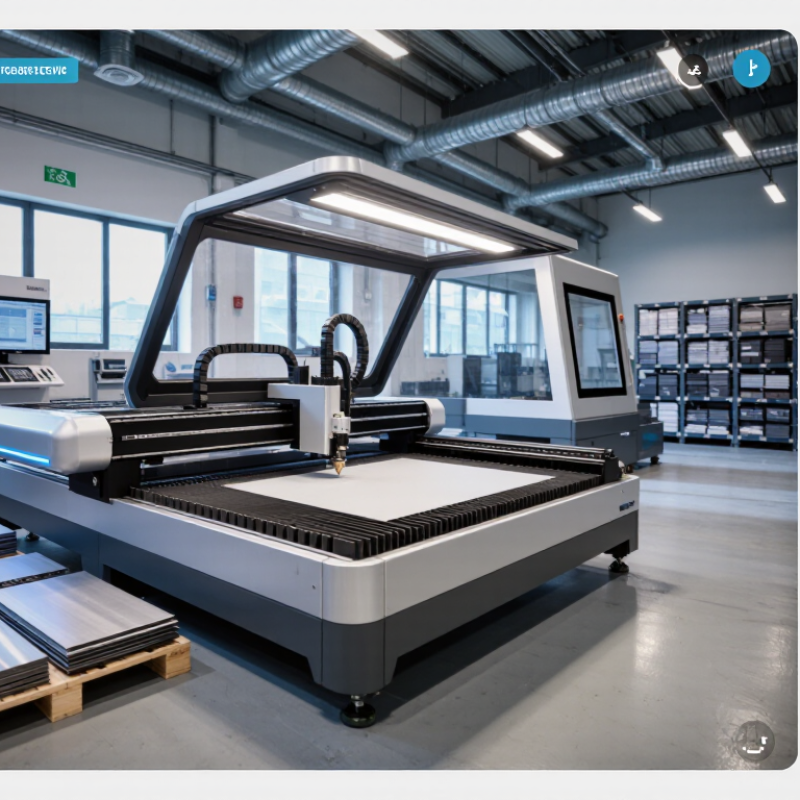
Define Your Materials, Cutting Tasks, and Production Requirements
Before comparing fiber laser cutters in China, define the materials you actually process. Stainless steel, mild steel, and aluminum behave differently, even at similar thicknesses. Record each material grade, sheet size, thickness range, and monthly volume. Be specific. “Mostly thin sheet” is not enough.
Next, describe the cutting tasks. Do you need clean edges on intricate parts, fast straight cuts, or frequent changes between job types? Note the smallest holes, narrowest slots, and tolerances your drawings require. A higher laser power may help with thicker stock, but it will not fix poor material handling or an unsuitable cutting setup. Test cuts on your own material can reveal issues a brochure cannot. They take time.
Production requirements matter just as much. Estimate shifts per day, typical batch sizes, setup time, and how often operators load sheets. Check that the working bed fits your common formats, with room for safe handling. Ask what support is available for installation, operator training, and routine maintenance. These details are easy to overlook. I would also challenge one assumption: your current bottleneck may be loading or nesting, not cutting speed. If so, buying a faster machine may bring less improvement than expected.
Compare Laser Power, Work Area, Precision, and Automation Features
When choosing a fiber laser cutter in China, match power to the materials and thickness you actually process. Higher wattage can increase cutting speed, but it may also raise energy use and operating costs. Ask suppliers to cut sample parts using your material, assist gas, and target thickness. A clean edge matters more than a headline power rating.
Check the work area against real production needs. A 3-by-1.5-meter sheet, for example, needs room for loading and unloading, not just a matching machine bed. For precision, compare stated positioning accuracy and repeatability, then inspect holes, corners, and narrow contours on a test piece. Specifications alone can be misleading. I would not rely on one sample, either; material variation can change results.
Automation deserves equal attention. Look for practical features such as automatic nozzle changes, sheet loading, and cutting-head collision protection. These can reduce handling delays, but only when they fit your workflow. The International Federation of Robotics’ World Robotics 2024 report recorded 541,302 industrial robot installations worldwide in 2023, showing the scale of industrial automation. That matters. Still, a small workshop may gain more from reliable setup and local technical support than from a complex automated line. Do the payback math carefully.
How to Choose the Best Fiber Laser Cutter in China? - Compare Laser Power, Work Area, Precision, and Automation Features
| Representative Machine Configuration |
Laser Power |
Usable Work Area |
Typical Stated Positioning Accuracy* |
Typical Applications |
Automation Features |
Best Fit |
| Entry-level flat-sheet cutter |
1–2 kW |
3,000 × 1,500 mm |
Around ±0.03 mm/m |
Thin sheet, signs, cabinets, and general fabrication |
Manual loading; standard cutting head; optional shuttle table |
Small workshops and lower-volume production |
| General-purpose production cutter |
3–6 kW |
6,000 × 2,000 mm |
Around ±0.03 mm/m |
Mixed-gauge carbon steel, stainless steel, and aluminum sheet |
Dual shuttle table; automatic focus; optional nozzle changer |
Job shops handling varied materials and batch sizes |
| High-output sheet-metal cutter |
8–12 kW |
6,000 × 2,000 mm |
Around ±0.03 mm/m |
High-throughput cutting of medium and heavier sheet |
Shuttle table; automatic focus; optional sheet loading and unloading system |
Manufacturers prioritizing throughput and reduced handling time |
| Large-format automated production line |
12–20 kW |
Up to approximately 12,000 × 2,500 mm |
Around ±0.03–0.05 mm/m, depending on machine design |
Large-format plate and high-volume industrial parts |
Automatic loading and unloading; storage tower; production monitoring options |
Continuous production where floor space and material flow are planned for automation |
*Figures are representative configuration ranges, not guarantees for a particular machine. Confirm positioning accuracy, repeatability, cutting results, supported materials, and automation scope with the supplier. Practical cutting capacity and speed depend on material grade, thickness, assist gas, optics, and process settings.
Evaluate Chinese Manufacturers, Factory Capability, and Product Quality
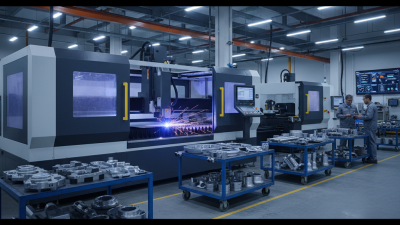
Choosing a fiber laser cutter in China starts with evaluating the manufacturer, not just comparing headline power or price. Ask how long the factory has built cutting systems and whether engineers oversee assembly and testing. A production floor can reveal a lot: check cable routing, protective covers, clean wiring, and whether machines are assembled in a consistent process. Small details matter.
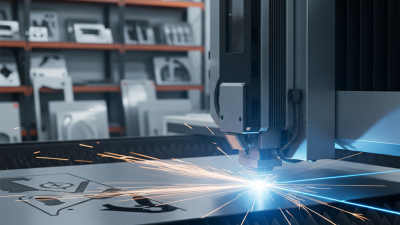
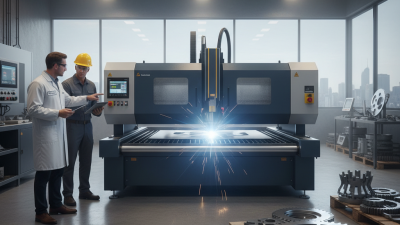
Request a live cutting demonstration using your own material and sample files. Examine edge smoothness, corner quality, kerf width, and consistency across repeated cuts. Ask for test results at several thicknesses, plus records for calibration and final inspection. A polished showroom demonstration is useful, but it cannot replace evidence from routine factory testing. Ask for evidence.
Product quality also depends on support after delivery. Clarify which components are made in-house, which come from outside suppliers, and how replacement parts are handled. Ask whether technicians provide commissioning guidance and practical operator training. These answers should be specific, not vague promises. If possible, speak with existing customers who cut materials similar to yours.
No factory visit can remove every uncertainty. I would still want a written acceptance test before shipment, with agreed sample parts and measurable tolerances. It takes extra time. Yet checking these details can help distinguish a capable manufacturing partner from a seller focused mainly on specifications.
How to Evaluate a Fiber Laser Cutter Manufacturer in China
Suggested audit priorities on a 1–5 scale. Scores are an illustrative evaluation framework, not measured ratings of Chinese manufacturers.
Review cutting-test results for your materials and thicknesses, verify quality-control records and component traceability, and assess factory processes, service coverage, and spare-parts availability before making a purchasing decision.
Check Safety Standards, Warranty Terms, Training, and After-Sales Support
How to Choose the Best Fiber Laser Cutter in China?
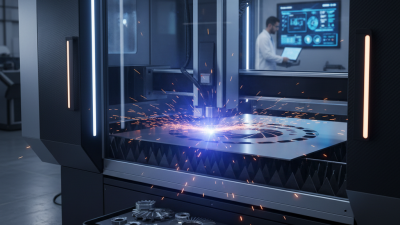
When comparing machines, ask for the applicable safety certificates and test reports, then verify that they match the exact model. Check the enclosed cutting area, door interlocks, emergency stop, and fume-extraction setup. During a demonstration, watch whether the machine stops when an access door opens. A polished video is not enough. No checklist catches every installation issue, so have a qualified technician review the workshop layout and power requirements before delivery.
Read the warranty carefully, including coverage for the laser source, cutting head, and electrical components. Confirm the coverage period, exclusions, shipping costs, and expected repair response in writing. Ask what happens if a critical part fails during production. Training should cover setup, focusing, routine cleaning, and alarm recovery—not just basic operation. A short session may feel sufficient, but operators often need practice with real material and thickness settings. Clarify whether support is available in your language and across your working hours.
Tips: Request a sample maintenance schedule, spare-parts list, and support contact before paying. Test the alarm. Keep the answers with your purchase records.
Compare Total Ownership Costs and Confirm Performance with a Sample Cut
A low purchase price does not always mean a lower-cost fiber laser cutter. Compare the full cost of ownership over several years, not just the machine quotation. Include freight, customs handling, installation, operator training, and any site upgrades. Then estimate electricity, assist gas, consumables, maintenance, and expected downtime. Small omissions add up.
Ask suppliers in China to specify what the warranty covers, how quickly common spare parts can be shipped, and what remote support includes. Check whether training and commissioning are included or billed separately. A clear cost sheet makes offers easier to compare. Still, estimates can be wrong: cutting hours, local service access, and material prices may change.
Before placing an order, request a sample cut using your own material, thickness, and part geometry. Inspect the edge for burrs, heat marks, and taper, then measure the kerf and critical dimensions. Ask for the cutting time and settings, and repeat the test if possible. One polished sample proves little. A witnessed run with several parts can reveal inconsistency, handling delays, or quality problems that a brochure will not show. Keep the sample and test records for comparison during acceptance.