Global product teams need prototype machining partners that deliver more than fast CNC parts. They need measured accuracy, clear communication, and dependable engineering judgment. A prototype may look simple on a screen. In production, a 0.08 mm tolerance can affect assembly, sealing, or testing results.
Industry reports underline this pressure. The 2024 Wohlers Report valued the global additive manufacturing industry at approximately $20.035 billion in 2023. That growth strengthens hybrid development, where additive concepts and prototype machining support different validation needs. Deloitte’s 2024 Global Manufacturing Industry Outlook also identifies supply-chain resilience, digital production, and skilled labor as continuing priorities. These issues directly influence supplier selection in China.
Details matter.
Dr. Scott Smith, a widely recognized machining researcher, has often emphasized the importance of process stability. His practical message is simple: “Stable cutting conditions produce predictable parts.” That principle applies to aluminum housings, stainless-steel fixtures, medical-device enclosures, and tight-fitting plastic molds. Strong suppliers document material certificates, tool paths, inspection results, and revision changes. They also explain limitations before cutting metal.
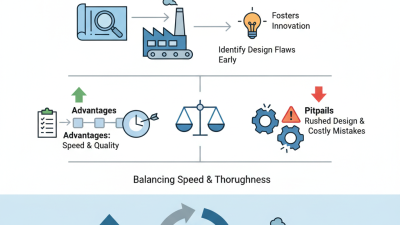
No supplier is perfect. That is worth admitting. Surface marks can appear. Tolerances may need clarification. A rushed drawing can create avoidable rework. Reliable prototype machining therefore depends on transparent review, not attractive promises alone. This guide examines capable Chinese machining services for global buyers. It focuses on quality systems, equipment, materials, lead times, communication, and practical risk control. The best choice is rarely the cheapest quotation. It is the supplier that makes technical uncertainty visible early.
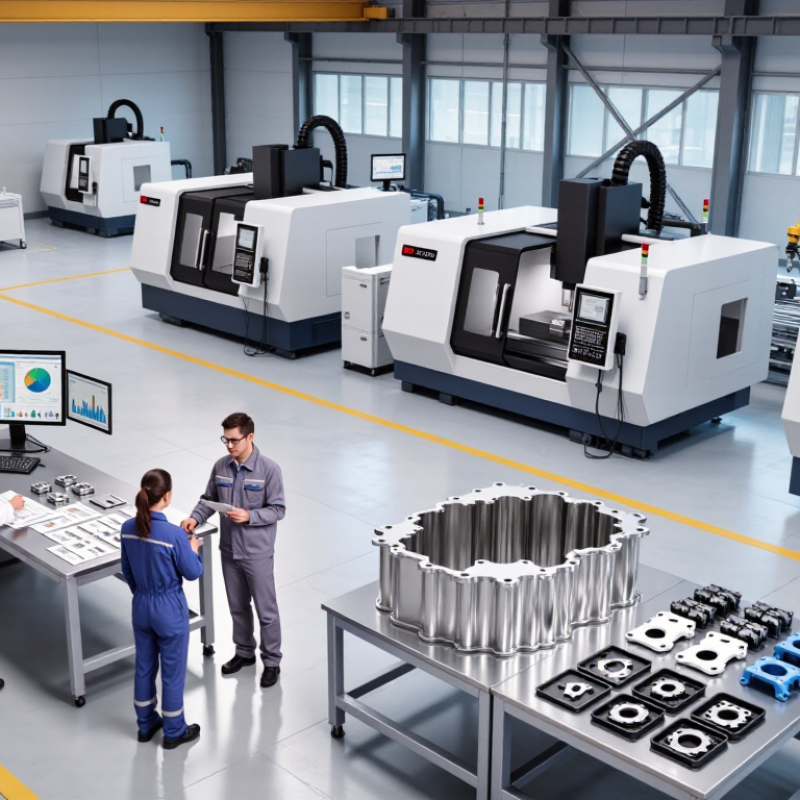
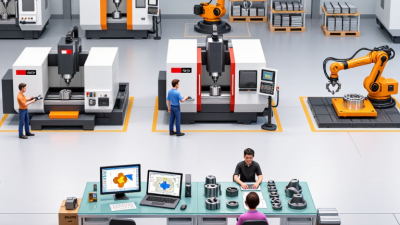
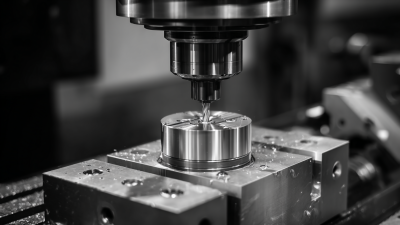
China prototype machining services usually cover design review, CNC milling, CNC turning, material sourcing, finishing, inspection, and delivery. Engineers study wall thickness, sharp corners, holes, and tool access before cutting metal. This design-for-manufacturing review can reduce rework and shorten sampling cycles.
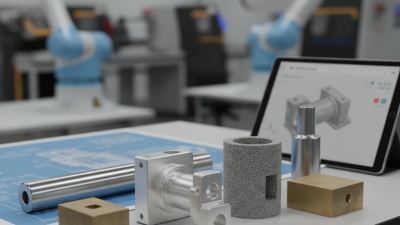
A typical order may include aluminum, stainless steel, brass, engineering plastics, or hardened steel. Machinists then apply anodizing, bead blasting, polishing, plating, or powder coating. Inspection often uses calipers, height gauges, optical systems, and coordinate measuring machines. Reports can include dimensional results, material certificates, and photographs. The ISO Survey 2023 recorded 1,265,216 valid ISO 9001 certificates worldwide, showing how widely structured quality systems are used.
Digital communication matters. Deloitte’s 2024 Smart Manufacturing and Operations Survey found that 86% of manufacturers expect smart manufacturing to become a major competitiveness factor within five years. Online drawings, revision control, and production updates support that shift. However, automated quoting is not flawless. A thin rib may look acceptable in a model but distort during machining. I still recommend confirming tolerances, surface requirements, inspection points, and intended use before production. Small details matter. A practical supplier should also clarify lead time, minimum order expectations, packaging, and whether a prototype can be adjusted after testing.
When evaluating China-based machining suppliers, inspect evidence before promises. Ask for recent inspection reports, material certificates, and sample measurement records. A capable supplier should explain tolerances, surface finishes, and datum references in plain language. ISO’s 2022 Survey recorded more than 1.2 million ISO 9001 certificates worldwide. Certification helps, but it does not replace process verification.
Review equipment against your prototype’s real requirements. Check machine travel, spindle capability, probing systems, and experience with aluminum, stainless steel, or engineering plastics. Request a controlled test piece with hidden dimensions. Compare the supplier’s results against your drawing, not against a flattering presentation. Deloitte’s 2023 Smart Manufacturing Survey found that 86% of manufacturing leaders considered smart manufacturing important for competitiveness within five years. Digital inspection records should therefore be visible and traceable.
Communication is a production capability. Ask how engineers handle unclear drawings, late design changes, and failed first articles. Their answer should include revision control, corrective actions, and a named technical contact. Confirm lead times using a small pilot order, then inspect packaging and labeling before scaling.
No scorecard is perfect. I would still leave room for judgment, because a clean audit file can hide weak shop-floor discipline.
A five-minute video call may reveal more than ten polished certificates.
Prototype machining for global buyers starts with material discipline. Aluminum 6061 suits lightweight housings, brackets, and test fixtures. Aluminum 7075 offers higher strength but costs more and can be less forgiving during finishing. Stainless steel 304 and 316L support corrosion-sensitive assemblies. POM works well for low-friction bushings and guides. Material choice should match the real load, temperature, and chemical exposure, not only the CAD model.
Process selection changes the result. Three-axis CNC milling handles simple prismatic parts, while five-axis machining reduces setups for angled surfaces. CNC turning is efficient for shafts, pins, and threaded components. Sheet-metal bending can reduce cost for enclosures, although bend allowances are often underestimated. The 2024 Wohlers Report recorded a 13.5% expansion in global additive manufacturing, reaching about 20.0 billion dollars in 2023. This growth shows why machined prototypes are increasingly combined with printed parts during early validation.
Surface treatment also needs early planning. Anodizing improves aluminum wear resistance and appearance, while passivation supports stainless-steel cleanliness. Tight tolerances should be limited to functional areas; applying them everywhere increases cost without improving performance. ISO 2768 can guide general tolerances, but critical interfaces need drawing-specific requirements. A perfect drawing can still produce a poor prototype if fixtures, tool access, or inspection methods are ignored. That is the uncomfortable part. Experienced suppliers should report these risks before cutting metal, even when the requested geometry looks straightforward.
Global buyers need more than a precise prototype. They need measurable proof that each part matches the approved design. Reliable prototype machining begins with a documented quality plan. This plan covers material verification, drawing review, machine setup, and final inspection.
Experienced suppliers use calibrated micrometers, gauges, and coordinate measuring machines. Inspection records should show actual dimensions, not only pass or fail results. Material certificates help confirm alloy grade, hardness, and heat treatment. First article inspection can reveal problems before production quantities increase. Critical features deserve tighter monitoring.
Traceability matters.
Each part should connect to a batch, operator, machine, and inspection report. A quality management system based on ISO 9001 can support consistent procedures and corrective actions. However, certification alone does not guarantee perfect workmanship. Buyers should review sample reports, calibration dates, tolerance capability, and nonconformance records. Clear communication also reduces risk across time zones.
A practical supplier shares photos of inspection setups and flags uncertain dimensions early. This honesty is valuable. No process is flawless, especially when prototypes involve tight tolerances or incomplete drawings. One common weakness is relying too heavily on final inspection. In-process checks can prevent repeated defects and wasted material. Global buyers should confirm packaging, labeling, and shipping documentation before dispatch. These small details often decide whether a prototype is ready for testing.
Best China Prototype Machining Services for Global Buyers
Ordering, Shipping, and Cost Considerations
China prototype machining services can support global buyers when specifications are clear and commercially realistic. Send 3D files, 2D drawings, material grades, surface requirements, and required quantities. Include critical tolerances and inspection points. A STEP file helps, but it cannot replace complete drawings. Vague specifications often create expensive revisions. Request a design-for-manufacturing review before production begins. Ask whether thin walls, deep cavities, or tight tolerances need adjustment.
Compare quotations by scope, not only by unit price. Confirm tooling, programming, finishing, inspection, packaging, and sample charges. Ask for a written production schedule with approval stages. A first article inspection can reveal issues before the full batch. Photos are useful, but dimensional reports are more reliable. Specify acceptable measurement equipment and report formats. I have sometimes focused too heavily on price, which made later corrections more expensive. That was poor planning.
Shipping terms should be confirmed before payment. Clarify whether the quote includes export packing, freight, customs clearance, duties, and local delivery. Air shipping suits small urgent parts, while sea freight may reduce costs for heavier orders. Protect machined surfaces with separators, corrosion prevention, and rigid cartons. Request commercial invoices, packing lists, and origin documents when required. Calculate landed cost, not just the factory price. Currency changes, customs delays, and rework can affect the final budget. Leave a practical contingency. Estimates are never perfect.
The chart compares typical business-day delivery timelines and relative shipping cost levels for prototype orders shipped from China. Express shipping is usually the fastest option, while sea freight offers the lowest relative cost for larger or less urgent shipments. Actual lead times depend on part complexity, quantity, finishing requirements, customs clearance, and destination.