China’s CNC metal cutting sector serves automotive, aerospace, machinery, and toolmaking customers. A buyer comparing manufacturers should look beyond machine count. Spindle stability, cutting accuracy, control systems, service coverage, and documented quality checks all affect daily production. Small errors matter.
Grand View Research estimated the global CNC machine market at USD 101.2 billion in 2023, with projected growth through 2030. Its figure covers CNC machines broadly, not metal-cutting equipment alone. The International Federation of Robotics reported 541,302 industrial robot installations worldwide in 2023, with China accounting for 276,288. These figures indicate a substantial automation ecosystem, though robot installations are not a direct measure of CNC demand. W. Edwards Deming, a manufacturing-quality expert, wrote, “Quality comes not from inspection, but from improvement of the production process.” That principle matters when evaluating how manufacturers control repeatability, not just how they describe it.
This Top 10 overview introduces Chinese manufacturers with different strengths, from high-volume production systems to specialized cutting solutions. It considers product range, technical capability, export experience, and support after delivery. Company claims can be difficult to compare, and published specifications do not always reveal performance on a buyer’s actual material or part geometry. Ask for relevant test results where available. A machine that looks impressive in a brochure may not fit every shop floor.
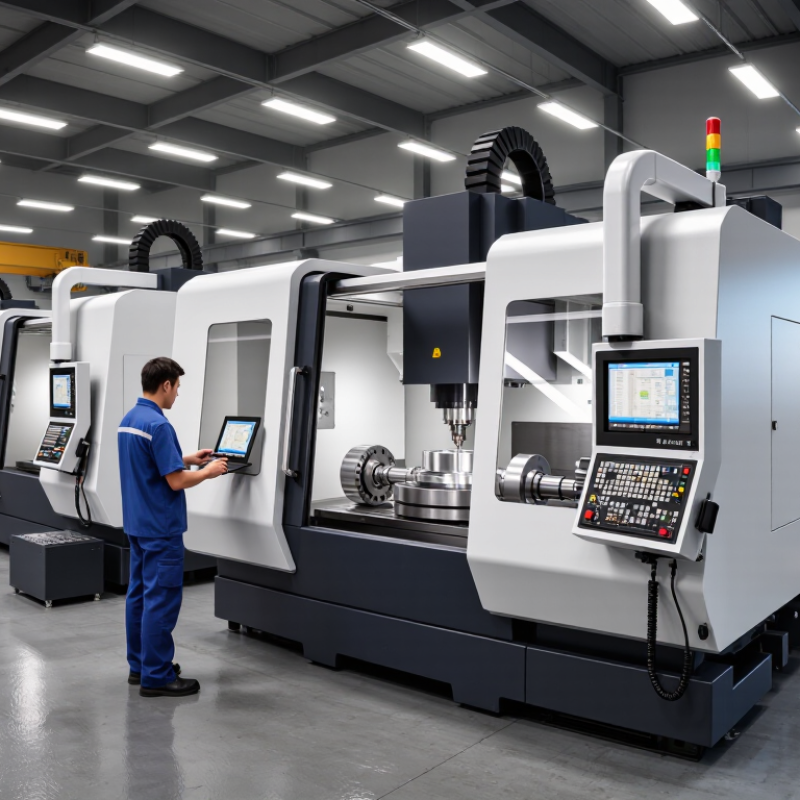
A credible ranking starts with verifiable shop-floor evidence, not polished catalog photos. Grand View Research estimated the global CNC machine market at US$101.22 billion in 2023; that figure shows industry scale, not supplier quality. Evaluators should compare machine travel, spindle capability, material range, and demonstrated tolerances. Ask for sample parts made from the same alloy and thickness as your job. Inspect edges, burrs, and finish under consistent lighting. Proof matters.
Technical checks should include traceable inspection records and axis-positioning test results; ISO 230-2 provides methods for measuring accuracy and repeatability. Rankings can also assess calibration routines, quality-system documentation, delivery performance, and how quickly engineers resolve production issues. A supplier’s stated tolerance is not enough. Request measurement reports. This is where judgment gets messy: published scores depend on chosen weights, and a small test sample may not represent daily production. A transparent ranking should disclose its criteria and distinguish verified measurements from supplier claims.
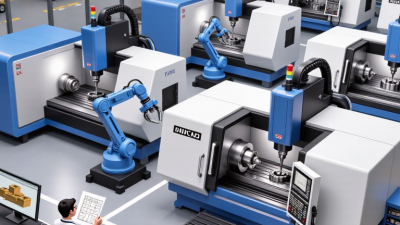
China’s CNC metal cutting industry spans compact job shops and automated production lines. Common processes include turning, three- to five-axis milling, grinding, and wire cutting. Modern machines use probing systems to check workpiece positions before cutting. Tool-life monitoring can flag wear before edges begin leaving burrs. These details matter when a part needs clean bores, consistent threads, or closely matched mating surfaces.
Automation is expanding. The International Federation of Robotics’ World Robotics 2024 report recorded 276,288 industrial robots installed in China during 2023, roughly 51% of global installations. This figure describes industrial robots, not CNC machines, but it signals a broad automation base supporting machine tending and material handling. In metalworking cells, robots can load blanks while operators inspect first-off parts and verify dimensions with calibrated gauges.
Capability still varies sharply between suppliers. A five-axis mill may reach angled features in one setup, reducing repeated clamping and alignment errors. Yet expensive equipment alone does not guarantee stable tolerances. Temperature drift, tool runout, fixture stiffness, and operator practice all affect results. Small details count. Buyers should review sample inspection records, process-control plans, and material traceability rather than relying on machine lists. Some workshops document these controls unevenly; that gap deserves scrutiny.
China’s CNC metal-cutting sector spans large-volume machine builders, specialist turning centers, multi-axis milling shops, and suppliers serving demanding precision work. These ten profiles compare manufacturers by practical strengths: machine rigidity, spindle range, axis configuration, control options, and the materials they routinely cut. A shop cutting stainless-steel housings has different needs from one milling aluminum parts. Small details matter.
Gardner Intelligence’s 2023 World Machine Tool Survey reported China’s machine-tool production at about US$27.1 billion in 2022, reflecting the scale of its manufacturing base. The International Federation of Robotics reported 276,288 industrial robot installations in China in 2023, or 51% of global installations. Automation can support repeatable loading and production, but it does not prove a machine’s cutting accuracy. Buyers should check test-cut records, tolerance data, service coverage, and spare-parts access.
The profiles also distinguish general-purpose builders from firms focused on heavy-duty cutting, compact equipment, or integrated production lines. Look for evidence such as sample parts, measured surface finishes, and clear maintenance intervals. Not every shop excels. Published specifications can be incomplete, and even capable suppliers may vary in delivery support; factory audits and reference checks help expose those gaps.
These anonymized profiles are organized by established machine and process specializations, not by company identity or verified market-share ranking. Equipment capabilities vary by model and configuration; confirm specifications with the manufacturer before purchasing.
| Profile | Primary Equipment | Cutting Process | Common Materials | Typical Applications | Key Evaluation Point |
|---|---|---|---|---|---|
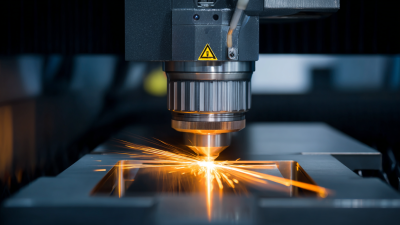
| 01 — Sheet-Metal Laser Cutting Specialist | Flat-sheet CNC fiber laser cutting machines | Focused laser beam melts or vaporizes material; assist gas helps remove molten material from the cut | Carbon steel, stainless steel, aluminum, and other laser-compatible sheet metals | Sheet-metal fabrication, electrical cabinets, machinery parts, and metal enclosures | Check the working area, material-thickness range, cutting-head configuration, and available service support. |
| 02 — CNC Tube and Pipe Laser Specialist | Rotary-chuck tube and pipe laser cutting systems | Laser cutting with controlled rotation and movement of the workpiece | Metal tubes and pipes, including common steel and stainless-steel grades | Frames, furniture, vehicle components, fitness equipment, and structural parts | Confirm the permitted tube shapes, diameter range, loading method, and support for the required cut geometry. |
| 03 — Sheet-and-Tube Laser Systems Specialist | Combined or separate CNC systems for flat sheet and tubular stock | Laser cutting configured for sheet, tube, or both, depending on the machine | Common laser-compatible ferrous and non-ferrous metals | Job shops and manufacturers producing both sheet components and tubular assemblies | Verify whether the model cuts both formats in one machine or requires separate equipment and setups. |
| 04 — CNC Plasma Cutting Specialist | CNC plasma tables and gantry cutting machines | Plasma arc cutting of electrically conductive metals | Carbon steel, stainless steel, aluminum, and other conductive metals within system limits | Structural steel, plate fabrication, shipbuilding, and heavy-equipment components | Compare plasma power, torch height control, table size, fume management, and the required edge quality. |
| 05 — Oxy-Fuel CNC Cutting Specialist | CNC oxy-fuel gantry and plate-cutting systems | Fuel-gas flame preheats the steel; an oxygen jet supports the cutting reaction | Primarily carbon and low-alloy steel plate; not generally suitable for aluminum or stainless steel by this process | Heavy plate work, large structural parts, and industrial steel fabrication | Check the material range, torch arrangement, gas system, and expected cutting speed and edge condition. |
| 06 — CNC Waterjet Cutting Specialist | Abrasive waterjet tables and multi-axis waterjet machines | High-pressure water, often carrying abrasive, erodes material along a programmed path | Metals and many other materials, subject to machine setup and material limits | Precision profiles, heat-sensitive parts, and work requiring minimal thermal alteration | Review pump capacity, cutting-head options, abrasive handling, work envelope, and operating costs. |
| 07 — CNC Turret Punching Specialist | CNC turret punch presses and punching systems | Mechanical punching, nibbling, and forming with selected tooling | Sheet metals suited to the press capacity and installed tooling | Perforated panels, electrical enclosures, cabinets, and repetitive sheet-metal parts | Assess press capacity, turret stations, tooling availability, and the part’s hole and feature pattern. |
| 08 — CNC Band Sawing Specialist | Automatic and CNC-controlled metal band saws | Continuous toothed blade cuts stock to programmed lengths or angles | Metal bars, pipes, tubes, profiles, and other stock accepted by the saw | Raw-material preparation, steel service centers, and production-line cut-to-length work | Confirm stock dimensions, cutting-angle capability, feed automation, and blade specifications. |
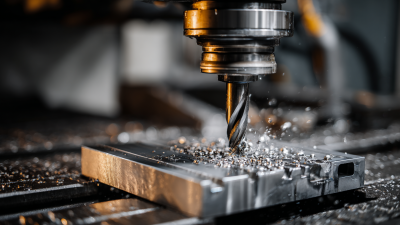
| 09 — CNC Milling and Machining-Center Specialist | CNC vertical, horizontal, and gantry machining centers | Rotating cutting tools remove material through programmed milling and drilling operations | Machinable metals such as steel, aluminum, and cast iron, depending on machine setup | Dies, molds, machine components, fixtures, and precision metal parts | Compare axis travel, spindle configuration, workholding, accuracy requirements, and tool-change options. |
| 10 — CNC Plate and Profile Processing Specialist | Integrated CNC lines for plate drilling, milling, marking, or cutting | Programmed combinations of operations; available processes depend on the line configuration | Structural steel plate, beams, channels, and other supported profiles | Steel structures, construction equipment, bridges, and heavy fabrication | Check supported profile types, operation sequence, material handling, and compatibility with production software. |
Comparing the top 10 CNC metal cutting manufacturers in China starts with the equipment behind each quote. Fiber lasers suit many sheet-metal jobs, while waterjet cutting can help when heat distortion is a concern. Plasma systems may be practical for thicker plate, though edge quality varies. Ask about machine size, cutting thickness, and achievable tolerances for your actual part—not just headline specifications.
Materials matter just as much. Check whether a shop routinely handles stainless steel, aluminum, carbon steel, or copper, and ask how it manages protective films and surface scratches. Request a sample inspection report and, where needed, traceable material records. Websites prove little. A small test order can reveal burrs, dimensional drift, or packaging problems that a sales call may miss.
Services can distinguish otherwise similar suppliers. Look for engineering feedback on drawings, deburring, bending, finishing, and export packing when those steps affect your assembly. Confirm who checks dimensions, how defects are reported, and whether production updates arrive on schedule. The comparison is not perfectly tidy: a capable workshop may be a poor fit for urgent repeat orders. Weigh equipment, material experience, inspection practices, and communication against the part’s real requirements.
Choosing a Chinese CNC metal cutting supplier takes more than comparing quoted prices. Start with the parts you actually need: alloy, dimensions, surface finish, and expected production volume. Ask whether the workshop regularly machines that material, such as 6061 aluminum or stainless steel, and what tolerances it can hold across a full batch. Details matter.
Request a sample part and a recent inspection report. Check measurements at critical points, not only the overall length and width. Ask how tools are monitored, how parts are identified during production, and what happens when a measurement falls outside the agreed range. Ask for evidence. A polished capability list is useful, but it cannot replace records from real work.
Communication is another practical test. Send a drawing with a few clear questions, then see whether the supplier flags unclear dimensions or suggests a sensible machining sequence. Confirm lead time, packaging, inspection scope, and which costs are included in the quote. The lowest offer may exclude useful checks. Still, a sample cannot reveal every production issue, and no checklist removes all risk. Treat supplier selection as an ongoing review, not a one-time decision.