Top Prototype Machining Companies for Global Buyers

Choosing among prototype machining companies is not simply a price comparison. It is a decision about risk, communication, and production readiness. Global buyers need suppliers that can convert a CAD file into accurate metal or plastic parts. They also need evidence of repeatable processes.

Todd Grimm, a recognized rapid-prototyping consultant and industry educator, describes the purpose clearly: “A prototype should reveal what the design still needs to learn.” That principle applies directly to prototype machining. A strong supplier will question unclear tolerances, flag difficult geometries, and suggest practical material options. Silence is not always professionalism.

This guide examines leading companies through measurable criteria. These include machining capabilities, material range, tolerance control, inspection methods, engineering support, lead times, and international communication. It also considers whether a supplier can support both one-off validation parts and small production batches. Details matter. A clean inspection report, a responsive engineer, and consistent surface finishing can save weeks of rework.

Some buyers still choose the lowest quote. That can be a costly shortcut. A cheaper part may hide weak documentation, unstable scheduling, or limited process visibility. Still, no supplier is perfect. Even respected companies may struggle with unusual alloys, complex thin walls, or urgent design changes.

The companies discussed here represent different strengths. Some excel at speed. Others offer deeper engineering support or broader global logistics. Buyers should match those strengths with their own project demands. The right prototype machining partner does not merely produce a part. It helps make the next manufacturing decision more confident.
Top Prototype Machining Companies for Global Buyers

What Prototype Machining Companies Provide for Global Buyers

What Prototype Machining Companies Provide for Global Buyers

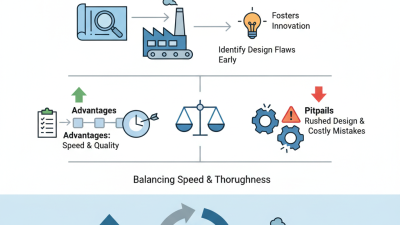
Prototype machining companies give global buyers more than cut metal. They translate CAD files into manufacturable parts through design-for-manufacturing reviews. Engineers check wall thickness, tool access, tolerances, and datum choices before machining begins. This early review can prevent a beautiful model from becoming an expensive mistake. Small details matter. A supplier may ask whether a 0.02 mm tolerance is truly necessary. That question can reduce cost without weakening function.

Typical services include CNC milling, turning, surface finishing, inspection, and small-batch production. Buyers can request aluminum, stainless steel, engineering plastics, or other suitable materials. Reliable providers explain substitutions instead of quietly changing specifications. They also share inspection reports, material certificates, dimensional photos, and revision-controlled drawings. Those documents help teams compare parts across time zones. Communication quality is part of machining quality.

For international orders, companies often coordinate export packing, shipping schedules, customs paperwork, and production updates. A clear quotation should separate tooling, machining, finishing, inspection, and freight costs. Lead times still need careful judgment; urgent promises can hide process risks. A first quote is rarely perfect. Questions may reveal missing threads, unclear surface requirements, or unrealistic delivery dates. Buyers should test responsiveness with a modest prototype before releasing a larger order. The best working relationship grows through evidence: stable measurements, honest status updates, and parts that fit the assembly as intended.

How to Evaluate Prototype Machining Capabilities and Equipment

Top Prototype Machining Companies for Global Buyers

How to Evaluate Prototype Machining Capabilities and Equipment

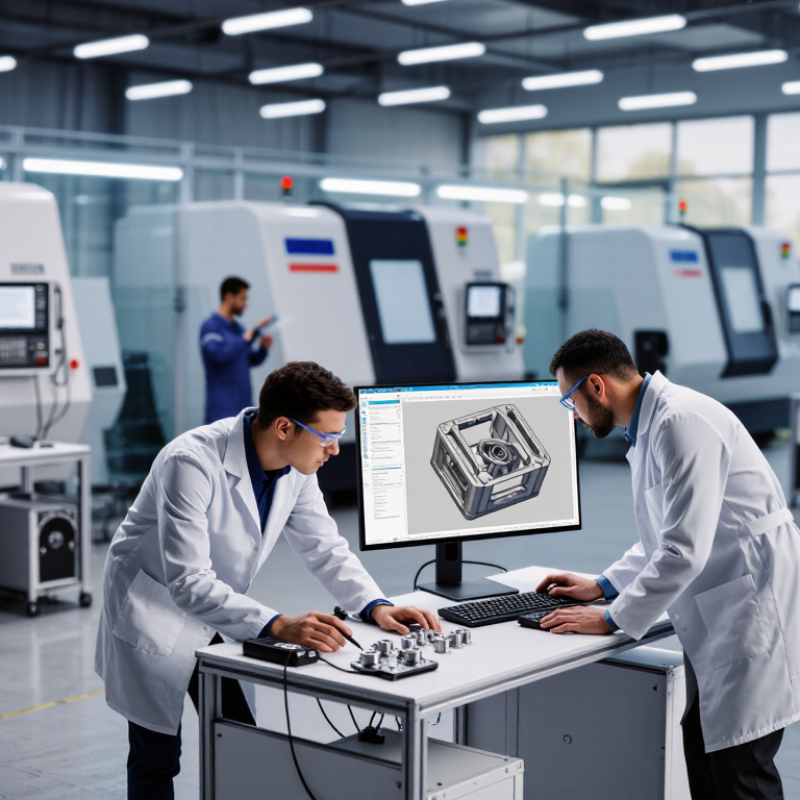
Choosing a prototype machining partner requires more than reviewing an equipment list. Ask what parts the shop has actually produced. A five-axis center may look impressive, yet practical results depend on operators, programming, and inspection discipline. Request sample drawings, tolerance ranges, and material examples from comparable work. Machining aluminum is not the same as holding tight tolerances in stainless steel. The difference appears on the surface finish and measurement report.

Evaluate equipment by useful capability, not age or appearance. Check spindle range, work envelope, axis travel, tooling systems, and achievable tolerances. Ask how machines are calibrated and how often probes or gauges are verified. A reliable supplier should explain its coordinate measuring process and provide dated inspection records. Look for controlled revision systems, material traceability, and clear nonconformance handling. Small details matter. A scratched fixture or unclear drawing revision can delay an otherwise simple prototype.

Global buyers should test communication before placing a complex order. Send a realistic inquiry with CAD files, quantities, finish requirements, and delivery expectations. Notice whether technical questions are specific or merely polite. Strong engineers may suggest a radius change, datum adjustment, or different stock size to reduce risk. However, recommendations should include evidence, not confident guesses. I have seen capable shops miss deadlines because planning was treated as an afterthought. That weakness deserves an honest discussion. A small paid prototype run can reveal more than a polished presentation.

Key Factors in Comparing Quality, Materials, Speed, and Pricing

Top Prototype Machining Companies for Global Buyers

Comparing prototype machining suppliers requires more than reading a low quote. Inspect sample parts, tolerance reports, and surface finishes. A capable supplier explains measurement methods and accepts practical questions.

In prototype reviews, I look for clear inspection photos and traceable material certificates. Small details matter.

A clean 0.05 mm edge can reveal better process control than polished marketing language.

Material selection affects strength, weight, cost, and machining time. Ask whether the supplier has experience with aluminum, stainless steel, engineering plastics, or harder alloys.

Confirm the exact grade before production. A substitute material may look similar but behave differently during testing.

I once saw a prototype fail because the chosen plastic softened near a heat source. The drawing was correct. The application review was not.

Speed also needs careful checking. Request a realistic schedule covering programming, machining, inspection, and shipping. A three-day promise may exclude quality checks.

Pricing should show tooling, setup, finishing, packaging, and revision costs separately. The cheapest quote can become expensive after unclear changes.

Compare delivered value, not only unit price.

Still, no supplier performs perfectly every time. Ask how they handle late parts, dimensional variation, or a design that needs correction. Their response often reveals more than the original quotation.

Regional Strengths of Leading Prototype Machining Suppliers

Regional Strengths of Leading Prototype Machining Suppliers

North American prototype machining suppliers often stand out for close engineering collaboration. They commonly support design reviews, tolerance analysis, and rapid changes during early development. Communication is usually direct, which helps when a prototype needs correction overnight. Many shops handle aluminum, stainless steel, engineering plastics, and complex five-axis work. Their weakness can be higher labor costs. Not every project needs the fastest domestic response.

European suppliers are valued for process discipline and strong quality documentation. They often serve medical, automotive, industrial, and aerospace development programs. Detailed inspection reports, material traceability, and controlled revisions are common strengths. Machined surfaces may arrive with careful deburring and consistent finishing. However, approval cycles can feel slower when specifications remain unclear. Buyers should confirm delivery expectations before releasing production files.

East Asian suppliers frequently offer broad equipment capacity and competitive prototype pricing. Their networks may combine CNC milling, turning, sheet metal, surface treatment, and small-batch assembly. This regional depth can simplify projects requiring several manufacturing processes. Southeast Asian suppliers can provide another useful balance, especially for growing production programs and cost-sensitive parts. Yet distance can expose weak communication. A sample part, video inspection, and written acceptance criteria reduce avoidable disputes. No region is best at everything. Even experienced buyers sometimes prioritize price and overlook revision control, packaging, or measurement methods. Supplier selection works better when regional strengths match the part’s real technical risks.

Top Prototype Machining Companies for Global Buyers

Regional Strengths of Leading Prototype Machining Suppliers

The comparative index uses a 1–10 scale to summarize widely observed regional strengths in prototype machining, including production scalability, material range, cost competitiveness, iteration speed, and precision capability. Scores are regional benchmarks rather than company-specific ratings.

How to Select and Work With a Global Prototype Machining Partner

How to Select and Work With a Global Prototype Machining Partner

Choosing a global prototype machining partner requires more than comparing quotations. Start with clear technical information, including material, tolerances, surface finish, quantity, and delivery date. Share complete CAD files and drawings. A dependable partner should ask precise questions before production begins. This shows engineering awareness, not hesitation.

Request a process plan, inspection method, and sample quality report. These documents help verify capability and reduce uncertainty. Low pricing can hide revision costs, shipping delays, or weak inspection practices.

Communication is equally important across time zones. Confirm the main engineering contact, response expectations, revision control, and approved communication channel. Ask how the supplier protects design files and handles specification changes.

Production evidence matters. Look for documented measurement procedures, calibrated equipment, and material certificates when required. A practical lesson is simple: never assume silence means agreement. Confirm critical details in writing. Even experienced teams can miss a small tolerance note.

Tips:

Begin with a small trial order. Test dimensional accuracy, packaging, communication, and delivery reliability. Discuss realistic lead times instead of accepting optimistic promises. Provide feedback after each prototype. A strong partner should respond with corrective action, not excuses.

Review the first parts carefully, even when the supplier appears highly qualified. No checklist catches every issue. Reflection is part of the process; your own drawings, approvals, or expectations may also need improvement.