Top Sheet Metal Fabrication Techniques for Global Buyers?
In the world of manufacturing, sheet metal fabrication stands as a cornerstone technique. Experts agree on its importance. John Smith, a seasoned engineer in this field, noted, “The art of sheet metal fabrication transforms raw materials into functional designs.” This statement captures the essence of a process that is both technical and creative.
Global buyers seek efficient and innovative sheet metal fabrication methods. Various techniques exist, from laser cutting to CNC machining. Each method offers different benefits. Understanding these options is crucial for making informed purchasing decisions. Buyers often struggle with complexity in this industry. Choosing the right technique can feel overwhelming.
The landscape of sheet metal fabrication is constantly evolving. Emerging technologies present new challenges and opportunities. Buyers must navigate these changes with care. It is vital to stay informed, yet many overlook essential updates. Engaging with experienced professionals can provide valuable insights. This collaboration is what drives progress and success in the industry.
Overview of Sheet Metal Fabrication Techniques
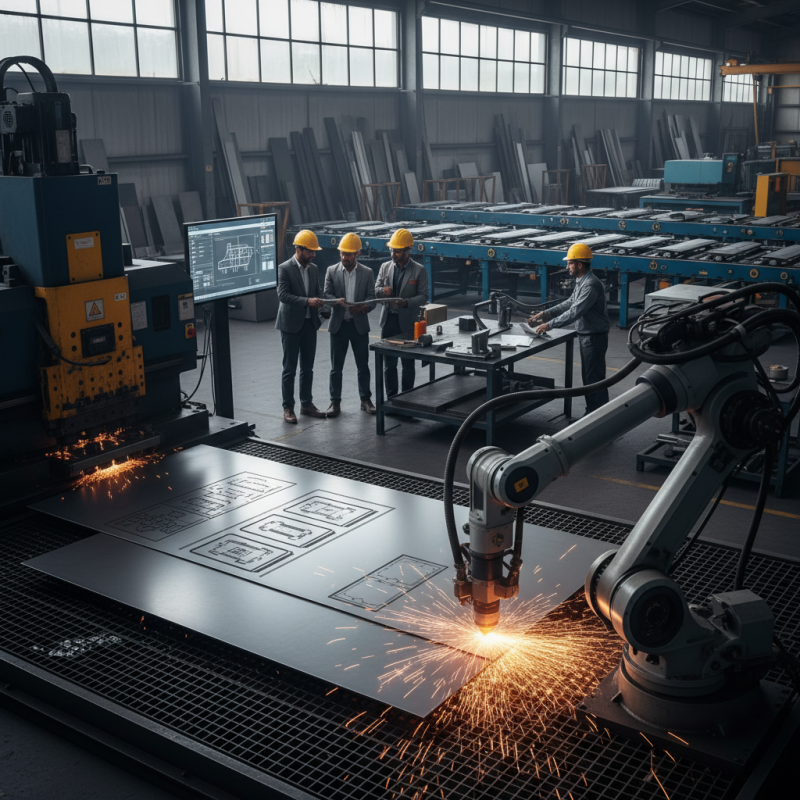
Sheet metal fabrication is a vital process in various industries, including automotive, aerospace, and construction. Understanding different fabrication techniques can enhance product quality and efficiency. According to a report by The Fabricators & Manufacturers Association, nearly 40% of manufacturers struggle with outdated methods, highlighting the need for innovation.
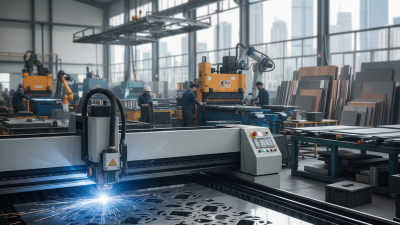
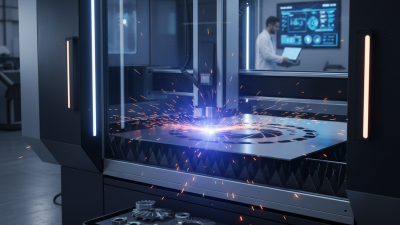
Laser cutting is one prominent technique. It offers precision and versatility, cutting intricate designs quickly. The process minimizes material waste, which can lead to significant cost savings. Further research shows that 70% of companies switching to laser cutting report improved production speed. However, the initial investment can be steep, presenting a challenge for smaller firms.
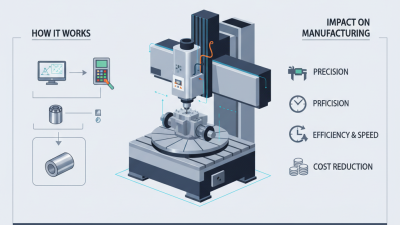
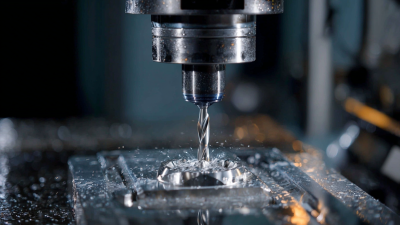
Another key technique is CNC machining. It allows for high repeatability and complex geometries. Data indicates that 60% of businesses prefer CNC due to its efficiency and accuracy. Yet, reliance on automation can raise concerns over job displacement within the workforce. Addressing this balance is essential for sustainable growth in the industry. The push for innovation must be paired with workforce development to mitigate potential downsides.
Common Materials Used in Sheet Metal Fabrication
Sheet metal fabrication relies on various materials, each offering distinct advantages. Steel is a popular choice due to its strength and durability. It is often used in automotive and construction applications. Aluminum provides a lightweight alternative, making it ideal for portable structures. Its corrosion resistance is especially valuable for outdoor equipment.
Copper is another essential material in sheet metal fabrication. It has excellent electrical conductivity, making it valuable in electrical applications. However, its cost can be a downside for some projects. Stainless steel, known for its resistance to rust, is perfect for environments exposed to moisture. It is widely used in kitchen equipment and medical devices.
While these materials are favored for their properties, challenges can arise. Sourcing specific alloys may lead to delays. Fabrication processes can also vary in complexity. Understanding these nuances is vital for global buyers to make informed decisions. Proper material selection can significantly impact the project's success and efficiency. It’s essential to reflect on these choices and potential trade-offs when planning any fabrication project.
Key Techniques: Cutting, Bending, and Welding Explained
In the realm of sheet metal fabrication, several core techniques stand out. Cutting is one of the most essential methods. Laser cutting and plasma cutting are popular due to their precision. A skilled operator can achieve intricate designs with minimal waste. This technique relies heavily on the thickness of the metal and the intended use. Accurate cutting is critical, yet mistakes can happen, leading to costly rework.
Bending is another key technique, shaping the metal into desired angles. This process requires careful calculation to avoid cracking or warping. A press brake often performs the bending, but operators must be cautious of their settings. Errors in this step can lead to structural weaknesses. Understanding the material’s properties makes a significant difference in the process.
Welding, the final technique, joins separated metal pieces. Techniques like MIG and TIG welding are common. Each method has its advantages, but they also come with risks. Inexperienced welders might face challenges such as poor penetration or distortion. Continuous training is essential for maintaining quality and safety. Reflecting on past experiences can provide valuable lessons in mastering these methods.
Emerging Technologies in Sheet Metal Fabrication
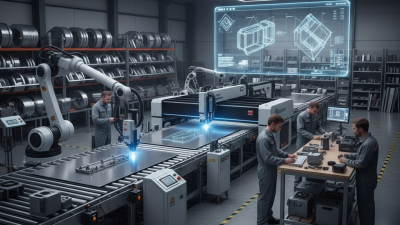
Emerging technologies in sheet metal fabrication are transforming the industry landscape. Innovations such as laser cutting and CNC machines are gaining traction. These tools enhance precision and speed, which are critical for meeting global demands.
Additive manufacturing is also making waves. This technique allows for creating complex geometries that traditional methods can't achieve. However, it requires skilled technicians to operate and maintain the equipment. Training is essential but often not prioritized.
Automation, including robotic welding, streamlines processes and reduces labor costs. Yet, some companies struggle to adapt. The integration of these technologies can be daunting and requires a shift in mindset. Embracing these changes is crucial for competitive advantage, but it doesn't come without challenges.