Top Sheet Metal Manufacturers in China for Global Buyers?
In the rapidly evolving landscape of global manufacturing, sheet metal plays a crucial role in various industries. Renowned expert Dr. James Chen observes, "Sheet metal is the backbone of modern engineering, shaping countless innovations." As international buyers seek reliable sources, understanding China's top manufacturers becomes essential.
China has established itself as a powerhouse in sheet metal production. Its factories leverage advanced technologies and skilled labor to meet global demands. While many manufacturers promise high quality, not all meet the standards necessary for international markets. This creates a need for diligence and clear selection criteria.
Navigating this complex field requires expertise and insight. Buyers must be aware of quality certifications and the reliability of suppliers. The right partnership can lead to innovative solutions and competitive advantages. However, potential challenges, such as fluctuating material costs and evolving regulations, cannot be overlooked. A thoughtful approach will help mitigate risks in this critical sector.
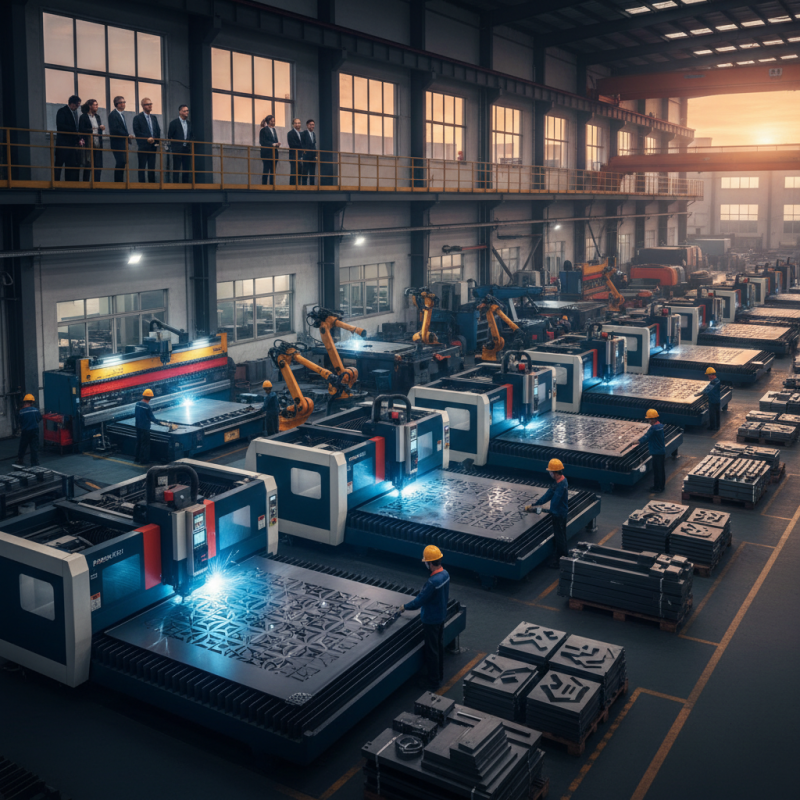
Overview of the Sheet Metal Manufacturing Industry in China
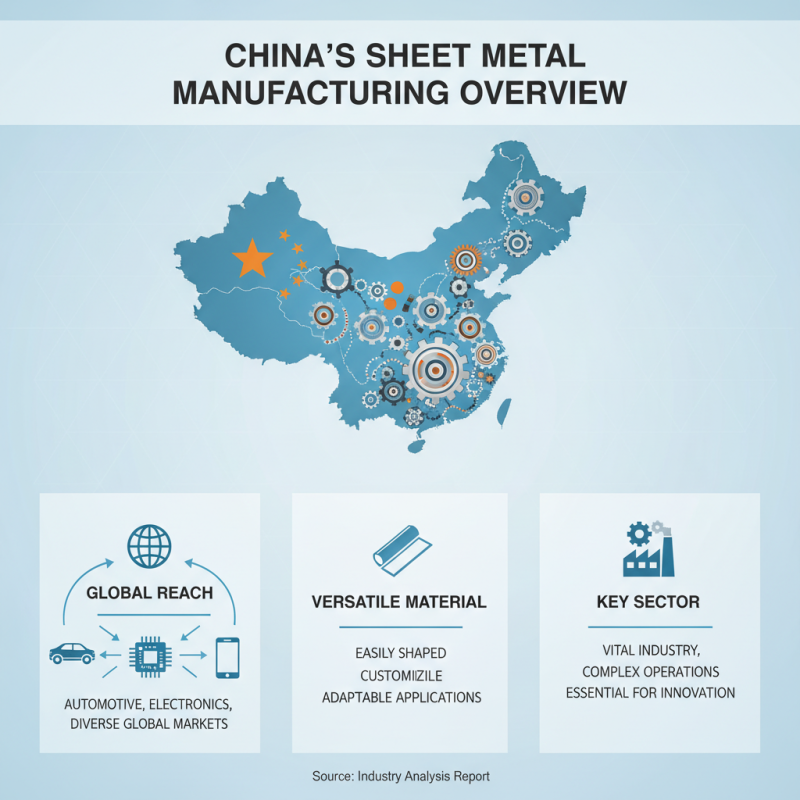
China's sheet metal manufacturing industry is a complex and vital sector. It serves a variety of global markets, from automotive to electronics. Sheet metal is a versatile material that can be easily shaped and customized. This adaptability has made it essential for various applications.
Many manufacturers in China focus on innovation. They use advanced technology to enhance efficiency. However, the rapid growth of this industry brings challenges. Quality control can be inconsistent, and not all manufacturers adhere to international standards. Buyers must remain vigilant in their selection process.
Tip: Always request samples before placing large orders. This helps ensure the quality meets your expectations.
The industry's scale is impressive, with numerous players competing for market share. Some manufacturers are larger and more established while others are small and may lack experience. Research is crucial for buyers. Understanding a manufacturer's capabilities is key to making informed decisions.
Tip: Look for manufacturers with positive reviews and strong client relationships. This can provide insights into their reliability and commitment to quality.
Key Factors Influencing Sheet Metal Quality in China
When it comes to sheet metal quality in China, several factors play a critical role. Material selection is paramount. High-quality steel grades ensure durability. A report by the China Steel Association shows that over 70% of manufacturers prioritize material integrity. This focus enhances product longevity, reducing the risk of failures in critical applications.
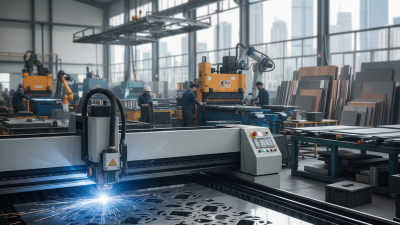
Precision in manufacturing processes is equally essential. Advanced machinery, such as laser cutting and CNC bending, allows for tighter tolerances. A study published in the International Journal of Advanced Manufacturing Technology highlights that precision engineering can increase part accuracy by 30%. However, not all manufacturers invest in the latest technology. This gap can lead to inconsistencies in product quality.
Quality control practices also significantly impact outcomes. Rigorous testing and inspection processes help identify defects early. According to the Quality Assurance Institute, companies that implement comprehensive quality checks experience 40% fewer failures in the field. Yet, some manufacturers lack sufficient oversight, raising concerns about reliability. As global buyers navigate the Chinese market, these factors are vital for ensuring a consistent supply of quality sheet metal products.
Top Sheet Metal Manufacturers in China for Global Buyers
| Manufacturer Type |
Production Capacity (tons/year) |
Main Products |
Certification Standards |
Key Quality Factors |
| Large Manufacturer |
50,000 |
Automotive Parts |
ISO 9001, TS 16949 |
Advanced Machinery, Skilled Workforce |
| Medium Manufacturer |
20,000 |
Construction Materials |
ISO 14001 |
Material Sourcing, Process Control |
| Small Manufacturer |
5,000 |
Custom Fabrications |
CE, RoHS |
Customization Ability, Attention to Detail |
| Specialized Manufacturer |
10,000 |
Electronics Housings |
IPC Standards |
Precision, Low Tolerance |
Leading Sheet Metal Manufacturers in China: A Comparative Analysis
In recent years, the sheet metal industry in China has seen significant growth, attracting global buyers. According to a market report by ResearchAndMarkets, the sheet metal fabrication market is expected to reach $252 billion by 2026. This growth is driven by demand from automotive, aerospace, and electronics sectors. The high output and competitive pricing offered by Chinese manufacturers enhance their appeal in the global marketplace.
The competitive landscape among Chinese manufacturers varies. Benchmarking data reveals that large firms often invest in advanced machinery and automation. This ensures higher efficiency and precision. In contrast, smaller companies may struggle with outdated equipment and inconsistent quality, leading to mixed results. Such disparities can impact buyer decisions, pushing them towards larger firms with established reputations.
Moreover, recent labor costs have shifted, causing concerns about sustainability and ethical sourcing. Companies must navigate these challenges while maintaining quality. Global buyers need to consider not only price but also reliability and adherence to standards. This complexity makes selecting the right partner in China a nuanced task. The industry's evolving dynamics demand continuous evaluation and strategic thinking from global players.
Global Trade Trends: China’s Sheet Metal Products in International Markets
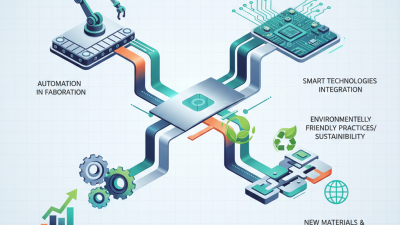
China has long been a dominant player in the global sheet metal industry. Recent reports indicate that China's sheet metal production reached an impressive value of over $50 billion in 2022. This figure is projected to grow at a compound annual growth rate (CAGR) of 6.5% through 2028. Increased automation and advanced manufacturing techniques are driving this growth. Companies are focusing on sustainability and efficiency, but challenges remain. The environmental impact of sheet metal production is a concern. Manufacturers are urged to reduce waste and improve energy consumption.
International demand for sheet metal products has risen significantly. Regions such as North America and Europe are seeing increased imports from China. According to the World Steel Association, China accounted for 50% of global steel production in 2022, indicating a strong supply chain presence. However, geopolitical tensions and trade policies can affect market dynamics. Industry experts suggest that companies must navigate these uncertainties carefully. As China's industry evolves, global buyers need to remain informed about potential risks and opportunities in this competitive landscape.
Challenges and Opportunities for Sheet Metal Buyers in China
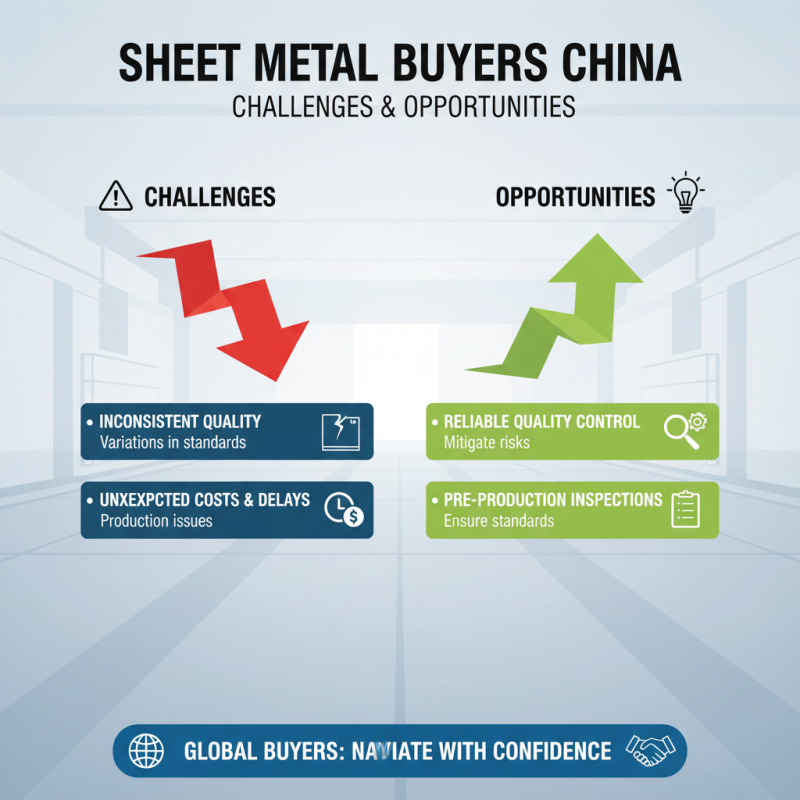
Navigating the sheet metal market in China presents unique challenges and opportunities for global buyers. One key challenge is the inconsistency in quality across different manufacturers. Buyers often encounter variations in standards, resulting in unexpected costs and delays. Ensuring reliable quality control measures and conducting pre-production inspections can mitigate these risks.
On the other hand, the competitive landscape provides opportunities for cost savings. China’s manufacturing capabilities allow for scale that many regions can't match. Buyers can benefit from lower prices without sacrificing quality when they identify trustworthy suppliers. However, this pursuit requires vigilance. Buyers must understand the cultural aspects and negotiation tactics specific to the region. Building strong relationships with manufacturers can lead to better communication and reliability.
Sourcing materials also influences the buying process. As environmental regulations evolve, manufacturers may face constraints. This can impact pricing and availability. Staying informed about regulatory changes and their implications is essential for success. Global buyers should continually analyze the market, seeking suppliers that adapt to these challenges while maintaining standards.