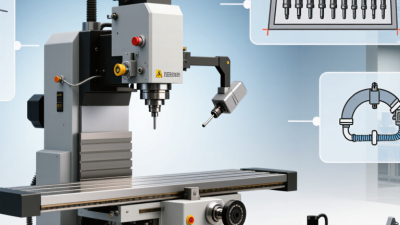
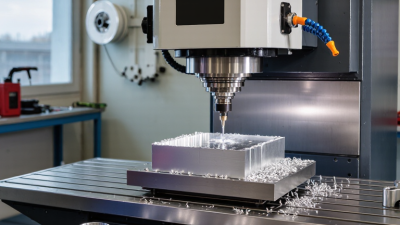
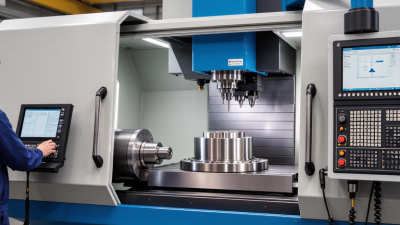
Choosing a cnc mill can shape a small shop’s production for years. The right machine may turn a cramped corner into a dependable work cell. The wrong one can tie up cash, floor space, and operator time. In 2026, small businesses must weigh more than advertised spindle speed. Work envelope, rigidity, tooling, software, service access, and training all affect what a machine can reliably produce. A shiny spec sheet is not a production plan.
Manufacturing expert Taiichi Ohno is often credited with the principle, “Without standards, there can be no improvement.” That idea matters when comparing mills. A shop should define its real parts, materials, tolerances, batch sizes, and available power before judging features. Can the machine cut aluminum cleanly for hours? Will it hold steel parts without chatter? Can one person load stock, check dimensions, and keep work moving? These practical details separate useful capacity from showroom appeal. Small shops feel this.
This guide examines ten cnc mill options for small businesses in 2026, from compact benchtop units to more capable production machines. Each choice involves a trade-off: price against rigidity, footprint against travel, and automation against setup complexity. No ranking can predict every shop’s needs. A machine that suits a prototype studio may frustrate a job shop with repeat orders. We also need to admit that published specifications rarely tell the whole story; operator skill and local service can change the result. Use these comparisons as a shortlist, then verify the details with the manufacturer and, where possible, a test cut. That extra step may feel slow. It is often cheaper than learning the hard way.
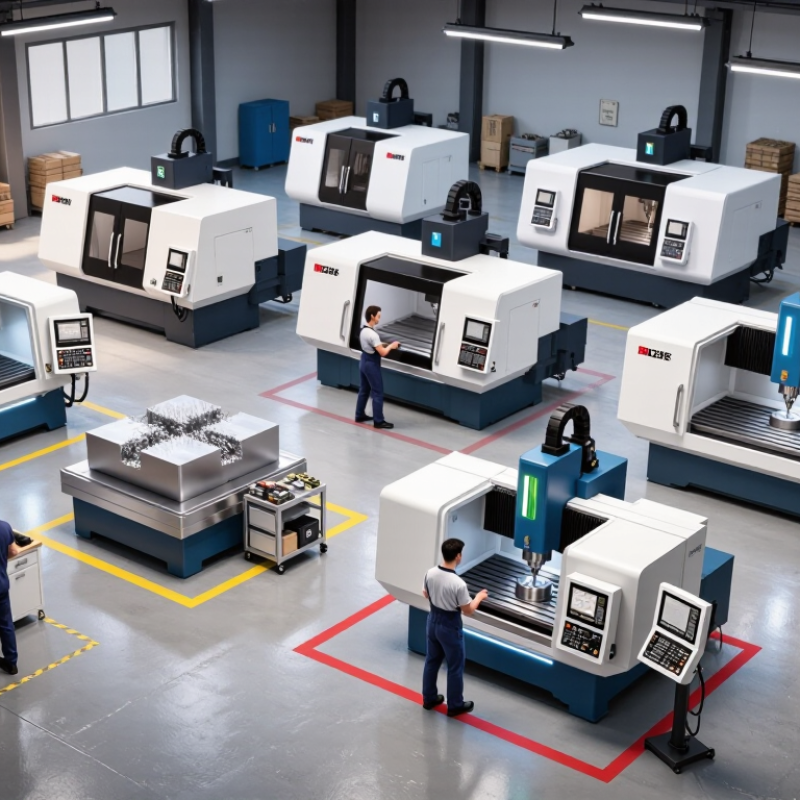
For a small business, a CNC mill can turn a customer drawing into repeatable parts without requiring a large production line. It cuts metal or plastic with controlled tool movement, making brackets, fixtures, housings, and replacement components. A compact mill may fit in a modest workshop. That matters. Staff can produce short runs, test a design, and adjust dimensions before ordering larger quantities.
The gains depend on good preparation. A clear workholding plan, suitable cutters, and accurate tool offsets help prevent scrap and unexpected delays. For example, a vise must hold a part firmly while leaving the cutting area accessible. Operators also need time for setup, maintenance, and safe operation.
A CNC mill does not remove every bottleneck; material delivery and inspection can still slow an order. Small details count. Choosing a machine only by its advertised cutting capacity can lead to a poor fit.
Tips: Check the machine’s usable travel against your largest planned part, not just its outside dimensions. Start with a simple test piece and record feeds, speeds, and tool changes. Keep a basic maintenance log. It may feel tedious, but it can reveal wear before accuracy slips. A realistic production plan should include setup time and occasional mistakes.
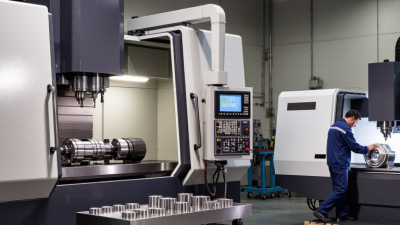
Small mills can look capable on a showroom floor. Limits emerge when a vise, cutter, and workpiece compete for space. Measure your largest planned part, then allow room for clamps and tool changes. Spindle speed and torque should suit your materials and cutter diameters. Aluminum often rewards higher speeds; tougher metals may need slower, steadier cuts. Check rigidity, not just advertised accuracy. Frame weight, bearing quality, and backlash can affect finish and repeatability over long jobs.
Also evaluate the controller and software workflow. A clear interface can reduce setup mistakes, especially when several people share the machine. Check how easily tools can be changed and whether common cutters fit the spindle. Ask about service access, replacement parts, and training before committing. A compact mill may still need compromises. That detail is easy to underestimate when comparing specifications. Consider floor space, electrical requirements, noise, and chip handling alongside purchase price.
Tips: Run a sample job before deciding, if possible. Watch for vibration, tool marks, and awkward setup steps. Keep notes on cycle time and cleanup. A machine that fits your work today may not suit every future project.
The 10 Best CNC Mills for Small Businesses in 2026 should match real jobs, not impressive catalog photos. These picks are machine types, since the right model depends on material, budget, and available floor space.
1) A basic benchtop three-axis mill suits signs and small aluminum parts. 2) An enclosed desktop mill helps contain chips in a shared workshop. 3) A rigid, ballscrew-driven benchtop unit offers better repeatability for short production runs. 4) A rotary-ready mill can handle indexed work without demanding a full fourth axis. 5) A compact vertical machining center fits businesses with steady workloads. 6) A manual-conversion hybrid can ease the move from hand machining. 7) A high-speed-spindle mill is useful for small tools and fine details. 8) A long-travel benchtop model accommodates wider plates. 9) A toolroom-style mill favors varied, one-off jobs. 10) A professionally inspected used industrial mill may offer capacity at a lower entry cost. Used machines need careful inspection.
Before choosing, check the usable travel, spindle speed, tool-change method, and electrical requirements. Ask for a sample cut in your material, then inspect its edges and dimensions. A machine that holds tolerance on a test piece may behave differently during an eight-hour run. That detail matters. Include tooling, workholding, dust or chip management, training, and maintenance in the budget. I would not rank machines by advertised accuracy alone; setup, fixturing, and operator skill can change results. Small shops often underestimate that part. Start with the parts you expect to make next month, not the ambitious project you might take on someday.
| Rank | Machine Type | Typical Work Envelope (X × Y × Z) | Typical Spindle Range | Common Materials | Approx. Installed Cost (USD) | Best Fit for a Small Business |
|---|---|---|---|---|---|---|
| 1 | Compact enclosed vertical machining center | 20 × 16 × 16 in | 8,000–12,000 rpm; about 7.5–15 hp | Aluminum, plastics, mild steel | $45,000–$100,000 | Shops needing an enclosed, production-capable machine with room for workholding and tooling. |
| 2 | Small-footprint vertical machining center | 16 × 12 × 12 in | 8,000–12,000 rpm; about 5–10 hp | Aluminum, brass, plastics, light steel work | $30,000–$70,000 | Businesses that need a rigid, enclosed mill but have limited floor space. |
| 3 | Benchtop mill with CNC conversion or factory CNC | 10 × 6 × 6 in | 2,000–6,000 rpm; about 0.5–2 hp | Aluminum, brass, plastics, soft metals | $5,000–$20,000 | Prototyping, repair work, and short runs where modest cutting capacity is sufficient. |
| 4 | Enclosed compact CNC mill | 12 × 8 × 8 in | 6,000–10,000 rpm; about 2–5 hp | Aluminum, plastics, brass, light steel work | $12,000–$35,000 | Small shops seeking guarding and chip containment without moving up to a full-size VMC. |
| 5 | High-speed desktop CNC mill | 8 × 6 × 4 in | 10,000–24,000 rpm; about 0.5–2 hp | Plastics, wax, wood, aluminum | $3,000–$15,000 | Fine-detail parts, light-duty prototyping, and businesses prioritizing a compact footprint. |
| 6 | Compact toolroom CNC mill | 18 × 12 × 12 in | 4,000–8,000 rpm; about 3–7.5 hp | Aluminum, brass, plastics, mild steel | $20,000–$55,000 | Job shops that value versatile setup options for one-off parts and small batches. |
| 7 | Small CNC knee mill | 24 × 12 × 5 in | 2,000–5,000 rpm; about 2–5 hp | Aluminum, steel, brass | $15,000–$40,000 | Repair, maintenance, and toolroom work that benefits from a familiar manual-mill layout. |
| 8 | Compact 5-axis CNC mill | 10 × 8 × 8 in | 8,000–18,000 rpm; about 3–10 hp | Aluminum, plastics, brass, selected steels | $60,000–$150,000 | Complex parts that need multiple faces machined with fewer setups; requires added programming expertise. |
| 9 | Compact CNC mill with automatic tool changer | 12 × 10 × 10 in | 6,000–12,000 rpm; about 3–7.5 hp | Aluminum, plastics, brass, light steel work | $25,000–$65,000 | Repeat jobs that benefit from tool changes during a cycle and reduced operator intervention. |
| 10 | Large-capacity benchtop CNC mill | 16 × 10 × 8 in | 3,000–8,000 rpm; about 1–4 hp | Aluminum, brass, plastics, light steel work | $8,000–$30,000 | Businesses needing more travel than a desktop mill while retaining a relatively small installation footprint. |
Specifications and costs are indicative planning ranges for machine categories, not guaranteed model specifications or quotations. Actual travel, spindle power, accuracy, included tooling, installation, electrical requirements, and final price vary by configuration and supplier. Confirm details before purchase.
A small-business CNC mill should fit the work, not just the floor plan. Compare usable X, Y, and Z travel with your largest part, vise, and cutting tool installed. A 12-inch work area can feel smaller once clamps and fixtures take space. Check door clearance, table load, and chip control, too. Measure twice.
Material claims need context. Aluminum and plastics are common choices, but cutting steel demands adequate rigidity, suitable tooling, and conservative feeds. Spindle power alone does not guarantee clean cuts. Ask how the machine handles your actual stock thickness and required finish. A short test cut can reveal chatter that a specification sheet misses. Production capacity also depends on setup time, tool changes, and repeatability across a full shift. Small shops may value quick access and simple maintenance over maximum speed.
Tips: Bring a sample part and toolpath when comparing machines. Confirm workholding options, service access, and realistic cycle times. Leave room for growth, but avoid paying for travel you will rarely use. My own estimates can be optimistic; include time for setup and rework.
A mill’s purchase price is only the entry ticket. Before choosing among the 10 best CNC mills for small businesses in 2026, price the full setup: delivery, rigging, floor capacity, electrical work, and any air or dust-control requirements. Add a vise, clamps, toolholders, cutters, measuring tools, and software. Small extras stack up. Reserve money for operator training and a test batch; the first parts often take longer than planned.
Operating costs arrive in small, regular bites. Budget for cutting tools, coolant, filters, electricity, and routine service. Chips need daily cleanup, while lubrication points and tool condition need regular checks. Downtime costs. Track actual machine hours, not just scheduled hours, and include setup labor when estimating a part’s cost. A low hourly estimate can look convincing until a cutter breaks or a job needs another setup.
Ask for realistic service intervals and the cost of common replacement parts before committing. Compare those figures with the work you expect to run, including slow periods when the mill may sit idle. A contingency of 10–20 percent can help absorb surprises, though the right amount depends on the machine and shop. A quote that assumes uninterrupted production deserves scrutiny. Keep a simple monthly log of tool use, maintenance, and unplanned stops; it may reveal costs your original spreadsheet missed.