How to Choose the Best Sheet Metal Fabrication Services?
Choosing the right sheet metal fabrication service can be challenging. Larry Thompson, a renowned expert in the sheet metal fabrication industry, once stated, "The key to success is aligning your project needs with the right fabricator's capabilities." Understanding this alignment is crucial.
When selecting a provider, several factors come into play. First, consider their experience and technique. A company with a strong track record in sheet metal fabrication often demonstrates reliability. Look for providers who showcase their past work. This offers insight into their expertise and quality standards.
Additionally, communication matters. A trustworthy fabricator should be open to discussing your project. They should understand your specific needs, timeline, and budget. Sometimes, misalignments occur. Reflecting on past experiences can help you avoid potential pitfalls. Ultimately, finding the best sheet metal fabrication service requires careful evaluation and an eye for detail.
Understanding Sheet Metal Fabrication: An Overview
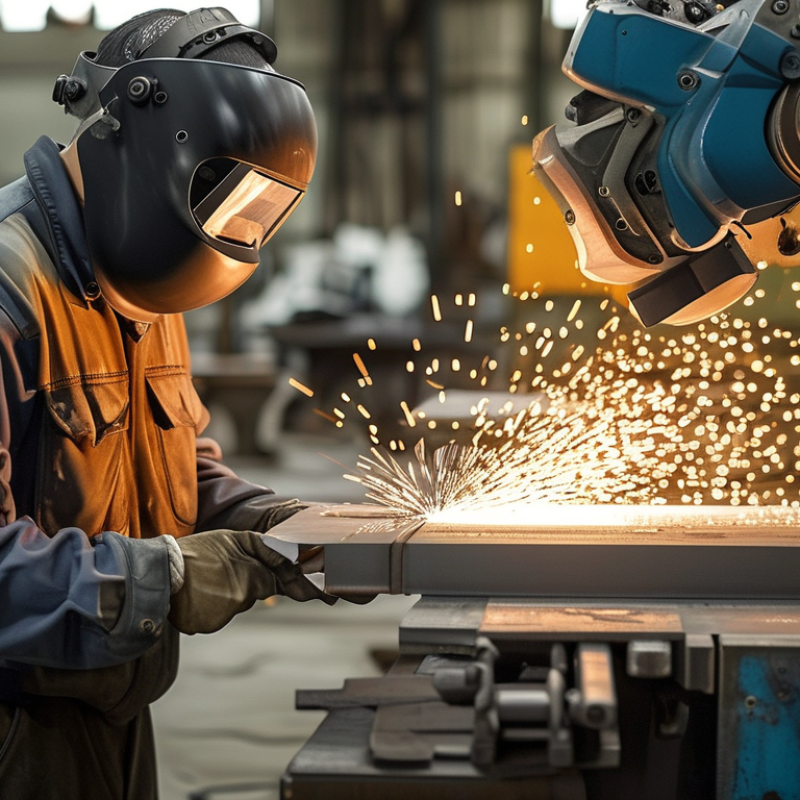
Sheet metal fabrication is a crucial process in various industries. It involves cutting, bending, and assembling sheets of metal into desired shapes and structures. Understanding the fundamentals of this process can help you make informed decisions when selecting fabrication services.
The quality of materials used significantly affects the final product's durability and functionality. Different metals, like aluminum and stainless steel, have unique properties, making them suitable for specific applications. Experienced fabricators understand these nuances and can recommend the best material for your project. Knowing the production techniques is vital, as they dictate the method of forming and welding the metal.
Communication is often an overlooked aspect in metal fabrication. Clear dialogue helps ensure that the final product aligns with expectations. Transparency in the fabrication process fosters trust and can prevent costly mistakes. When seeking services, ask about their past projects and client feedback. This adds credibility and helps gauge their reliability. Not all services will meet your needs perfectly; refining your requirements can lead to better outcomes.
Sheet Metal Fabrication Services: Key Factors to Consider
This chart illustrates the importance rating of key factors to consider when selecting sheet metal fabrication services. Cost and quality are seen as the most critical components, followed closely by turnaround time and customer service.
Key Factors to Consider When Choosing a Fabrication Service
Choosing the right sheet metal fabrication service involves careful consideration of various factors. One critical element is the company's experience in the industry. According to a 2022 report by IBISWorld, businesses with over ten years of experience tend to deliver higher quality outputs. This suggests that longevity often correlates with a refined skill set and reliable services.
Another vital factor is the range of services offered. A report by MarketsandMarkets indicates that around 60% of projects require additional processes, such as welding or surface finishing. Thus, a facility equipped to handle multiple stages can streamline your workflow. It reduces delays and minimizes the need to engage different suppliers for different tasks. Check their capabilities thoroughly to ensure they align with your project needs.
Lastly, customer reviews and industry reputation are pivotal. Research shows that 78% of clients rely on peer recommendations or testimonials before making a choice. Thus, examining online feedback and case studies helps gauge reliability. However, be cautious of overly positive reviews. They might not provide a complete picture. Seek a balance, look for patterns, and scrutinize both positive and negative feedback to make an informed decision.
Evaluating the Expertise and Experience of Fabrication Providers
When evaluating sheet metal fabrication providers, expertise and experience are crucial. Look for companies that have a proven track record in the industry. They should showcase their past projects and client testimonials. A reliable provider shares specific results that demonstrate their capability. Consider how long they have been in business. Longevity often indicates a commitment to quality.
Explore their specialization areas. Some firms may focus on particular industries. This might impact their experience level with specific materials or designs. Ask questions about their processes. Inquire about their quality control measures. Effective communication is vital too. A provider that listens to your needs is likely to provide better service.
Don't overlook their certifications and affiliations. Relevant industry certifications demonstrate professionalism and adherence to standards. However, be cautious of firms that only highlight their certifications without practical examples. It’s essential to balance credentials with real-world results. A thoughtful assessment of these factors will help in selecting a capable partner for your sheet metal fabrication needs.
Assessing Quality Control Measures in Sheet Metal Fabrication
When selecting sheet metal fabrication services, assessing quality control measures is crucial. Quality control ensures that the fabricated products meet precise specifications. It involves regular inspections and adherence to industry standards. A reliable service provider should have clearly defined processes for quality checks. This can include testing material properties and dimensional accuracy.
Pay attention to certifications that indicate a commitment to quality. ISO certifications are common and show compliance with global standards. Look for companies that invest in staff training and use modern machinery. Proper techniques in welding and cutting can significantly affect the final product quality.
A proactive quality control approach may reveal areas for improvement. Regular audits and client feedback can highlight inconsistencies. Ensure communication with the service provider about their quality assurance procedures. Transparency is key for building trust. The right service will not only meet your requirements but also engage in continuous improvement.
Comparing Costs and Services Offered by Different Fabricators
When selecting sheet metal fabrication services, comparing costs and services is vital. According to a 2022 industry report by the Fabricators & Manufacturers Association, the average cost for sheet metal fabrication can vary significantly. Basic services can start at $50 to $100 per hour, while more complex projects may exceed $150 per hour. Understanding these costs is crucial for budgeting purposes, especially for startups and small businesses.
Additionally, the scope of services offered by fabricators can greatly influence pricing. Common services include laser cutting, welding, and finishing processes. A survey indicated that 85% of manufacturers prefer working with fabricators who offer integrated solutions, which can lower costs in the long run. However, some smaller firms may lack the machinery or expertise to provide comprehensive services, leading to higher overall project costs.
It is also important to assess the quality of work. A lower price does not always mean better value. Clients should request samples or case studies to evaluate a fabricator's reliability. Industry reports show that 30% of projects face delays due to inadequate processes, emphasizing the need for thorough vetting. When comparing services, evaluate not only the price but also track records of timely delivery and quality assurance.
How to Choose the Best Sheet Metal Fabrication Services?
| Fabricator Type |
Cost per Hour ($) |
Lead Time (Days) |
Services Offered |
Customer Ratings (out of 5) |
| Custom Fabricator |
$100 |
10 |
Cutting, Bending, Welding |
4.5 |
| Production Manufacturer |
$75 |
15 |
Stamping, Assembly |
4.2 |
| Prototype Specialist |
$120 |
5 |
Prototyping, Short Runs |
4.8 |
| General Fabricator |
$85 |
20 |
Bending, Punching, Assembly |
4.0 |
| Short-Run Provider |
$95 |
7 |
Small Batches, Custom Orders |
4.6 |