China Top 10 Metal Laser Cutter Manufacturers?
Choosing a reliable metal laser cutter manufacturer in China requires more than comparing prices or browsing polished websites. Buyers should examine cutting accuracy, machine stability, fiber laser sources, automation options, and after-sales support. A powerful machine may still disappoint if its software is difficult to use or replacement parts arrive slowly.
This guide introduces ten notable Chinese manufacturers serving industries such as fabrication, automotive components, kitchen equipment, and sheet metal processing. Their machines may handle stainless steel, carbon steel, aluminum, brass, and other common metals. However, performance depends on material thickness, gas settings, operator skill, and maintenance habits. Specifications alone never tell the complete story.
Real purchasing decisions need evidence. Look for factory audits, customer references, cutting samples, certification records, and clear warranty terms. Ask whether technicians provide installation training and remote troubleshooting. A short video demonstration is useful, but it cannot replace a sample test using your own material. That detail is often overlooked.
The ranking should be viewed as a practical starting point, not an absolute verdict. Manufacturers change product lines, suppliers, and service policies over time. Some companies excel at large industrial systems, while others offer better value for smaller workshops. Even experienced buyers can misjudge delivery schedules or total ownership costs. Careful verification remains essential.
This overview compares company experience, product range, technical capability, service quality, customization options, and market reputation. It aims to help international buyers identify suitable partners and avoid expensive assumptions when selecting a metal laser cutter from China.
Overview of China’s Metal Laser Cutting Industry
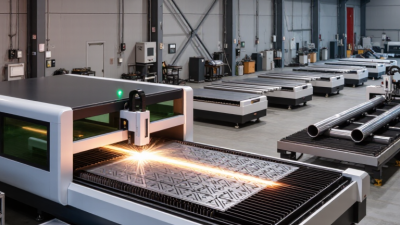
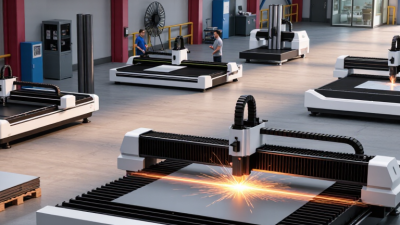
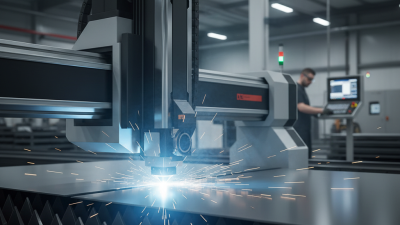
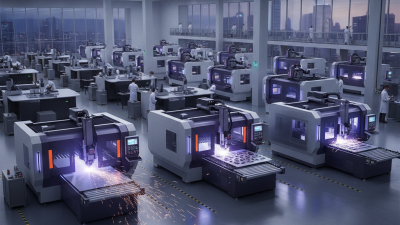
China’s metal laser cutting industry has grown alongside its large manufacturing base. Workshops and factories use fiber laser systems to cut stainless steel, carbon steel, aluminum, and other sheet metals. These machines support appliance production, construction, machinery, and custom fabrication. In many facilities, operators load flat sheets, set cutting parameters, and inspect edges for burrs or heat marks. The market includes equipment at different power levels and price points. More power is not always better.
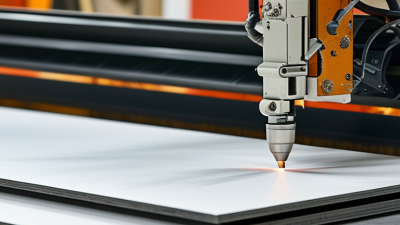
Cut quality depends on more than the laser source. Assist-gas choice, nozzle condition, focus position, and material thickness all matter. A poorly maintained cutting head can reduce accuracy, even on a capable machine. Automation and software have also become more common, helping shops manage repeated jobs and material use. Still, integration can be challenging for smaller teams. Training takes time. Supplier claims should be checked against sample cuts, service response, and available spare parts.
Tips: Ask for a test cut using your own material and thickness. Check edge quality, dimensional accuracy, and cutting speed together. Review installation needs, operator training, and maintenance intervals before comparing prices. Keep a record of settings that work. Small details matter. One practical limitation is that published specifications may not reflect everyday production conditions, so verify them in person when possible.
Criteria for Selecting Leading Chinese Manufacturers
Selecting a leading Chinese metal laser cutter manufacturer requires more than comparing prices. Grand View Research valued the global laser cutting machine market at approximately USD 6.83 billion in 2023. Its forecast also indicates strong growth through 2030. This expansion attracts capable factories, but also inexperienced exporters.
Start with engineering evidence. Request cutting samples using your actual steel, aluminum, and stainless-steel grades. Check edge roughness, burrs, kerf width, and heat distortion under a microscope. A reliable manufacturer should provide power stability records, cutting-speed tests, and maintenance intervals. Ask whether critical components are sourced consistently. Small differences matter.
Factory verification needs structure. Review ISO 9001 records, calibration certificates, electrical safety documents, and documented final inspections. The China Machine Tool Industry Association regularly reports China’s large manufacturing scale, yet scale alone cannot prove quality. Visit the assembly floor if possible. Watch technicians align optics, inspect rails, and record test results. Service response deserves equal attention. Confirm spare-part inventory, remote diagnostics, training hours, and response times in writing. A two-year warranty sounds useful, but unclear exclusions may weaken it. I have seen polished brochures hide weak process control. That is an uncomfortable lesson. Evaluate delivered machines, not promises. Also compare five-year operating costs, including lenses, nozzles, assist gas, electricity, and downtime. A cheaper quotation can become expensive after repeated stoppages.
Key Technologies and Applications Across Their Product Ranges
China Top 10 Metal Laser Cutter Manufacturers: Key Technologies and Applications Across Their Product Ranges
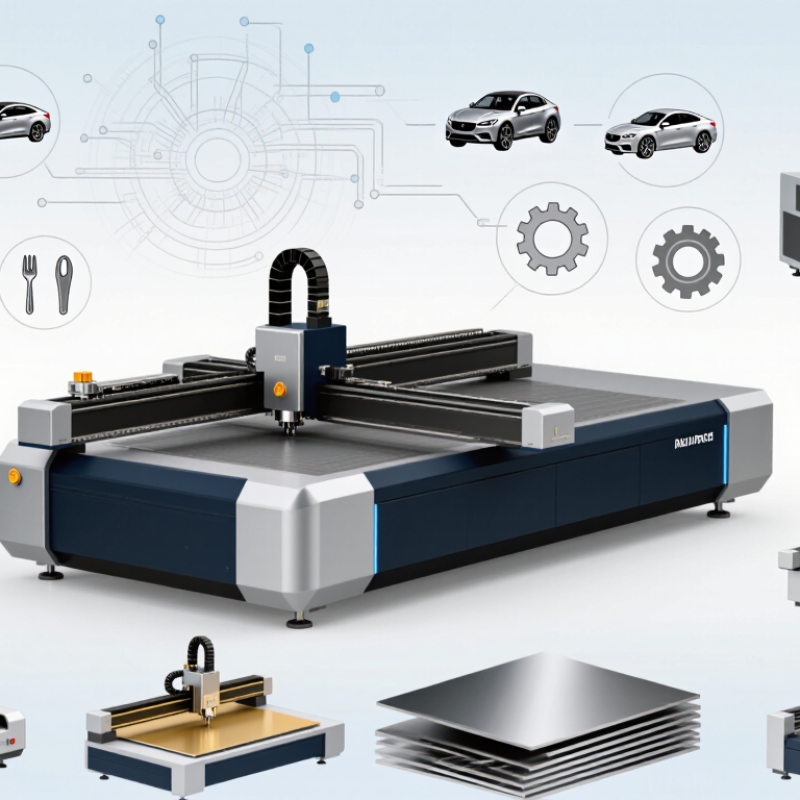
China’s leading metal laser cutter manufacturers serve factories, workshops, and contract fabricators. Their product ranges usually include fiber laser systems for stainless steel, carbon steel, aluminum, brass, and galvanized sheet. Common power levels range from compact machines for thin sheet to high-power platforms for heavy plate. However, higher power does not automatically deliver better results. Optics, beam quality, machine rigidity, and process control remain equally important.
Many current systems use auto-focusing cutting heads, capacitive height sensing, and real-time piercing control. These features help maintain a stable gap above uneven metal surfaces. Tube and profile cutters add rotary chucks, collision protection, and three-dimensional nesting software. Flatbed models often combine shuttle tables with automatic loading systems. This reduces handling time in busy production lines. Some ranges also support bevel cutting for welded structures and construction components.
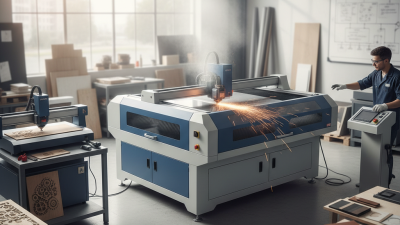
Applications differ across the range. Small machines suit signage parts, kitchen equipment, and custom brackets. Mid-range systems support electrical cabinets, elevators, furniture, and agricultural machinery. High-power models target ship components, heavy frames, and large industrial assemblies. In practical testing, edge quality can change with nozzle alignment, gas purity, and operator settings. That detail is easy to overlook. Cutting samples before purchase is wise, although one sample cannot represent every production condition. Maintenance access also matters, because a technically advanced machine becomes less useful when calibration takes too long.
How to Compare Manufacturers for Your Production Needs
Choosing among China’s top metal laser cutter manufacturers starts with your production mix, not a ranking. The World Steel Association reported 1,892.2 million tonnes of global crude steel production in 2023, underscoring the scale of metal processing demand. Yet a machine suited to thin stainless panels may struggle with thick carbon-steel plate. Compare rated power, cutting capacity, positioning accuracy, and documented speed using your own material grades and thicknesses. Ask for a live test cut, then inspect the edge for burrs and heat discoloration.
Check the complete production system. Request cycle-time data, expected consumable life, maintenance intervals, spare-parts lead times, and operator training details. Ask how performance is measured; a quoted maximum speed alone tells you little about usable output. Review the warranty terms and service response process in writing. If possible, speak with a current customer running a similar shift pattern. Small omissions matter. I would also question any proposal that promises results without naming the material, thickness, and test conditions.
Tips: Send each manufacturer the same sample files and metal coupons. Record cutting time, edge quality, setup effort, and gas use. Compare the results beside the purchase price. A modestly slower machine may fit better if its service support and uptime are more dependable. And be honest about your own workload forecast; it is easy to overbuy.