2026 Best Laser CNC Machines for Global Buyers

Choosing a laser cnc machine in 2026 means matching the equipment to real production needs, not chasing the longest feature list. A small workshop cutting plywood has different priorities from a sign maker processing acrylic sheets every day. Bed size, laser power, motion accuracy, software compatibility, and service access all shape the decision. A product photo cannot show whether a machine fits through a narrow doorway or whether replacement lenses are easy to obtain. Those details matter.

This guide compares options for global buyers, including machines suited to different materials, workloads, and budgets. It also considers practical factors such as operating costs, technical support, shipping arrangements, and locally applicable electrical requirements. Specifications can be useful, but they need context: advertised cutting capacity may vary with material type, thickness, focus, and operating conditions. Buyers should confirm claims with current documentation and, where possible, sample cuts on their own materials. Safety features deserve equal attention. Check the enclosure, emergency stop, ventilation needs, and manufacturer guidance before purchase or operation. Not every popular model will suit every shop. Even a careful comparison leaves some uncertainty, because local service quality and daily workload are hard to judge from a listing alone. That is worth remembering.

2026 Best Laser CNC Machines for Global Buyers

What Laser CNC Machines Are and How They Work

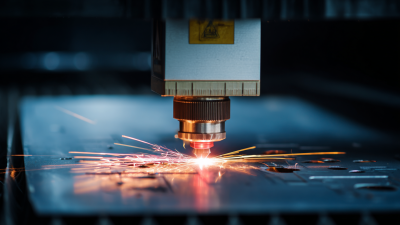
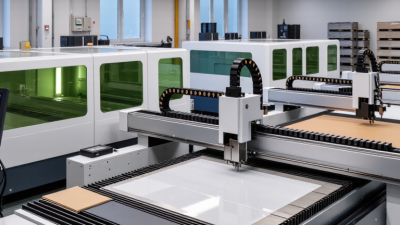
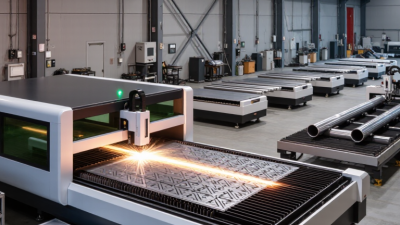
A laser CNC machine combines a computer-controlled motion system with a focused beam of light. The controller moves the cutting head along programmed paths, while mirrors or fiber optics guide the beam. Concentrated energy heats a small area, melting, burning, or vaporizing material; assist gas then clears debris from the cut. The exact result depends on material, thickness, focus, speed, and power. Small changes matter. A slightly dirty lens or incorrect focus can leave rough edges or dark marks.

Laser CNC machines are used for cutting, engraving, and marking materials such as sheet metal, wood, and acrylic. They do not all work alike: fiber lasers commonly process metals, while CO₂ systems suit many non-metal materials. MarketsandMarkets’ 2024 Laser Processing Market report estimated a market value of USD 6.6 billion in 2023 and projected USD 10.5 billion by 2028. This is a market forecast, not a measure of machine performance. Buyers should compare the machine’s working area, rated power, extraction system, and supported file formats against real production needs. A neat sample cut can still hide setup problems. Test representative materials before committing to a workflow.

Main Laser Types, Machine Formats, and Compatible Materials

Laser choice determines what a CNC machine can process well. CO2 systems commonly cut or engrave wood, paper, and many acrylics. Fiber lasers are suited to marking metals and may process some metals, depending on power and setup. Diode machines can handle lighter engraving tasks on selected woods and coated materials, but often work more slowly. Check the material list and tested thickness, not just the advertised wattage.

Machine format matters just as much. A compact desktop unit fits small parts and limited workspaces; a gantry bed handles larger sheets. Enclosed models help contain light and debris, while rotary attachments support cylindrical items. Fit matters more. Confirm the usable work area, ventilation needs, and focus adjustment before buying. Material labels can be misleading: acrylic colors behave differently, and finishes change engraving results. Test a sample. Keep a simple record of settings, then adjust speed and power gradually. Avoid materials with unknown coatings, and follow the machine’s safety instructions. There is no universal setup; a practical choice may still involve compromises between bed size, precision, and budget.

2026 Best Laser CNC Machines for Global Buyers

Main laser types and their typical operating wavelengths

Typical wavelengths are about 10,600 nm for CO₂, 1,064 nm for fiber, 450 nm for blue diode, and 355 nm for UV lasers. CO₂ systems are commonly used for wood, acrylic, and textiles; fiber systems are widely used for metals; diode systems suit many light-duty wood and leather projects; and UV systems are used for fine marking on selected plastics and glass. Actual compatibility depends on the material, machine configuration, and process settings. Choose a gantry or flatbed format for larger work areas, or a galvo format for fast, localized marking.

Key Performance, Safety, and Compliance Factors

For global buyers, compare usable cutting speed, repeatability, and uptime—not headline wattage alone. Ask for test cuts on your own material, with measured kerf width and edge quality. A 3 mm plywood sample may look clean, while a larger sheet exposes uneven motion or weak extraction. Check whether the supplier reports positioning accuracy and repeatability separately. They are not interchangeable. A polished datasheet can still leave important questions unanswered.

Safety and compliance deserve equal scrutiny. IEC 60825-1 sets laser product classification and safety requirements; ISO 12100 provides a framework for machinery risk assessment. Confirm that the enclosure, interlocks, emergency stop, and fume extraction match the machine’s configuration. Also verify documentation and conformity requirements in each destination market. BLS recorded 2.6 million nonfatal workplace injury and illness cases in U.S. private industry during 2023; this figure is not laser-specific, but it underscores why safeguards matter. Ask for maintenance intervals, filter specifications, and evidence that safety controls were tested. Small details count. A blocked exhaust duct or bypassed door switch can undermine an otherwise capable machine. I would not treat a certificate as a substitute for checking the installed system.

2026 Best Laser CNC Machines for Global Buyers - Key Performance, Safety, and Compliance Factors

How to use this comparison: The figures below are indicative technology and application ranges, not guaranteed machine specifications. Actual cutting speed, thickness, accuracy, and suitability depend on the machine design, material grade, assist gas, optics, process settings, and local requirements. Request application-specific test cuts and documented specifications before purchase.

Machine Type Typical Performance Profile Common Material Suitability Safety Factors to Check Compliance and Buyer Verification
CO₂ laser CNC
Common wavelength: approximately 10.6 μm
Commonly offered from tens of watts for engraving and light cutting to several hundred watts for larger-format production. Performance depends strongly on tube type, optics, cooling, and material. Often used for wood, acrylic, paper, textiles, and some plastics. It is generally not the first choice for direct cutting of bare reflective metals. Confirm enclosure design, door interlocks, beam containment, fire prevention, and effective fume extraction. Never process unknown plastics; PVC can release highly hazardous chlorine-containing gases. Ask for the laser classification and test documentation for the complete machine, not just the laser source. Verify electrical, guarding, extraction, and installation requirements for the destination market.
Fiber laser CNC
Common wavelength: approximately 1.06 μm
Industrial sheet-metal systems commonly use kilowatt-level sources. Cutting capability and speed vary substantially with power, material, thickness, assist gas, nozzle, and process settings. Widely used for steel and stainless steel; suitably configured systems can process aluminum, copper, and other metals. Reflective materials require appropriate machine and process design. Near-infrared radiation is invisible and can cause severe eye injury. Check full beam enclosure, interlocks, viewing-window suitability, access controls, and fume collection for the intended metals and coatings. Request verified sample cuts across the intended material and thickness range. Check machine safety documentation, electrical ratings, local exhaust requirements, and applicable laser-product and machinery rules.
Diode laser CNC
Common visible blue wavelengths: approximately 445–455 nm
Typically suited to engraving and light-duty cutting. Published optical output and electrical input are different measures; compare the stated optical laser output and demonstrated process results. Often used for engraving or limited cutting of wood, paper, and selected materials. Capability on acrylic and other plastics depends on wavelength and material; verify with a sample test. Visible beams can still cause serious eye injury. Check whether the machine is fully enclosed, interlocked, and equipped with suitable filtering, extraction, and fire-safety provisions. Confirm whether the safety classification applies to the complete assembled machine. Check documentation for the laser module, enclosure, electrical system, and any local requirements for workplace use.
Enclosed versus open-frame design Enclosures can improve beam containment, access control, and fume management. An open frame may require a controlled laser area and additional protective measures. Relevant to all laser types. Choose the enclosure and extraction arrangement based on materials, duty cycle, and installation environment. For a Class 1 machine, verify the classification applies to the complete machine under its intended operating conditions. Open or accessible beam systems may be Class 4 and require restricted access and a documented safety program. Request the classification report, interlock details, emergency-stop information, user instructions, and risk assessment. A laser-source certificate alone does not establish the safety of the complete machine.
Motion system and process control Compare working area, axis travel, rated speed, acceleration, repeatability, and stated positioning accuracy separately. These values are not interchangeable and can change with load and operating conditions. Match the work envelope and motion capability to the actual sheet, part size, nesting plan, and production volume. Check guarding around moving axes, emergency-stop access, safe maintenance procedures, and controls that prevent unintended restart after an interruption. Ask for the measurement method and test conditions behind accuracy claims. Confirm supported file formats, controller functions, software licensing, updates, and operator training.
Fume extraction and filtration Extraction capacity must be sized for the enclosure, process, material, and operating duty; a fan rating alone does not demonstrate effective capture at the cutting point. Important for wood, plastics, coated metals, composites, and other materials that generate smoke, dust, or process fumes. Verify capture at the source, duct compatibility, filter type, maintenance access, and safe disposal procedures. Use material-specific controls and do not rely on odor as an exposure indicator. Check local workplace exposure and ventilation rules, installation requirements, filter replacement costs, and whether the proposed filtration system is suitable for the planned materials.
Global compliance and documentation Compliance depends on the complete machine, its configuration, intended use, and the country where it is placed on the market or operated. Applies to every machine type and production application. Review the operating manual, warning labels, risk assessment, electrical drawings, maintenance instructions, and safety-device test procedures in a language operators understand. Check applicable requirements in the destination market. Relevant frameworks may include IEC 60825-1 for laser product safety, ISO 11553-1 for laser processing machine safety, IEC 60204-1 for machinery electrical equipment, and locally applicable machinery, electrical, and EMC rules. Confirm current editions and legal applicability with a qualified compliance professional.
Purchasing and acceptance test Evaluate total delivered cost, consumables, expected uptime, service response, spare-part availability, commissioning, and training—not only source power or advertised speed. Run tests using the buyer’s actual material grade, thickness, finish, geometry, and production workflow. Include a documented safety inspection before production. Confirm that extraction, interlocks, guards, emergency stops, and operating procedures work as specified. Make acceptance criteria measurable: sample quality, cycle time, repeatability, required documentation, training, warranty scope, and service arrangements. Confirm shipping, installation, and local support responsibilities in writing.

How to Compare Leading Laser CNC Machines in 2026

2026 Best Laser CNC Machines for Global Buyers

How to Compare Leading Laser CNC Machines in 2026

Comparing laser CNC machines takes more than checking advertised power. Match the working area to your usual sheet size, then check whether the machine can handle your materials and desired cut thickness. Review the motion system, focusing, extraction, and enclosure as a complete setup. Ask for sample cuts on material similar to yours. Fine lettering on a clean demo board may look impressive, but it does not show how the machine handles a long production run. Small details matter.

Tips: Request a timed sample job. Check edge charring, cut consistency, and engraving depth under good lighting. Ask what routine cleaning and lens replacement involve.

Compare software compatibility, setup support, and access to replacement parts in your region. Confirm the stated electrical requirements and ventilation needs before ordering; installation costs can change the real price. If possible, inspect a machine running rather than relying on photos. Listen for unusual vibration and watch whether the head moves smoothly. A higher-power source is not automatically the better choice: it may be unnecessary for thin materials, while poor extraction can still affect results. I would keep a written checklist, though it is easy to overlook one item when comparing several machines.

Choosing a Machine for Your Workload, Budget, and Region

Start with the work you actually expect to run, not the machine’s largest advertised capacity. List your common materials, sheet sizes, and weekly production hours. A hobby shop cutting thin plywood needs different power and bed space than a studio processing larger panels every day. Measure your doorway, workbench, and available floor space too. Small details matter. A machine that fits the job but cannot pass through the workshop entrance is still the wrong choice.

Compare the complete workload, including setup and finishing. Check the usable bed area, cutting speed, repeatability, and compatibility with your intended materials. More laser power is not automatically better; delicate engraving may need finer control. Ask suppliers for sample settings and test results on materials similar to yours. Treat estimates cautiously. Material thickness, focus, and ventilation can change results, and published speeds may not match routine production. I would leave room in the budget for extraction, cooling, replacement parts, and training. These costs are easy to underestimate.

Your region affects ownership as much as your workload does. Confirm the machine’s voltage and frequency, shipping arrangements, local service options, and access to consumables. Check what support is available in your time zone, and whether technicians can help remotely. Climate matters, too: dust, heat, or humidity may affect storage and maintenance. Before ordering, ask for a written list of included accessories and expected setup requirements. I still find that comparing total operating costs is less tidy than comparing purchase prices, but it gives a more useful picture.